
March homesteading to-do list
March on the homestead is that in-between season where winter hasn’t fully let go, but spring is knocking loud enough that you can’t ignore it anymore. This March homesteading to-do list, paired with practical Homesteading tips, is meant to help you focus on what actually matters right now without feeling behind or overwhelmed.
I’ve learned over the years that March isn’t about doing everything at once, it’s about small prep, checking what survived winter, and getting ready for the busy months ahead. Whether you’re caring for animals, planning a garden, or homesteading right where you are, this list will help you move forward with confidence.
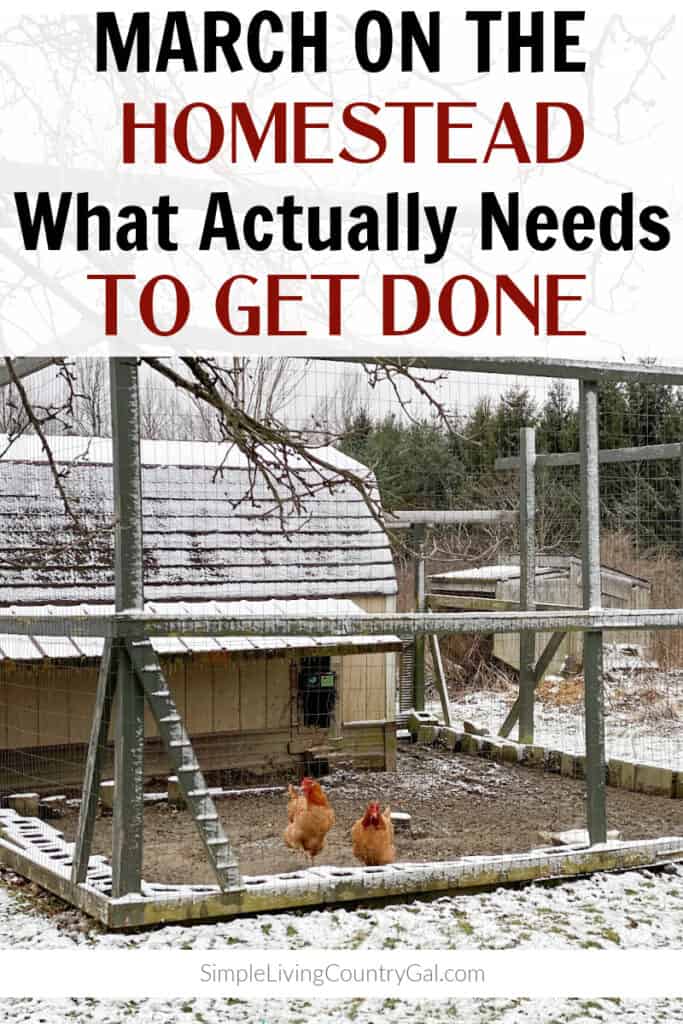
March tends to be busy no matter where you live. Babies are being born, chicks are hatching or arriving in boxes at the post office, and seeds are either growing indoors or just getting started. Around here, it’s a season of long lists, longer days, and yes… a whole lot of mud.
Funny thing is, I don’t really hate the mud. Mud means the snow is finally melting. It means spring is close. And it means we’re just about done wearing fourteen layers of socks just to step outside.
I’ve always been an outdoor girl. I love being in the sunshine, breathing in fresh air that actually smells like the weather. Even as I get older, outside is still my happy place. The work isn’t always my favorite, but being out there, moving at a slower, more natural pace, reminds me why this life still feels so right.
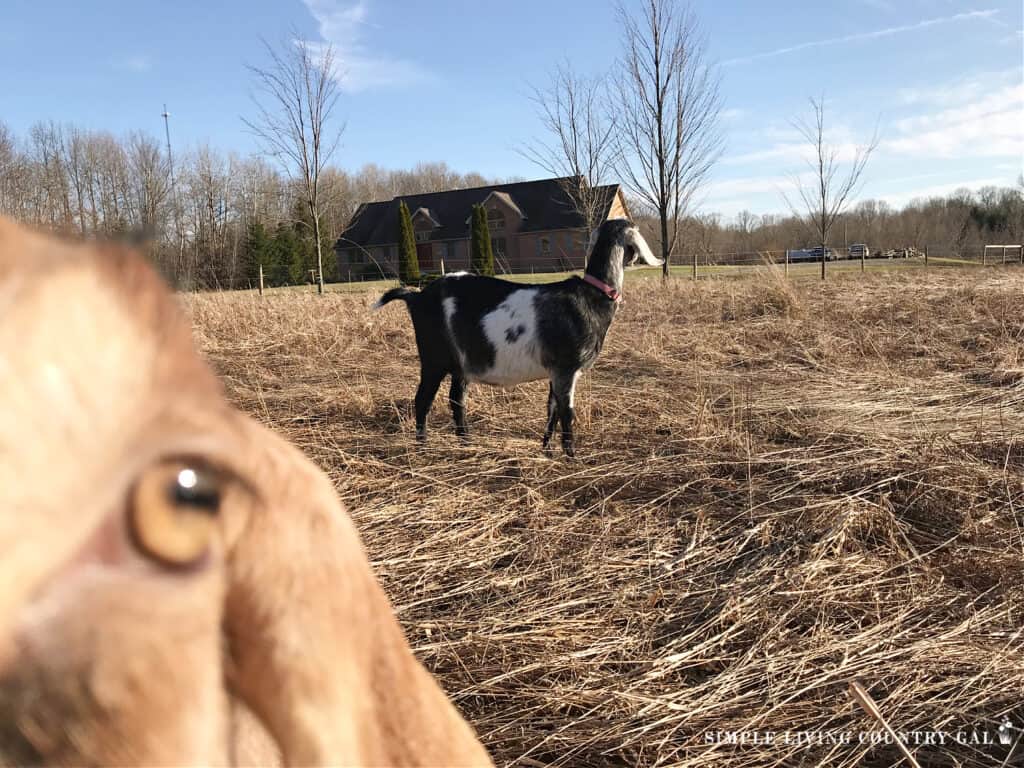
March Homesteading To-Do List
Having a simple, seasonal list helps keep the most important tasks front and center. Instead of trying to do everything at once, put your focus on the things that will give you an easier, smoother spring.
Grab the FREE March Homesteading Checklist below and use it as a guide to choose what fits your location, your setup, and your energy.
General Livestock Care
#1. Walk through shelters with fresh eyes, because melting snow and early rains can create damp, muddy spots faster than you expect, especially around bedding and drafts.
#2. Freshen bedding as needed. Mud has a way of traveling everywhere and dry bedding makes a big difference in keeping animals comfortable.
#3. Pay attention to footing in high-traffic areas. Things can get slick quickly and a little straw, wood chips, or even old pallets can make chores safer.
#4. Keep doing hands-on checks. Winter coats can still hide a lot and feeling along ribs and backs tells you more than a quick look ever will.
Nutrition & Health
#5. Adjust feed as the weather goes back and forth. Cold nights and warmer days can take more out of animals, especially those that are pregnant or nursing.
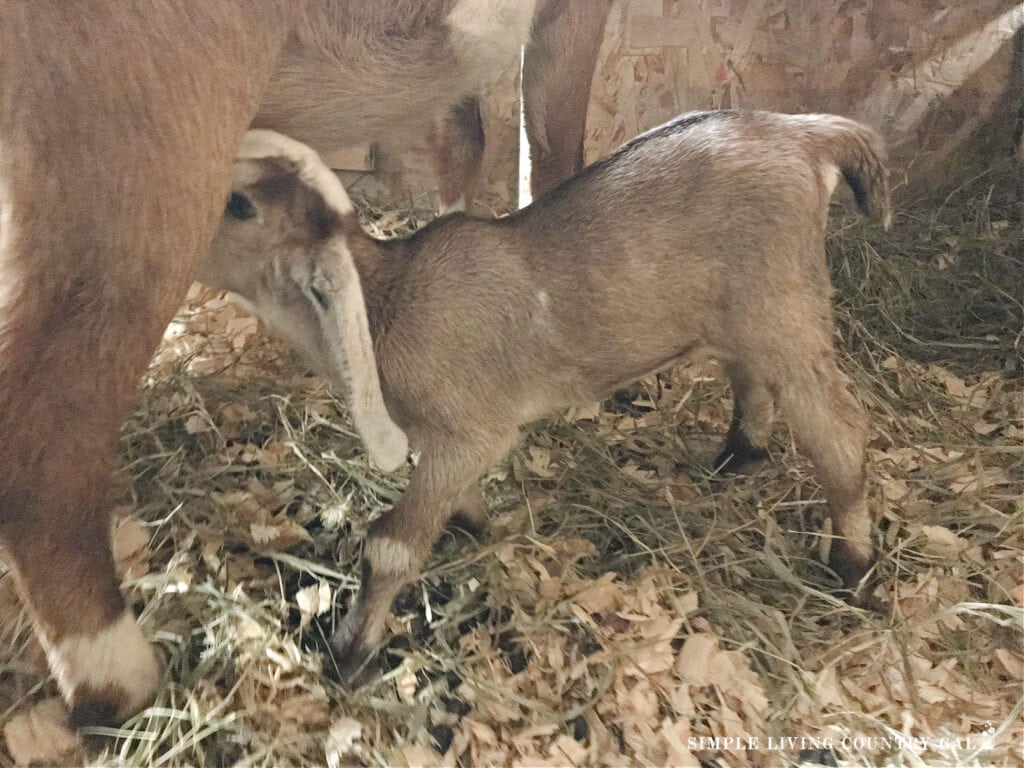
#6. Make sure minerals and salt are always available. Seasonal stress can increase mineral needs, particularly during late pregnancy or early nursing.
#7. Stay on top of water daily. Frozen buckets may be fewer now but mud and debris show up fast and clean, fresh water still matters every day.
Babies & Early Spring Transitions
#8. Prep birthing pens ahead of time. Having a quiet, ready space for moms and new babies makes kidding days less stressful for everyone.
#9. Double-check birthing supplies so gloves, towels, iodine, and other basics are easy to grab and not buried behind winter gear.
#10. Watch behavior more than calendars. Animals usually show you when something is changing and March babies don’t always follow due dates.
#11. Keep things as calm as possible by avoiding major changes or herd moves unless they’re truly necessary. A steady routine helps everyone stay relaxed.
March livestock care isn’t about doing more. It’s about staying steady for a smoother spring.
Chicken Coop
March is a tricky one in the coop. Days get longer, so hopefully egg production gets more consistent, dampness can cause issues with the air in the coop, and mud becomes a daily visitor whether you invited it or not. The focus this month is keeping things dry and clean for you and your flock.
Coop Care & Maintenance
#12. Walk through the coop and run to check for moisture, drafts, or damage caused by winter weather. Fix what you can now or make a note to deal with later.
#13. Add fresh bedding as needed Damp floors and muddy feet can quickly lead to odor and health issues.
#14. Keep ventilation clear so moisture can escape without creating cold drafts at roost level.
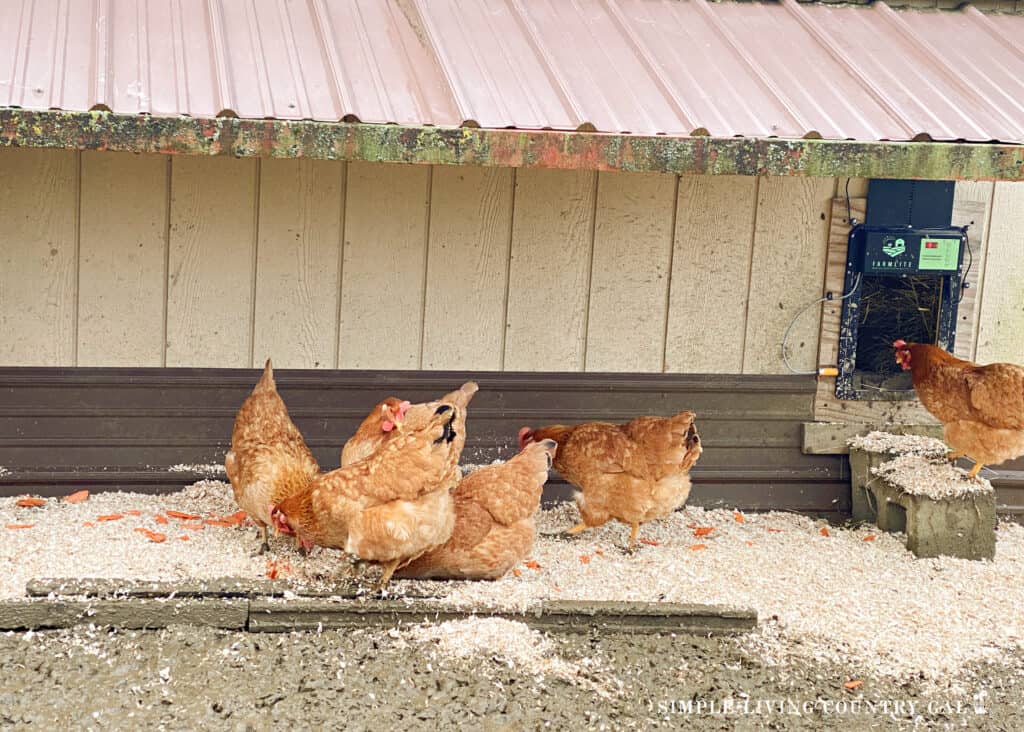
#15. Watch for muddy areas near doors, high-traffic spots, and out in the run. Add straw, sawdust, or other footing to give a dry clean area to walk on.
Nesting Boxes & Eggs
#16. Refresh nesting box bedding regularly to keep eggs clean and prevent cracking or breakage. Toss old bedding into the compost area.
#17. Collect eggs often, especially during cold snaps, since freezing temperatures can still surprise you in March.
#18. Don’t panic if laying isn’t consistent yet, as hens respond to daylight more than the calendar.
Water, Feed & Flock Health
#19. Check waterers daily to ensure everything is clean and fresh. You’d be amazed at how mud can find its way into all areas.
#20. Clean feed areas regularly to prevent moisture, mold, and unwanted pests from moving in.
#21. Handle birds when possible to check body condition, since winter fluff can hide weight loss or other concerns.
Pop-Up Chick Brooder with Heating Plate, Large Foldable Baby Chicken Brooder Kit with Feeder, Waterer, Perch, Portable Chicken Brooding Box for Chicks, Ducklings, Quail, Indoor Use Manna Pro Chick Starter Feed, Non-Medicated Chicken Feed with Vitamins & Minerals, Complete Nutrition for Baby Chicks, 5 lb Bag16 * 16inch Chick Brooder Heater Plate with Temperature Adjustable and Display,Adjustable Height & Angle Brooder Box for Baby Chicks Quail Duckling Chicken Heat Warmer Lamp Poultry Habitat Supplies


Chick Prep & Early Spring Planning
#22. Inspect brooders, heat plates, feeders, and waterers now if you’re hatching or have ordered new baby chicks.
#23. Decide where chicks will be housed and how they’ll transition later so you’re not making last-minute decisions.
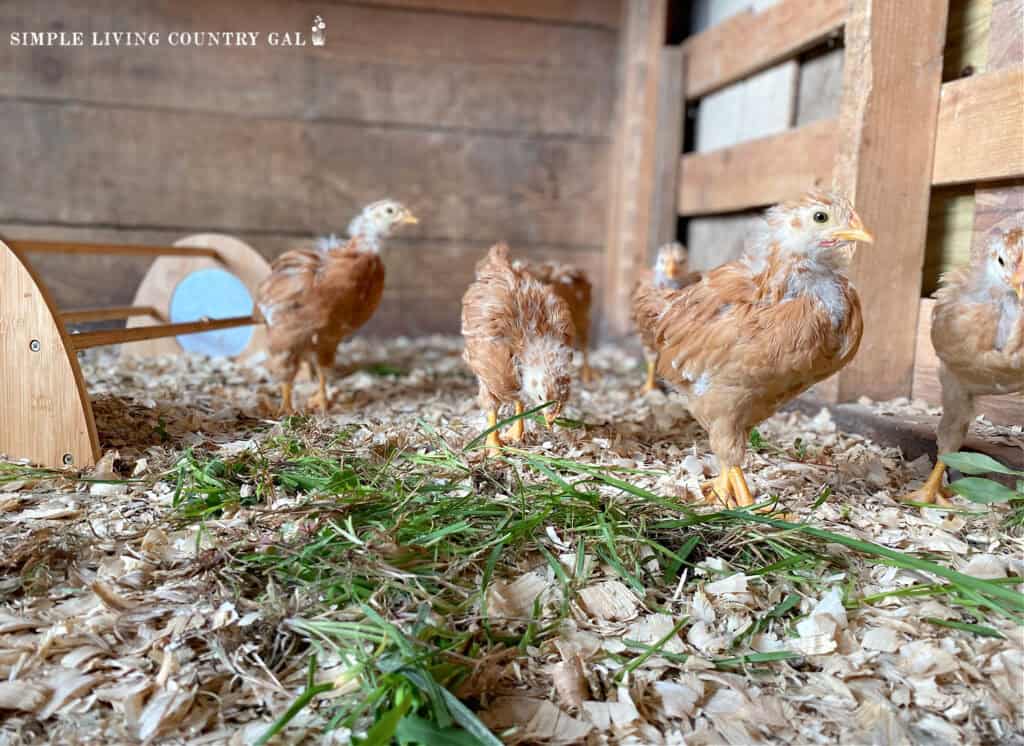
#24. Avoid major changes to the flock unless necessary, as steady routines help birds adjust as the season shifts.
A little extra attention to the coop in March makes the rest of spring easier, calmer, and far less messy.
Garden
March gardening looks very different depending on where you live, but for many of us in northern areas, this month is all about indoor work, planning, and getting ready for the rush that’s coming. Not much, if anything, may be going into the ground yet, but there’s still plenty that sets the tone for the season ahead.
Planning & Prep
#25. Take time to review last year’s garden notes so you can repeat what worked and let go of what didn’t.
#26. Sketch out a simple garden plan, keeping in mind how much you realistically want to plant, tend, and maintain this year.
#27. If you can work your ground, get your first planting of onions in the ground staggering more plantings as needed.
Seeds & Supplies
#28. Check seed inventory and order what you still need before popular varieties sell out.
#29. Test older seeds for germination so you don’t waste time and space later.
#30. Inventory garden supplies like trays, pots, soil blocks, and quality seed-starting mix so you’re ready when planting time hits.
Starting Seeds Indoors
#31. Start any additional seeds you’ll be growing this year, such as peppers, herbs, and tomatoes, depending on your growing zone.
#32. Set up grow lights or choose bright windows so seedlings grow strong instead of leggy.
#33. Keep things simple and manageable, remembering that healthy seedlings matter more than fancy setups.
Grow Light 6500K Full Spectrum Plant Grow Lights 84 LED Plant Light with Clip Grow Lamp for Indoor Plants Growing Lamps(1PCS)yadoker Plant Grow Light, LED Growing Light Full Spectrum for Indoor Plants,Height Adjustable, Automatic Timer, 5V Low Safe Voltage,Idea for Large Plant LightBarrina Plant Grow Lights, 4FT 5000K Full Spectrum Daylight White, 252W(6 x 42W, 1400W Equivalent), T8 LED Grow Light Strips, Growing Lamp Fixture, Plant Lights for Indoor Plants, Greenhouse, 6-Pack


Garden Beds, Tools & Outdoor Prep
#34. Clean, sharpen, and repair garden tools while you still have indoor time to work comfortably.
#35. Walk garden beds as weather allows to check for damage from snow, ice, or animals.
#36. Make note of any repairs, new beds, or layout changes you want to tackle once the ground thaws.
March garden work may not look exciting yet, but it’s the quiet preparation that makes the growing season feel less rushed and a lot more enjoyable.
Barn and Outbuildings
March is a good month to really inspect outdoor areas for winter damage. Snow, ice, and wind have a way of showing weak spots, and catching them now makes spring chores a whole lot easier.
This isn’t about big projects yet. It’s about walking through, taking notes, and fixing the small things before life speeds up.

Structure & Safety
#37. Walk through and around barns and outbuildings to check for leaks, sagging areas, or damage caused by snow and ice.
#38. Check doors, hinges, and latches to be sure everything opens and closes easily after a long winter.
#39. Look for drafts that could affect animals or stored supplies and seal them where needed without blocking ventilation.
Storage & Organization
#40. Take stock of feed, bedding, and supplies so you know what needs to be restocked before spring gets busy.
#41. Make sure feed is stored securely to keep moisture and rodents out as temperatures warm up. Take a moment to smell feed containers and trust your nose if something doesn’t smell fresh.
#42. Clear walkways inside barns and sheds to make daily chores safer during muddy conditions.
Tools & Equipment
#43. Use indoor time to clean, repair, or sharpen tools so they’re ready when outdoor work picks up.
#44. Check extension cords, heaters, and electrical outlets for wear or damage after winter use.
#45. Make sure equipment you rely on regularly is easy to access and working properly before spring projects begin.
A little attention to barns and outbuildings in March helps everything run smoother when the days get longer and the workload grows.
Planning
March is a great month to pause and think ahead before spring gets busy. You’re close enough to the growing season to be realistic, but not so far in that everything feels rushed. A little planning now saves time, money, and energy later.
Review & Reflect
#46. Look back at last year’s notes, calendars, or memories and take note of what worked well and what felt harder than it needed to be.
#47. Decide which unfinished projects still matter this year and which ones you’re okay letting go of for good.
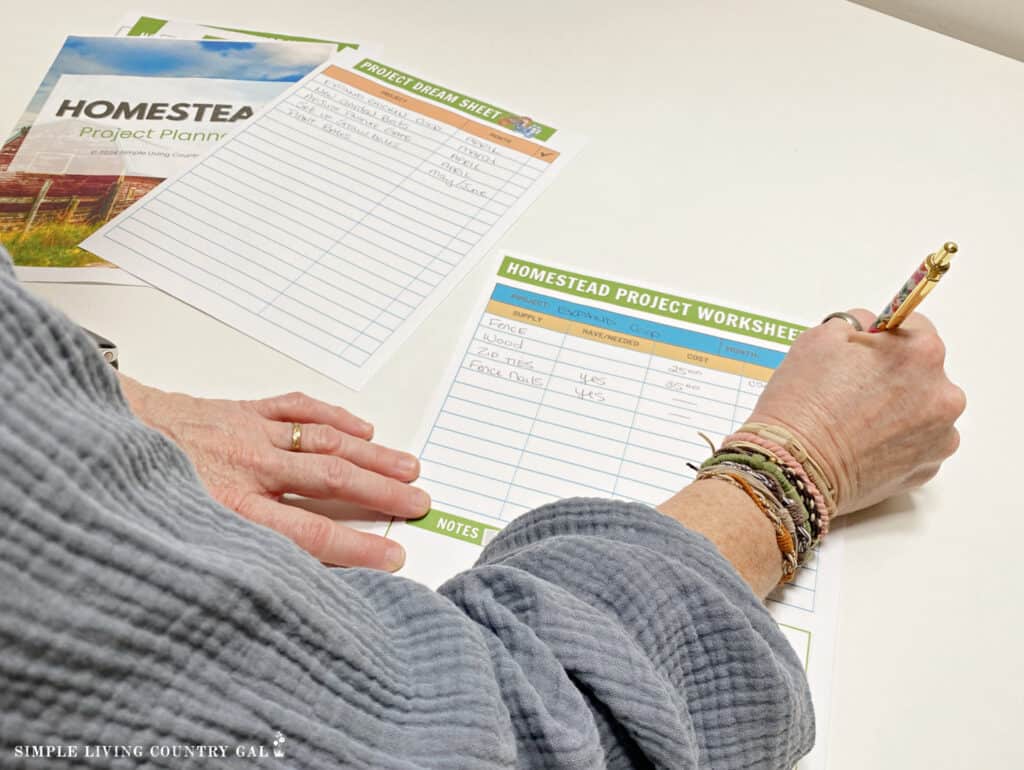
Garden, Livestock & Seasonal Planning
#48. Finalize garden plans with a realistic mindset, focusing on what you actually want to grow, care for, and manage this season.
#49. Review livestock timelines for the coming months, especially if you have babies arriving or animals transitioning to pasture soon.
#50. Decide now if you’re adding to or reducing your flock or herd this year so housing and feed plans aren’t last-minute decisions.
Property & Project Planning
#51. Walk your property as weather allows and make note of repairs, fence issues, or cleanup that will need attention once the ground firms up.
#52. Price out supplies and materials ahead of time so spring projects don’t turn into rushed or stressful purchases.
Scheduling & Budgeting
#53. Spread projects out over the next few months so everything doesn’t pile up at once.
#54. Make a simple list of expected spring expenses like feed, seeds, fencing, or building supplies to help avoid surprises.
March planning isn’t about filling every minute of your calendar. It’s about choosing what matters most, pacing yourself, and setting up a season that feels manageable instead of overwhelming.
Wrapping Up March on the Homestead
March can feel full without always looking productive, and that’s okay. A lot of what you’re doing this month is quiet prep, paying attention, and getting things ready for the season ahead.
This March homesteading to-do list isn’t meant to be tackled all at once. Use it as a guide, not a checklist you have to finish. Pick a few tasks that make sense for where you live, the animals and garden you care for, and the energy you have right now.
If having things written down helps you stay focused, be sure to grab the FREE March Homesteading Checklist below.
Spring will pick up soon enough. For now, steady steps, simple care, and paying attention to what’s right in front of you is more than enough.
