
February Homesteading To-Do List
If you’re like me, February on the homestead feels quiet on the outside but busy in all the best ways behind the scenes. This February Homesteading to-do-list, paired with practical Homesteading Tips, is here to help you focus on what actually matters this month, without feeling rushed or behind.
I remember thinking early on that if nothing was growing yet, nothing needed doing. Turns out, February is when a lot of the real homesteading work happens. Planning, prepping, checking supplies, and getting ready for the season ahead all happen now, especially for those of us homesteading in northern states.
Whether you’re raising animals, growing food, or simply working toward a slower, more intentional way of living, this list will help you make the most of February, right where you are.
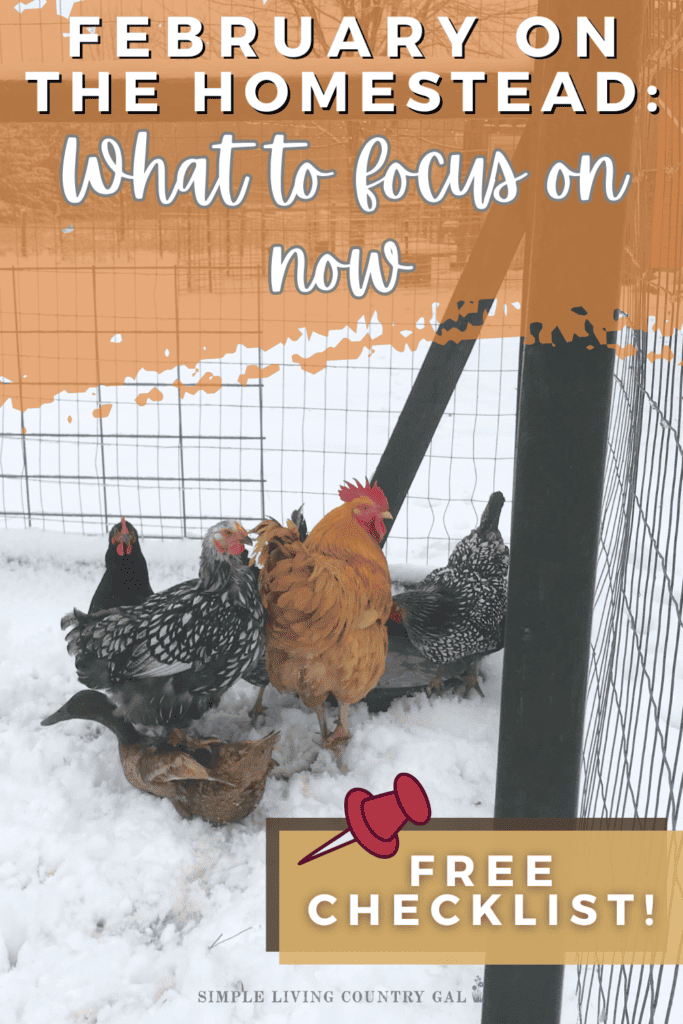
Life on the Homestead in February
February is one of those months I have a bit of a love-hate relationship with. It’s cold, sometimes brutally cold. Even today, we’re sitting in single digits with a wind chill that makes stepping outside feel like a big decision.
And no, this is not my favorite kind of weather.
But homesteading asks something different of us. When you choose this kind of life, you’re choosing to care for things every single day, your home, your animals, the land, and the people you love. From the tiniest chicks to the biggest livestock, they all rely on us, no matter what the weather looks like outside the window.
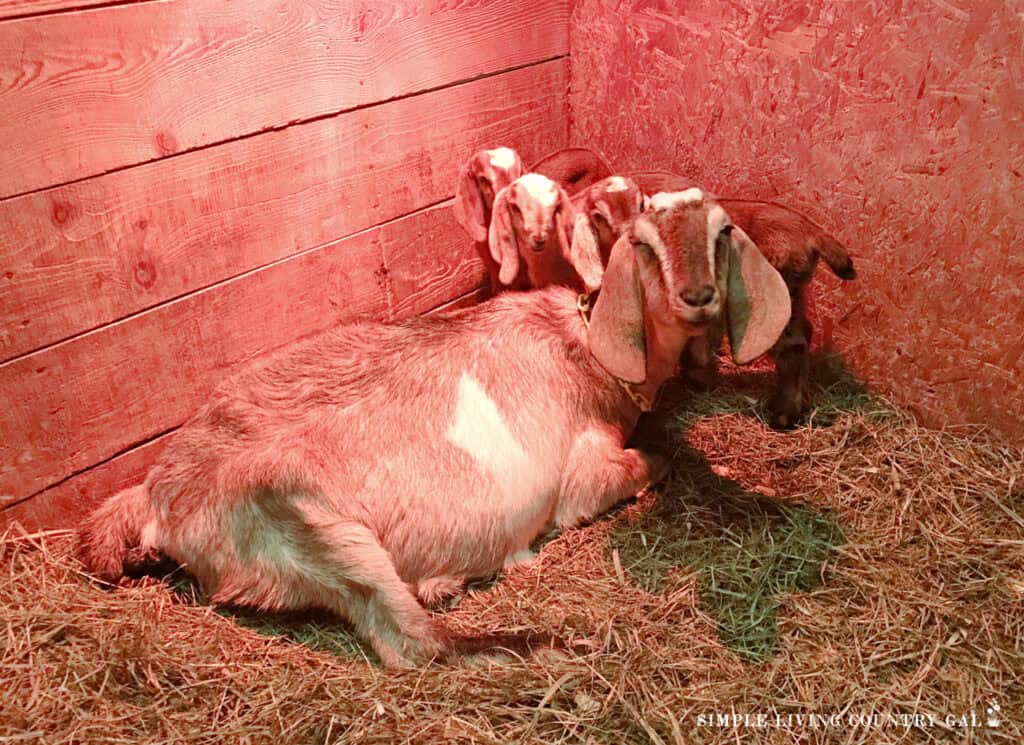
That’s also what makes February special. This is the beginning of new life on the homestead. Baby chicks are arriving soon, and goat kids are already making their appearance. It’s a busy season, full of responsibility and quiet excitement.
When so much is happening at once, having a simple list can be a real blessing. It helps you stay focused, keeps important tasks from slipping through the cracks, and gives you a steady guide to follow, even on the coldest days, when the work still needs doing.
Be sure to grab the FREE Homesteading Checklist Below!
February Homesteading To-Do List
February may look quiet from the outside, but on a homestead, it’s a month that quietly sets the tone for everything that comes next. This is the time to check, restock, prepare, and plan, without trying to rush spring before it’s ready to show up. A solid February to-do list helps you stay on track, especially when winter is still very much in charge.
Let’s start where most homesteaders spend their time this month: the animals.
Livestock
February is all about care, watching over, and prepping for babies. Winter isn’t over yet, and kidding, lambing, and calving season is either underway or right around the corner.
General Livestock Care
#1. Check shelters for drafts, moisture, and ventilation. Fresh air matters, but cold air blowing directly on animals does not.
#2. Keep bedding clean and dry. If you’re using deep litter, continue adding fresh layers as needed.
#3. Monitor water sources closely. Freezing temps mean frozen buckets are still a daily battle.
#4. Do hands-on checks. Thick winter coats can hide weight loss or health issues, so feel, not just look.
Nutrition & Health
#5. Increase feed as needed, especially for pregnant or nursing animals. Winter burns calories fast.
#6. Make sure minerals and salt are always available.
#7. If you haven’t done so yet, review your emergency supplies, electrolytes, iodine, gloves, towels, and basic medications should all be on hand.
Himalayan Secrets Compressed Pink Salt Lick for Livestock and Wildlife Animals, Pure & Natural Feed Salt Block, Minerals & Trace Elements, No Additives, 5.5LB (2.5KG) Sea-90 Premium Mineral Salt, 5 LB BagREDMOND Goat Mineral Supplement Mix, Unrefined Salt (5 LB)Chicken Electrolyte, Vitamin & Probiotic Supplement – Support Hydration Digestion Immunity Egg Production – Poultry Supplement for Chickens, Ducks, and All Ages of Birds – All-Season Use,10oz PowderDr. Naylor FA Dressing Blu-Kote Aerosol (4.5 oz.) -Fast Drying Antiseptic Wound Dre 3 PackWILLBOND 9 Pcs 8 Inch Farrier Tools Kit Horse Goat Hoof Trimmer Metal Shears Farriers Hoof Nipper Cutter Handle Knife Gloves Brush Goat Supplies with Storage Bag



Kidding, Lambing, or Calving Prep (January–April Window)
#8. Clean and prep birthing areas or pens. A warm, dry, quiet space makes a big difference.
#9. Assemble or double-check your birthing kit. February babies don’t wait for last-minute shopping trips.
#10. Watch pregnant animals closely for signs that labor is approaching.
#11. Consider setting up a camera or monitor if you haven’t already, sleep is precious this time of year.
Chicken Coop
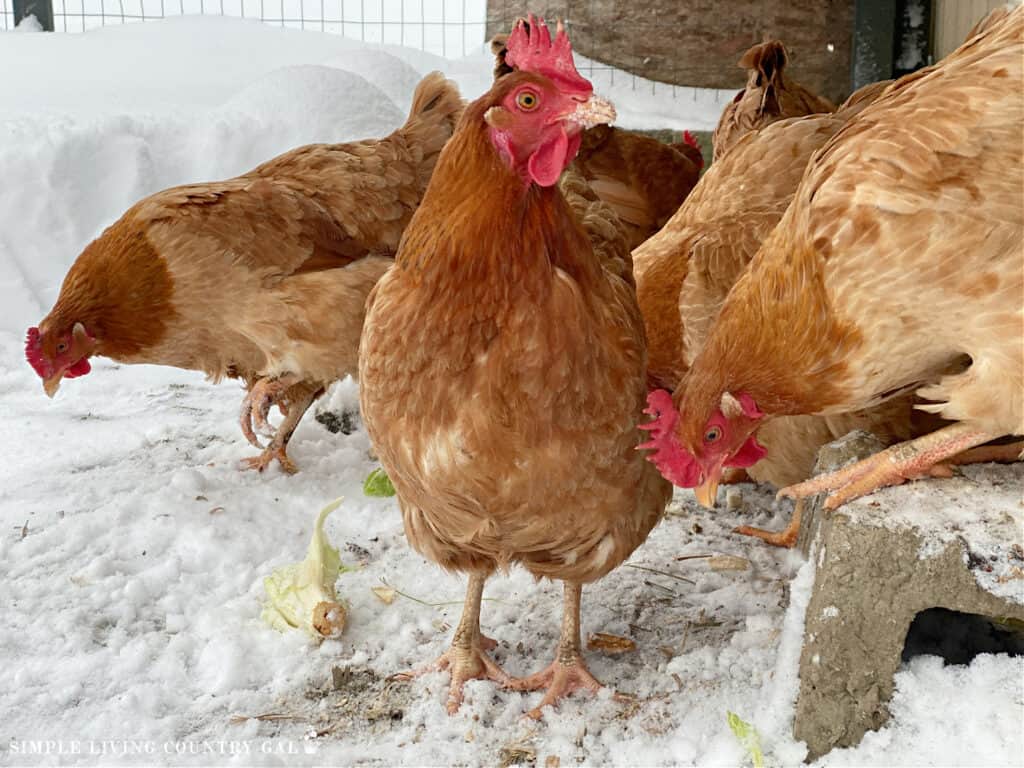
February is one of the most important months to stay consistent with coop care. Cold, moisture, and limited daylight can stress a flock quickly, so the goal this month is to keep things dry, draft-free, and predictable.
#12. Coop Check & Maintenance
- Walk the coop and run looking for gaps, loose boards, or signs of rodents. Small openings become big problems in winter.
- Add fresh bedding as needed to keep the floor dry and odors down. Dry bedding also helps with warmth.
- Check ventilation points to be sure moisture can escape without creating drafts at roost level.
#13. Nesting Boxes & Eggs
- Refresh nesting box bedding regularly to prevent broken or frozen eggs.
- Collect eggs often during extreme cold to keep them from freezing or cracking.
- If egg production has slowed, remember this is normal, hens follow daylight more than calendars.
#14. Monitor waterers daily. Frozen water is still one of the biggest winter risks. Clean feed areas to prevent moisture buildup and mold. Keep feed stored securely to discourage rodents.
#15. Winter Comfort & Health
- Check birds individually when possible. Handling them occasionally helps you catch weight loss or feather issues hidden by winter fluff.
- Watch for signs of frostbite on combs and wattles during extreme cold snaps.
- Avoid unnecessary changes, routine keeps stress low this time of year.
#16. If you plan to add chicks in March or April, February is the time to finalize your setup. Inspect brooders, heat plates, feeders, and waterers so you’re not scrambling later.
POMINEL Chick Feeder and Waterer Kit, Plastic Baby Chicken Feeder and Waterer Set with Chick PerchChick Brooder Plate, 12Chick Brooder Box, Upgrade Double Door Brooder Box for Chick Starter Kit, Pop-Up Baby Chicken Pen Supplies Brooding Up to 15 Baby Chicks, Duck and Quail


A calm, well-maintained coop in February sets the stage for healthier birds and a smoother transition into spring.
Garden
In northern states, February isn’t about digging in the dirt just yet, it’s about setting yourself up for success before the ground thaws. This is the month where planning saves time, money, and frustration later on.
#17. Review what worked (and what didn’t) in last year’s garden. A few notes in your garden planner now can save you a full season of trial and error. Sketch out your garden layout if you haven’t already. Think crop rotation, spacing, and how much you actually want to manage this year.
#18. Order seeds if you haven’t done so yet. Popular varieties sell out quickly, and February is often the sweet spot. Check seed inventory and test older seeds for germination before planting time. Stock up on seed-starting supplies like trays, soil blocks, pots, and quality seed-starting mix.
Seed Starter Tray with Timed Grow Light, 2 Pack 80 Cells Plant Starter Tray Seedling Starter Kit with Humidity Domes Base Indoor Mini Greenhouse Plant Germination Trays for Seeds Growing StartingSOLIGT 60 Cell Seed Starter Kit with Grow Light and Heat Mat, Seed Starter Tray with Higher 4.3” Humidity Dome, 4/8/12/18H Timer, Flexible Light for Indoor Seed Starting & SeedlingBonviee 5-Pack Seed Starter Trays, Seed Starter Kit with Adjustable Humidity Dome and Base Indoor Greenhouse Mini Propagator for Seeds Growing Starting (12 Cells Per Tray, Green)

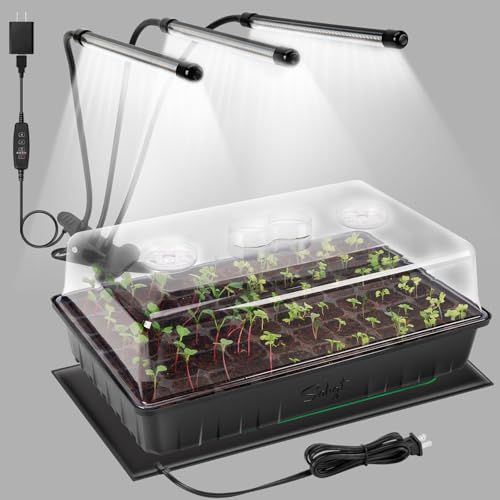
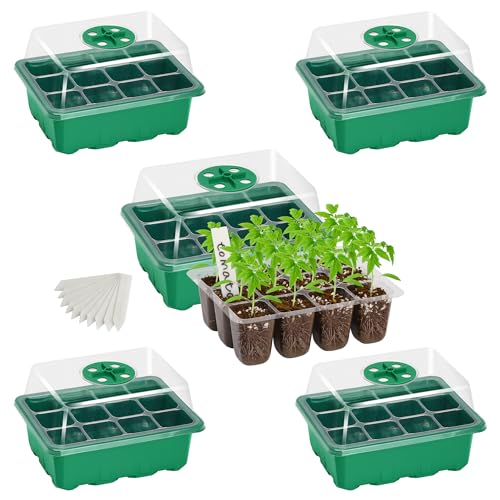
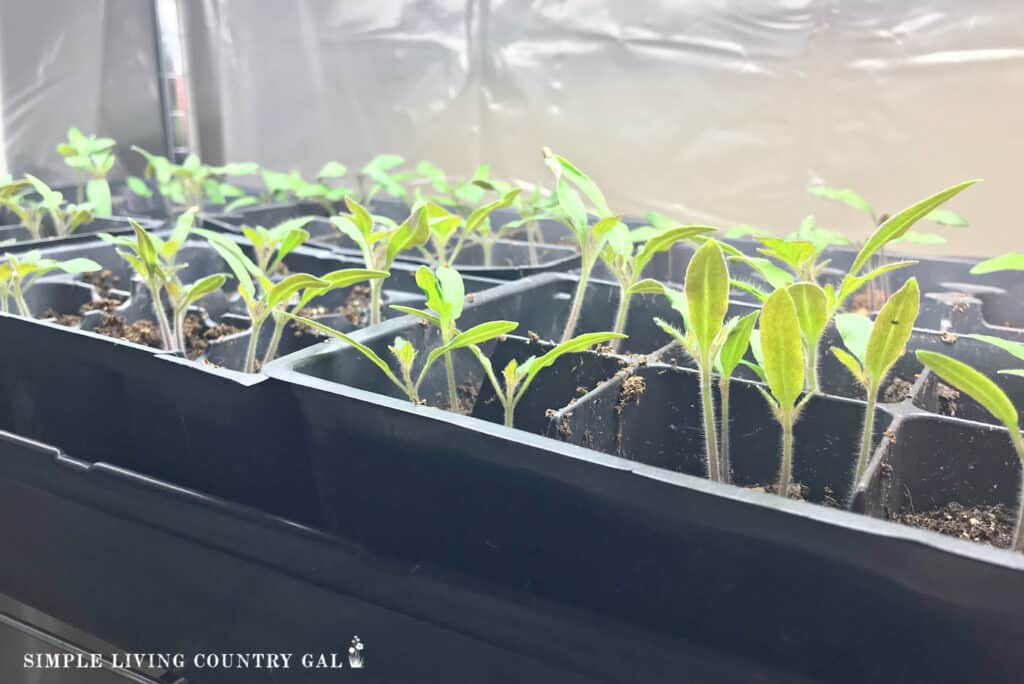
#19. Begin seeds for slow-growing plants such as onions, leeks, and early herbs, depending on your zone. Set up grow lights or choose a bright window so seedlings don’t become leggy.
#20. Clean, sharpen, and repair hand tools while you still have indoor time. Inspect raised beds, fencing, trellises, and hoops for damage from snow or ice.
February gardening is quiet, thoughtful work. Nothing looks like it’s happening yet, but this is when a good garden season really begins.
Barn and Outbuildings
February is a good month to walk through your barns and outbuildings with a practical eye. Winter weather has a way of revealing weak spots, and catching small issues now can prevent much bigger repairs later.
#21. Inspect roofs for signs of leaks, sagging, or ice damage. Even small drips can cause problems over time. Check doors, hinges, and latches to be sure everything opens and closes properly, even in cold weather. Look for drafts that may affect livestock areas and seal them without blocking ventilation.
#22. Take stock of feed, bedding, and supplies so you know what needs to be restocked before spring. Store feed in secure containers to keep moisture and rodents out.
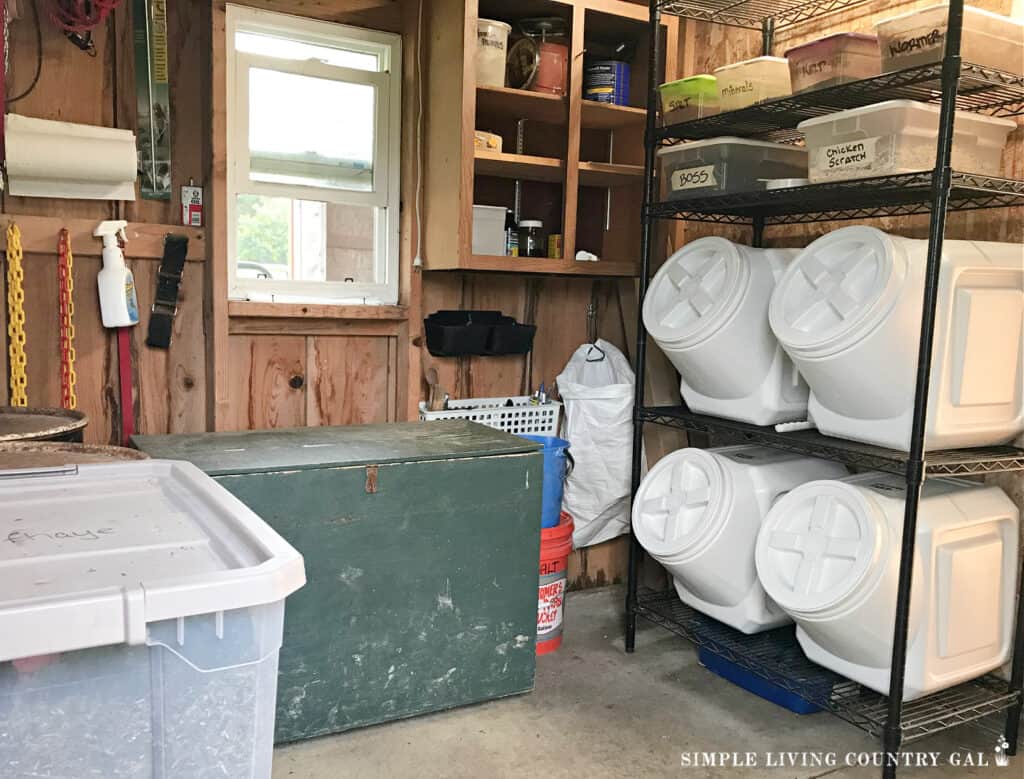
#23. Use indoor time to clean, repair, or sharpen tools while they’re easy to access. Check extension cords, heaters, and electrical outlets for wear or damage.
A little attention to barns and outbuildings in February helps everything run smoother when life speeds up again in spring.
Planning
February is one of the best months of the year for planning on the homestead. The pace is slower, winter still has a hold on things, and you have the rare gift of time to think before spring speeds everything up.
This is when thoughtful planning can save you money, energy, and unnecessary stress later on.
#24. Review & Reflect
- Look back at last year’s notes, journals, or calendars if you keep them. What worked well? What felt rushed or overwhelming?
- Take note of projects that didn’t get finished and decide if they still matter this year, or if they can be crossed off for good.
#25. Garden, Livestock & Seasonal Planning
- Finalize garden plans, including how much you realistically want to grow, preserve, or maintain.
- Review livestock timelines, especially if you’re heading into kidding, lambing, or calving season.
- Decide if you’re adding to or reducing your flock or herd this year and plan housing accordingly.
#26. Barn & Outbuilding Planning
- Walk through barns, sheds, and storage areas and make a short list of repairs or improvements you want to tackle once the weather warms.
- Note any structural issues, storage shortages, or layout changes that would make daily chores easier.
- Price out materials now so spring projects don’t turn into last-minute scrambles.
- Walk the fenceline as weather allows, looking for posts pushed out by frost, sagging wire, broken boards, or fallen limbs. Make notes now so repairs can be scheduled as soon as conditions improve.
#27. Scheduling & Budgeting
- Spread projects out over the coming months so everything doesn’t land at once.
- Make a simple list of expected spring purchases like feed, fencing, seeds, or building supplies.
- Look for opportunities to reuse materials or buy secondhand to keep costs manageable.
A little planning this month goes a long way toward a smoother season ahead.
Wrapping Up February on the Homestead
February may not look busy at first glance, but it’s one of the most important months on the homestead. The care you give now, the notes you make, and the plans you put in place quietly shape the season ahead.
This February homesteading to-do list isn’t meant to be tackled all at once. Use it as a guide, picking a few tasks at a time and moving at a pace that works for your home, your animals, and your energy. Some days will be full and productive, others slower and quieter, and both are part of this life.
Spring will arrive soon enough, and when it does, you’ll be ready, calm, prepared, and grounded in the rhythm of your homestead.
