
Old-Fashioned Amish Money Habits That Still Work Today
Many families today are looking for practical ways to save money, avoid debt, and live more simply. That is one reason these Amish money habits continue to inspire so many people. The Amish are known for living with less stress, less waste, and more intention when it comes to money and everyday life.
You do not need to live off the grid to use these ideas in your own home. In fact, many of these habits fit perfectly with modern simple living tips that help families spend less and focus more on what matters most.

When our family was younger, money was tight. There were years when I worked hard to make every single dollar stretch as far as possible, trying just about every frugal living tip I could find.
Where we lived, there were many Amish families nearby, and I was always fascinated by how simply they lived. Many were raising large families on a single income, growing their own food, reusing what they had, and living in ways that just felt calmer and less wasteful.
So I started paying attention.
I watched how they cooked, how they shopped, how they reused things, and how careful they were with what they spent. And honestly, a lot of those old-fashioned habits helped our family through a few pretty sketchy seasons over the years.

If you are trying to keep more money in your pocket without feeling deprived all the time, a few of these Amish money habits might help you too. Some are simple and may only save a few pennies here and there, but others can make a surprisingly big difference over time.
What Makes Amish Money Habits So Effective?
One thing I have always admired about Amish living is how practical it is. Their lifestyle is not built around trends, convenience, or constantly buying more. It is built around using what they have, wasting less, and making thoughtful choices with their money and home.
Honestly, many of those same ideas helped our family through some pretty difficult seasons over the years.
At Simple Living Country Gal, one of the things I believe most is this:
Use it, make it, grow it, so you do not have to buy it.
And that mindset lines up beautifully with many old-fashioned Amish habits.
Now obviously, most of us are not going to completely change the way we live overnight. But there are plenty of practical old-fashioned habits inspired by Amish living that regular families can actually try.
Some are simple. Some take a little extra planning. But many can help you save money, waste less, and create a calmer home at the same time.

Amish Kitchen Tips That Save Money
Cook From Scratch More Often
One of the biggest ways Amish families save money is by cooking amazing meals from scratch instead of relying on boxed mixes and convenience foods.
Homemade muffins, pancakes, soups, breads, and casseroles usually cost far less than prepackaged options, especially when feeding a family.
And honestly? Many homemade recipes are not nearly as complicated as we make them out to be.
Cook Once and Eat Twice
Another old-fashioned habit that stretches both money and time is making enough food for leftovers. Not just for a quick lunch but another full meal.
Things like big pots of soup, chili, roast chicken, casseroles, or homemade spaghetti sauce can often feed your family more than once, saving both groceries and extra cooking later in the week.
You can either eat the same meal the next day or freeze it for a meal later in the month.
Have a No-Waste Soup Night
One old-fashioned way to stretch groceries further is to create meals using leftovers and ingredients you already have on hand.
Extra vegetables, leftover meat, potatoes, rice, and even small portions of pasta can all turn into homemade soup, casserole, or fried rice instead of going to waste.
Some nights, the most budget-friendly meals are the ones made from what is already sitting in your fridge.
Freeze Bread Ends for Later
Instead of tossing the end pieces of bread that nobody seems to want, keep them in a freezer bag until you have enough to use.
Bread ends work great for homemade breadcrumbs, croutons, stuffing, breakfast bakes, or even homemade garlic bread.
Turn Leftover Meat Into Homemade Pizza
Small amounts of leftover chicken, roast beef, sausage, or ham can easily become toppings for homemade deep-dish pizza.
It is a great way to stretch leftovers into an entirely new meal while avoiding food waste at the same time.
Freeze Produce While It Is In Season
Fresh fruits and vegetables are usually cheapest when they are in season.
Many Amish families take advantage of that by visiting you-pick farms, roadside stands, or local markets to buy produce in bulk and preserve it for later.
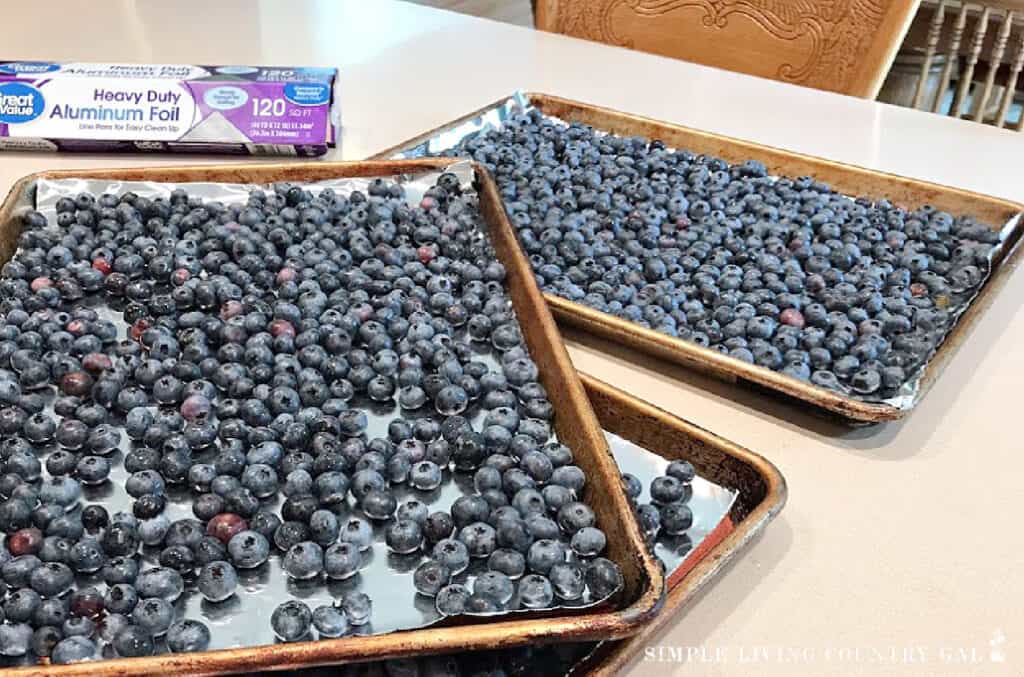
Blueberries, strawberries, peaches, apples, peppers, and even herbs freeze beautifully and can help lower grocery costs during the winter months.
When freezing produce, try to remove as much air and moisture as possible before storing it away. Doing this helps prevent freezer burn and keeps fruits and vegetables tasting fresher much longer.
Save Scraps for Homemade Stock
Instead of throwing away vegetable scraps, many families save them in a freezer bag until they have enough to make homemade broth or stock.
Celery ends, onion peels, carrot tops, and other leftover pieces can turn into something useful instead of ending up in the trash.
When the bag is full, add the frozen scraps to a large pot of water and simmer until you have a rich homemade broth. You can also add bouillon, herbs, or simple seasonings for even more flavor.
Strain out the vegetables and use the stock for soups, stews, casseroles, or even to flavor rice and pasta dishes.
Use What You Have First
One practical Amish habit that has always stuck with me is using what you already have before buying more.
That means using leftovers before cooking another meal, finishing pantry items before shopping again, and repurposing ingredients in creative ways.
Set up a “use first” basket in your fridge to help cut down on wasted food and unnecessary grocery trips. Whenever you plan meals, use this as your inspiration.
5 PCS Large Fruit Containers for Fridge – Leakproof Food Storage Containers with Removable Colander – Dishwasher & microwave safe Produce Containers Keep Fruits, Vegetables, Berry, Meat Fresh longer 4-Pack Refrigerator Drawer Organizer Bins, Clear Stackable Pull Out Fridge Organizers and Storage Container, with Strainer Layer for Fruits, Vegetables, Drinks, Snack and Foodbealy 2 Pack Fruit Storage Containers for Fridge with Strainer, BPA-Free Fridge Organizers and Storage, Stackable Clear Pull Out Refrigerator Organizers Drawer for Fruit,Vegetable,Produce,Berry,Food


Amish Laundry Habits That Cut Costs
Hang Clothes Outside to Dry
Line drying clothes is probably one of the most well-known Amish habits, and honestly, it can save quite a bit over time.
During warmer months, hanging clothes outside helps lower electricity costs while also being gentler on clothing.
And when the weather is cold or rainy? Drying racks indoors work just fine too.

Reuse Towels More Than Once
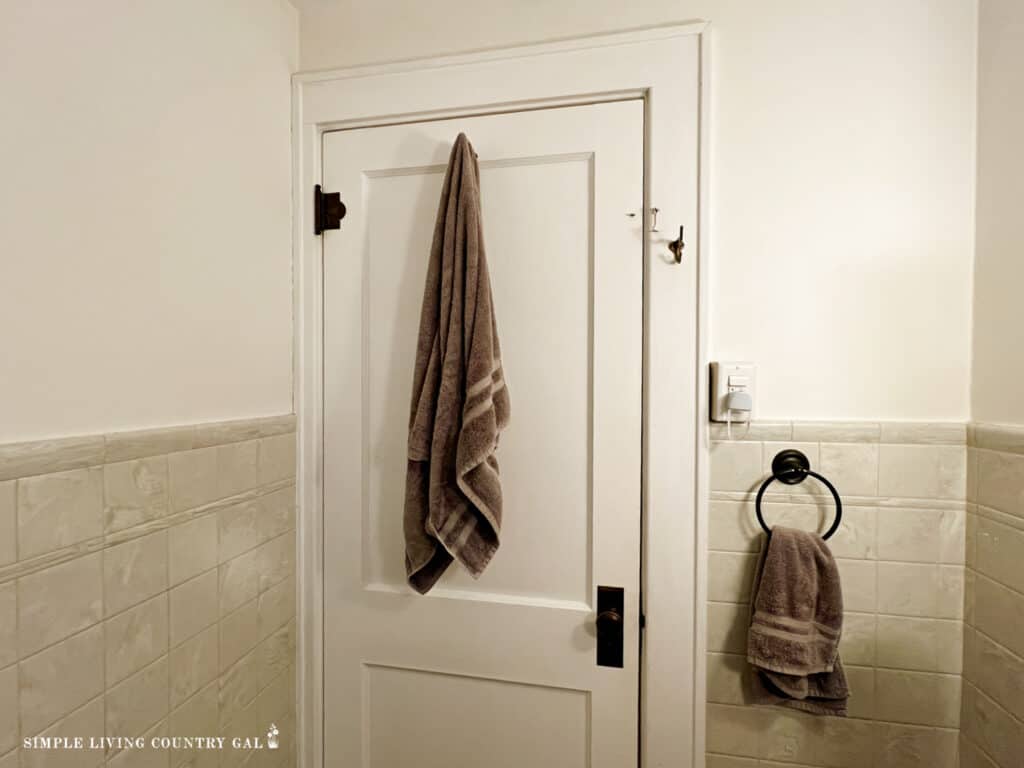
One simple way to cut back on laundry is to reuse bath towels throughout the week instead of washing them after every use.
As long as towels are hung up properly to dry, they can usually be used several times before needing to be washed again.
It may seem like a small change, but doing fewer loads of laundry can save water, detergent, electricity, and quite a bit of time too.
Make Your Own Dryer Sheets
One inexpensive trick is using reusable sponge pieces instead of disposable dryer sheets.
Cut a clean kitchen sponge into halves or thirds, depending on the size, then soak the pieces in diluted fabric softener. Wring them out well before tossing one into the dryer with your clothes.
It is a simple way to add softness and scent without constantly buying new dryer sheets.
Wear Aprons to Help Clothes Last Longer
One simple old-fashioned habit that still makes sense today is wearing aprons while cooking, baking, gardening, or cleaning.
Aprons help protect clothing from stains and wear, which means clothes last longer and need washed less often.
And honestly, it is a whole lot easier to wash one apron than an entire outfit.
VALOME 2 Pack Kitchen Aprons, Apron for Cooking with 2 Pockets, Unisex Adjustable Neck Strap Chef Aprons for Men WomenWomen Girls Cross Back Apron Gardening Works Cotton Aprons Pinafore DressPinknoke Vintage Pinafore Apron Dress for Women with Pockets Cute Floral Chef Aprons for Kitchen Cooking Baking GardeningSoft Cotton Linen Apron Cross Back X-Shaped Japanese Style Pinafore Dress for Cooking, Housewarming, Daily ChoresVLZUFE Cotton Linen Apron for women Cross Back Apron Pinafore Dress for Baking Cooking Gardening WorkVIKIDEER Comfortable Huge Plus Size Aprons for Women Adjustable Cross Back Floral Cotton Linen Aprons


Wash Clothes in Cold Water
Cold water washing helps lower utility costs and is easier on clothing over time.
Most everyday laundry comes perfectly clean in cold water, especially with today’s detergents.
Amish Cleaning Habits That Waste Less
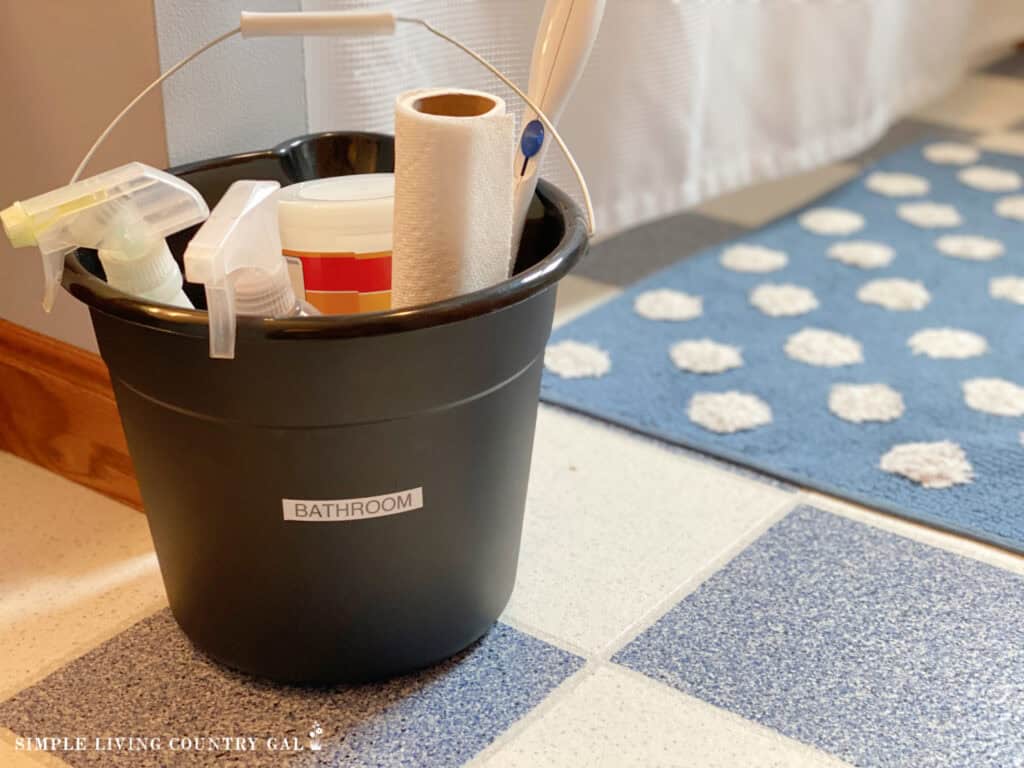
Make Your Own Cleaning Supplies
Many Amish homes rely on simple homemade cleaners using ingredients like vinegar, baking soda, lemon, and dish soap.
Not only are homemade cleaners often less expensive, but they also reduce the number of specialty products cluttering up cabinets.
Reuse Containers Whenever Possible
Glass jars, food containers, and sturdy packaging are often reused instead of tossed.
An empty candle jar might become storage for pantry items, office supplies, leftovers, or even bacon grease in the kitchen.
It is all about finding another purpose before throwing something away.
Use Cloth Napkins and Reusable Towels
Instead of constantly buying paper towels and disposable napkins, many families switch to cloth options they can wash and reuse.
Flour sack towels, cloth napkins, and reusable cleaning cloths can save quite a bit of money over time while also reducing waste.
Reusable Paper Towel Rolls 20 Pack,Washable Napkin Cloth Value Set of 4 Colors 20 Pack of Paperless Towel-100% Cotton, Super Soft, Absorbent Made to Last (Blooming)Utopia Kitchen Multi Color Cloth Napkins [12 Pack, 18×18 Inch] Absorbent Cotton Blend Washable and Reusable for Dinner, Restaurant, Lunch, Wedding and HotelPremium New Zealand Wool Dryer Balls – 6-Pack, 100% Organic, Hand-Felted, Reusable, Reduce Drying Time – Natural Fabric Softening, Wrinkle & Static Reduction

![Utopia Kitchen Multi Color Cloth Napkins [12 Pack, 18x18 Inch] Absorbent Cotton Blend Washable and Reusable for Dinner, Restaurant, Lunch, Wedding and Hotel](https://m.media-amazon.com/images/I/81zXIekUBXL._AC_UL320_.jpg)

Amish Shopping Habits That Help You Spend Less
Shop With a List and Stick to It
One habit I noticed often was how intentional Amish families seemed when they shopped.
They usually knew exactly what they needed before walking into the store, helping avoid impulse spending.
Going shopping with a list and sticking to it can make a surprisingly big difference in your grocery budget.
Bring Cash Instead of Cards
Using cash whenever you shop helps to creates natural spending limits.
When you physically see money leaving your hand, it becomes much easier to stay aware of what you are spending.
I do have to say this one can be tricky when first starting out. One tip I have relied on is keeping a running total either with a calculator of my phone. This helps me to stay within my budget more easily.
Plan Fewer Shopping Trips
One practical way to cut spending is to shop less often.
Instead of running to the store every week, try stretching grocery trips to every other week whenever possible. Fewer trips often mean fewer impulse purchases and lower gas costs too.
Learn Which Stores Have the Best Prices
Not every store has the best price on everything, but how lovely would it be if one did?
One grocery store may have lower produce prices while another has cheaper meat, bread, or even pantry staples.
Taking time to learn where the best deals are can save a surprising amount of money over the course of a year, especially if you combine trips carefully and shop with a plan. For years I relied on our price book, a simple tip I learn decades ago.
It does take time to set up, but once you do you will have a valuable resource you can rely on again and again.
Read How to Setup a Price Book for a full walkthrough.
Look for Lower-Cost Alternatives
One trick I learned was to look for deals in places most people overlook.
For example, instead of paying deli prices for roast beef lunch meat, ask the meat department if they have end cuts they can slice for sandwiches. Often, it costs much less per pound.
Those small savings may not seem huge at first, but over time they add up.

Buy Quality Once Instead of Cheap Five Times
This may be one of the smartest old-fashioned habits of all.
Buying the cheapest option over and over again often costs far more in the long run than buying one well-made item that lasts.
Whether it is cookware, shoes, tools, or winter coats, quality items usually hold up longer and work better too.
Host Potluck Dinners Instead of Eating Out
Getting together with friends and neighbors does not always have to mean expensive restaurant meals.
A simple potluck dinner where everyone brings a dish can be far more affordable and often much more enjoyable too.
Sharing meals at home is an old-fashioned tradition that saves money while bringing people together at the same time.
Try a Clothing Swap With Friends
Children outgrow clothing quickly, and constantly replacing wardrobes can get expensive fast.
One smart way to save money is by organizing a clothing swap with friends or family members who have children around the same ages.
Everyone brings gently used clothes their kids have outgrown and trades items instead of buying everything brand new.
Keep a Cash Jar at Home
A simple coffee can or jar for spare change and extra dollars may not seem like much at first, but over time it can become a helpful cushion for unexpected expenses.
Loose change from pockets, extra cash from shopping trips, or even a few dollars here and there can slowly add up without much effort.
Learn Basic Haircuts at Home
Haircuts can become a major expense for families, especially with multiple children.
Learning simple clipper cuts for boys or basic bang trims for girls can help stretch time between salon visits and save quite a bit of money over the course of a year.
And today, there are plenty of online tutorials that make learning the basics much easier than it used to be.
Simple Habits Can Make a Big Difference
What I appreciate most about Amish-inspired living is that it focuses less on buying more and more on using what you already have wisely.
These habits are not about perfection or giving up every modern convenience. They are about being thoughtful, resourceful, and intentional with your home, your money, and your everyday life.
And honestly, in a world where everything feels expensive and overwhelming, that kind of practical wisdom still makes a whole lot of sense.
