
Setting up an Amish Pantry
When I first started homesteading, I thought I needed every gadget, spice blend, and specialty ingredient just to make a decent meal. My cupboards looked more like a cluttered supermarket aisle than a homestead kitchen. It wasn’t until I learned about setting up an Amish pantry that things clicked into place.
The Amish have a way of keeping life beautifully simple, filling their shelves with basic, versatile ingredients that can be turned into hearty, homemade meals without a lot of fuss. It’s the kind of approach that feels like a true guide to simple living, practical, frugal, and refreshingly doable.

When I first moved out to the country, I was fascinated by our Amish community. Watching them ride by in their buggies and go about their days at a slower pace than mine, I couldn’t help but long for just a bit of that calm rhythm in my own life.
Now, I’ll be honest, I’m not about to give up my favorite kitchen tools, electricity, or my car. But what I can borrow from them is something just as meaningful: their tradition of good, wholesome, from-scratch cooking that brings both comfort and nourishment to the table.

The Amish Diet
If you’ve ever sat down to a meal with an Amish family, you know one thing right away, it’s not about fancy recipes or picture-perfect plates. Their diet is simple, hearty, and full of flavor.
Most of what they eat comes straight from their own land: vegetables from the garden, meat and dairy from their animals, and shelves stocked with home-canned goods, baking staples, and plenty of oats and flour for bread and pies.
What I love about the Amish way of eating is that it’s less about convenience and more about nourishment. Meals are cooked from scratch, usually in big portions (because there’s always room at the table for one more), and enjoyed together.
Now, I may not grow or raise everything the way they do, and I’m guessing you don’t either, but we can borrow this approach to cooking meals. By keeping a pantry stocked with the basics, we can whip up dishes that are wholesome, filling, and delicious without making life complicated.
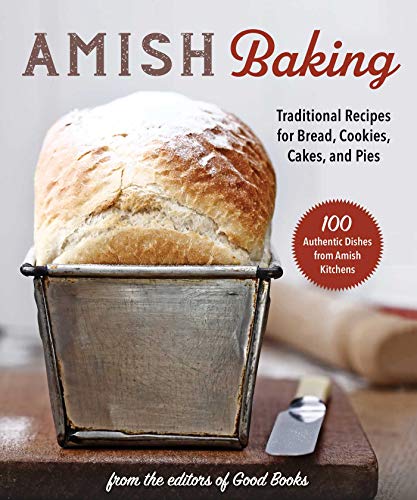
Homemade Amish Cooking: Hearty and Delicious Homestyle Country Cooking Amish Baking: Traditional Recipes for Bread, Cookies, Cakes, and PiesThe Essential Amish Cookbook: Everyday Recipes from Farm and Pantry (Lovina Eicher’s Amish Kitchen)


What is an Amish Pantry (and Why It Matters)
An Amish pantry isn’t just a place to store food, it’s the heart of the kitchen. Think of it as a well-organized toolbox, only instead of hammers and nails, it’s filled with flour, sugar, dried beans, jars of canned vegetables, and baking essentials. With these basics always on hand, the Amish can pull together hearty meals without a last-minute trip to the store.
What makes this so helpful in our own lives is the simplicity.
An Amish pantry focuses on ingredients that can be used in dozens of ways, stretching meals while keeping things affordable. It’s not about having everything, it’s about having the right things. For those of us looking to bring more calm and purpose into our days, building this kind of pantry is one of the easiest ways to live a little slower, cook a little simpler, and eat a lot better.
Setting up an Amish Pantry
An Amish pantry isn’t about stocking every ingredient under the sun, it’s about having the right basics so you can create meals from scratch without stress. To make it easier, here’s a breakdown of pantry staples by category.
You can start with just a few items in each section or go all-in by buying in bulk and preserving your own food.
Baking Essentials
If you have ever gone to an Amish store, you know that baking is at the heart of Amish cooking, and it all starts with simple ingredients.
- Flour (all-purpose, whole wheat, or bread flour) – for breads, rolls, pie crusts, biscuits.
- Sugar (white and brown) – used in everything from cookies to canning.
- Baking powder & baking soda – simple leavening agents for breads, biscuits, and cakes.
- Yeast – essential for homemade bread and rolls.
- Oats – for oatmeal, cookies, and hearty breads.
- Lard or shortening – the old-fashioned fat for flaky crusts and tender baked goods.
Start Small: Keep flour, sugar, and baking powder on hand and you’ll already be able to make simple breads and desserts.
Go All-In: Buy flour and sugar in 25-50 lb bags, store yeast in the freezer, and keep lard rendered from your own animals (or purchased locally).
Main Meal Staples
Amish meals are hearty, filling, and often built around a protein with plenty of sides.
- Dried beans & lentils – for soups, stews, and casseroles.
- Rice & pasta – versatile bases for countless meals.
- Canned meats (chicken, beef, pork) or frozen if you butcher your own – ready-to-use protein.
- Potatoes & onions (store in a cool, dark place) – staples for casseroles, soups, and side dishes.
- Canned tomatoes – the base for sauces, soups, and chili.
Simple Start: Keep a few bags of beans, rice, and pasta along with potatoes and canned tomatoes.
Go All-In: Pressure can meats, grow and store bulk potatoes, and fill shelves with home-canned vegetables.
Shazo 2 PC (11L | 372 oz) Flour Sugar Storage Containers with Easy Carry Handle – Plastic Extra Large Food Storage Containers with Lids for Rice Cereal, BPA Free & Airtight Kitchen Pantry OrganizationVEVOR Ingredient Storage Bin, 2 x 15L Dispenser Bin with 2 Measuring Cups, Attachable Casters and Airtight Lid, 2 Pcs/Set Dog Pet Food Storage Container, PP Material Kitchen Rice Cereal Flour BinYXQ 25LB Large Flour Storage Container Bin ,2 Pack Airtight Plastic with Wheels Seal Locking Lid Dispenser Organizer Storage Bin with Measuring Cup & Scoop for Flour, Rice, Grain 50LBS Total


Side Dish Staples
Sides often make the meal, and the Amish pantry is built with that in mind.
- Canned green beans, corn, peas, carrots – easy additions to any meal.
- Pickles, relishes, and sauerkraut – add variety and flavor.
- Applesauce and canned fruit – common side dish or dessert topper.
Start Small: Stock canned or frozen vegetables and applesauce from the store.
Go All-In: Can your own produce in season and experiment with homemade relishes and pickles.
LOVE MOMENT Electric Mason Jar Vacuum Sealer Kit for Wide Mouth and Regular Mouth Mason JarsGemfino Canning Supplies Starter Kit with Canning Rack,Canning Kit for Beginners 11 Pcs, Jar Lifter, Funnel, Wrench, Tongs, Lid Lifter, Bubble Popper, Labels, Ladle, Measuring Spoon – BlackCanning Pot with Rack and Lid-Canning Kit for Beginners, 21.5 Quart Stock Pots-Canning Supplies Starter Kit for Beginners,Water Bath Canners for Canning,Food Grade Accessories Starter by JY COOKMENT


Seasonings & Flavors
Simple doesn’t mean bland, Amish cooking uses a handful of seasonings to make meals delicious.
- Salt & pepper – the basics that never fail.
- Cinnamon & nutmeg – for baking and sweet dishes.
- Garlic powder & onion powder – easy ways to flavor soups and meats.
- Dried herbs (parsley, dill, basil, thyme) – used sparingly but effectively.
- Molasses & vanilla extract – pantry must-haves for baked goods.
Start Small: Stick with salt, pepper, and cinnamon, three of the most used.
Go All-In: Build out a shelf of dried herbs (grow and dry your own if possible). Keep molasses by the gallon, and stock vanilla extract for all baking.
Extras That Make It Feel Amish
These aren’t “must-haves,” but they’re the little touches that bring Amish meals to life.
- Honey & maple syrup – natural sweeteners with long shelf life.
- Homemade mixes – pancake mix, muffin mix, or soup starters.
- Canned jams, jellies, and butters – apple butter, grape jelly, strawberry jam.
- Popcorn – a classic Amish evening snack.
- Coffee & tea – staples for hospitality and daily life.
Start Small: Add honey, jelly, and popcorn to your shelves.
Go All-In: Make and can your own jams, churn apple butter each fall, and stock maple syrup by the gallon if you’re lucky enough to source it locally.
No matter which approach you take, the goal is the same: a pantry that makes home cooking simple and satisfying. Start small, add a few items each week, and before long you’ll have shelves that make whipping up meals feel easy, the way it should.
Bringing Your Amish Pantry to Life
Setting up an Amish pantry isn’t about perfection; it’s about creating a space that makes life easier, meals simpler, and cooking more enjoyable. Whether you start small with a few baking staples or go all-in with bulk goods, home-canned produce, and carefully stocked shelves, every step moves you closer to a kitchen that supports good, wholesome, and delicious meals every day.
The true value of your pantry isn’t just in the ingredients it holds, it’s in how it makes daily life easier. A well-stocked pantry becomes the backbone of home-cooked meals, helps you feed your family without stress, and supports a calmer, more intentional way of living, even in the middle of a busy day.
So take a look at your shelves, pick one or two categories to add to this week, and let your Amish pantry grow naturally.
More Amish Reads:
- 10 Facts About the Amish Way of Life
- Modern Day Amish Lifestyle
- How to Live Amish Without Being Amish
