
The Best Ways to Reuse and Repurpose Everyday Items
When I think back to my grandmother’s home, I’m always amazed at how little went to waste. A cracked jar became a button holder, old flannel shirts turned into cleaning rags, and coffee cans somehow had a hundred different uses. Back then, it wasn’t about being trendy, it was simply the way you lived.
These days, as midlife women, many of us are craving that same sense of simplicity. And learning the best easy ways to reuse and repurpose everyday items is the perfect place to start. Not only does it save money (always a win!), but it also helps us create homes that feel resourceful, creative, and intentional.
Pairing these old-fashioned habits with a modern guide to simple living shows us that even the tiniest shifts, like rethinking what we toss, can lead to big changes in how cozy, calm, and purposeful our homes feel.
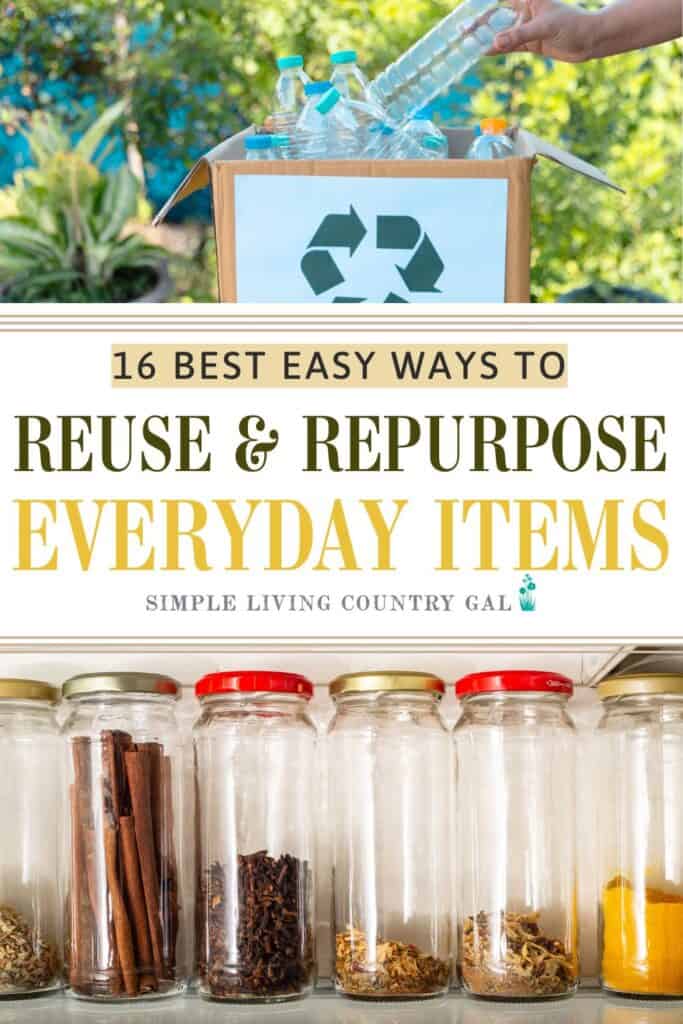
When my husband and I were first married, money was tight. Every penny felt like a dollar, and I had to get pretty creative just to make ends meet. Looking back, I realize my repurposing skills back then were pretty impressive, I could stretch a meal, a shampoo bottle, or even a roll of paper towels like nobody’s business.
But here’s the honest part…as our finances improved, I started to slip. Before long, I was tossing leftovers without a second thought and throwing out bottles that still had a little life left in them. Funny how that happens, right?
The truth is, whether money is scarce or comfortable, being mindful with what we already have is just as important, maybe even more so. Money doesn’t exactly fall from the sky, and learning to use what we earn wisely (without waste) is one of the best ways to live responsibly.
So, whether you’re living well or stretching things paycheck to paycheck, this list of ideas might just shift your perspective and help you keep more of your hard-earned dollars in your own pocket, where they belong.
Reuse Without the Clutter
Now, let’s clear something up, this isn’t about saving every bread tie, glass jar, or toilet paper roll “just in case.” (We’ve all been there, and it’s not pretty.) Instead, this is about being intentional. It’s choosing what’s actually worth reusing and turning it into something that serves a purpose in your home.
Think of it as a little challenge: one week, one small change at a time, whether it’s inside your home or out in the yard. Sure, each step might seem small, but the real value is in the shift of perspective. When we start seeing our everyday items differently, we start living differently. And trust me, one tiny change today can add up to hundreds saved (and a whole lot less waste) down the line.
Best Easy Ways to Reuse and Repurpose Everyday Items
Before we dive in, here’s a little reminder: reusing and repurposing isn’t about keeping all the things or turning your home into a craft project gone wild. It’s about making small, intentional swaps that save money, reduce waste, and help you see everyday items in a whole new light—exactly the kind of practical homesteading tips that make life simpler and more sustainable.
1. Repurpose Glass Jars Into Storage
Glass jars from pasta sauce, pickles, or jelly are perfect for storing dry goods, craft supplies, or bathroom essentials like cotton balls and Q-tips. They’re durable, easy to clean, and let you see exactly what’s inside, no more mystery containers in the pantry.
Action Step: Save one glass jar this week. Remove the label (a soak in warm, soapy water works wonders), and give it a job, storing tea bags, nails, or even homemade salad dressing.
2. Turn Old T-Shirts Into Cleaning Cloths
Worn-out shirts, pajamas, or leggings can be cut into squares for reusable cleaning rags. They’re great for dusting, wiping counters, or even polishing windows without lint. This saves you money on paper towels and reduces waste.
Action Step: Set aside two worn shirts this week. Cut them into large squares, store them under the sink, and see how often you reach for them instead of paper towels.
3. Reuse Candle Jars for Organizing
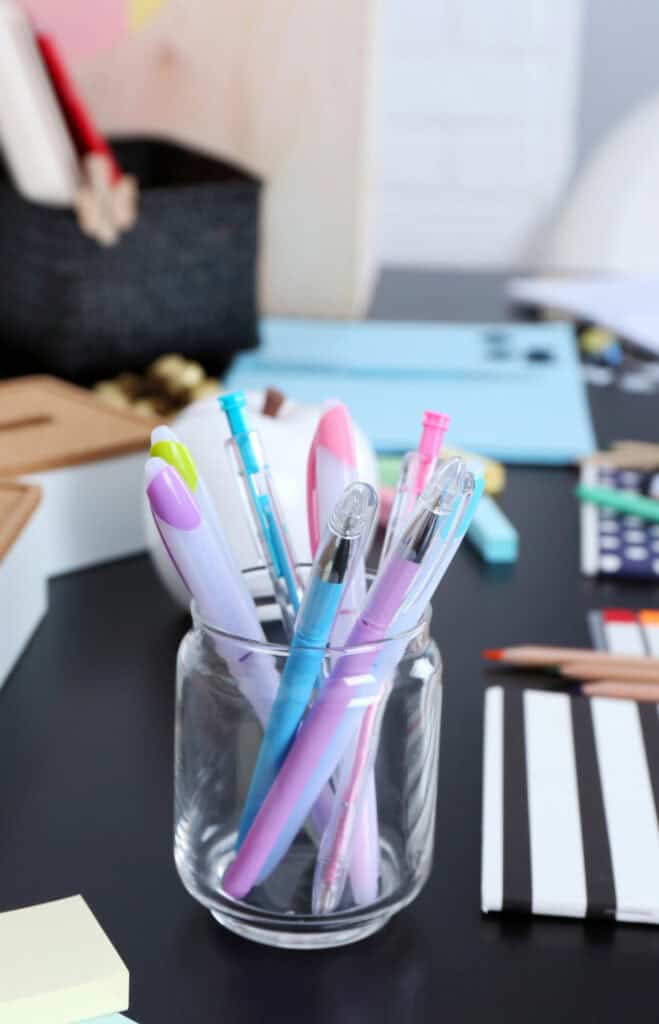
When the wax is gone, those pretty candle jars can be cleaned and used to store makeup brushes, pens, kitchen utensils, or loose change. Many come with lids, making them perfect for small pantry items.
Action Step: Once a candle burns out, freeze the jar for a few hours. The remaining wax will pop right out. Wash it, then assign it a new purpose in your home.
4. Repurpose Shipping Boxes for Storage
Rather than tossing sturdy boxes from deliveries, keep a few for organizing seasonal decorations, storing photos, or sending care packages to family. Flatten extras to save space.
Action Step: Keep two of the best-quality boxes you receive this month. Label them for your next organizing project or store them for future shipping needs. If you need them to be sturdier, you can cover them in contact paper.
5. Use Food Scraps for Broth
Vegetable ends, herb stems, and even chicken bones can be stored in the freezer until you have enough to make a flavorful broth. This cuts down on waste and eliminates the need to buy stock.
Action Step: Start a freezer bag for veggie scraps this week. When it’s full, simmer the contents with water, salt, and pepper for a budget-friendly broth.

You can also use kitchen waste to boost the health of the soil in your garden. Read our guide on How to Use Waste for Gardening.
6. Give Worn Towels a Second Life
Old towels make excellent pet bedding, car-wash cloths, or even padding for packing fragile items. They’re absorbent, washable, and too useful to toss without a second thought.
Action Step: Pull one old towel from the linen closet and assign it to a new role, keep it in the car for messy errands, or store it with your pet supplies.
7. Turn Coffee Grounds Into Garden Gold
Used coffee grounds can enrich garden soil, deter pests, and even be added to compost. They’re a natural way to boost soil health without spending a dime on fertilizer.
Action Step: Collect your coffee grounds in a small container for a week. Add them to your compost pile or sprinkle them around plants that need a little boost.
8. Reuse Plastic Plant Pots
Instead of buying new pots each season, wash and store the ones you already have. They’re perfect for starting seeds or sharing extra plants with friends.
Action Step: After planting or transplanting, wash and stack your empty pots in a dry spot so they’re ready for next season.
9. Turn Rainwater Into Free Plant Water
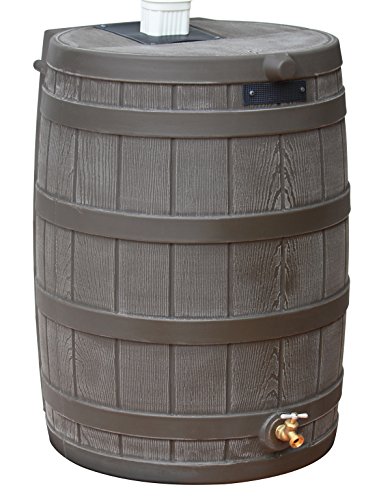
A simple rain barrel or even a clean bucket under a downspout can collect water for your garden. It’s free, eco-friendly, and especially helpful in dry spells.
Action Step: Place a large container under a downspout before the next rain. Use the collected water for potted plants or garden beds.
VINGLI 100 Gallon Collapsible Rain Barrel, Portable Water Storage Tank, Rainwater Collection System Downspout, Water Catcher Container with Filter Spigot Overflow Kit Good Ideas Rain Wizard Water Collection Plastic Barrel, Oak, 50 Gallon – Linkable Flat-Back Faux Wood Rainwater Catcher Storage Drum w/ Robust Metal Spigot & Fine Mesh ScreenPYY Rain Water Collection Barrel – 100 Gallon Green Water Storage Tank with Spigots, Hose and Portable Bucket, Large Plastic Collapsible Rain Catcher Catchment System to Collect Rainwater from Gutter


10. Repurpose Wood Scraps for Garden Projects
Small pieces of leftover wood can be used to create plant markers, small trellises, or raised bed edging. It’s a great way to save money on garden upgrades.
Action Step: Keep a small bin in the garage for usable wood scraps. Label each piece by size so you can easily grab what you need for your next DIY project.
11. Turn a Sweatshirt Into a Pillow Cover
That cozy sweatshirt you no longer wear can easily become a soft pillow cover. It’s a quick sewing project and adds a fun, personal touch to your couch or bed.
Action Step: Pick one old sweatshirt, cut it to fit a pillow insert, and sew the edges (or use fabric glue if sewing isn’t your thing). Instant cozy upgrade.
12. Take Leftovers and Make a Casserole
Leftovers don’t need to be boring. Combine last night’s veggies, meats, and grains into a simple casserole with a little cheese or sauce, and suddenly you’ve got a brand-new meal. You can use rice, pasta, or even potatoes as the base, then pile on your mix of leftovers and top it all with a sprinkle of cheese or a creamy sauce. Bake until golden and bubbly, and you’ve got comfort food made from what would’ve been wasted.
Action Step: At the end of the week, take a look at what’s lingering in the fridge. Mix and match into a one-dish casserole, add a base like rice or pasta, top with cheese, and bake until warm and melty. It’s an easy way to use up meals before they go bad.

13. Stale Cereal? Use It as a Crunchy Coating
Don’t toss that box of cereal that’s gone a little soft, it still has life left in it! Just spread it on a baking sheet and pop it in the oven for a few minutes to crisp it back up. Once it’s crunchy again, crush it into crumbs and use it as a coating for baked chicken, fish, or even veggies. It adds great texture and flavor without wasting food.
Action Step: Save a cup of stale cereal this week. Crisp it in the oven, crush it in a bag, and swap it in for breadcrumbs the next time you bake chicken or fish.
14. Turn a Condiment Bottle Into a Soap Dispenser
Empty squeeze bottles (like mustard or ketchup) are perfect for dispensing liquid soap, pancake batter, or homemade cleaning solutions.
Action Step: Rinse out one empty squeeze bottle and remove the label with hot soapy water. Once done, fill it with dish soap and keep it near to the sink.
15. Give Old Jeans a New Life as Tote Bags
Denim is sturdy, washable, and perfect for upcycling. Old jeans can easily become tote bags for groceries, books, or even garden tools. The fabric is tough enough to handle heavy loads, and best of all, it’s already broken in.
Action Step: Take one pair of jeans that’s beyond repair. Cut off the legs and sew the bottom closed to make the bag. Use the cut-off legs or waistband to create handles and attach them securely to the top.
Next, sew on a large button or add Velcro to keep your tote closed. In less than an afternoon, you’ll have a practical, durable bag that costs nothing to make.
16. Transform Bed Sheets Into Curtains
Worn or outdated sheets can be hemmed and hung as curtains. They’re already large, lightweight, and come in endless colors and patterns, perfect for a thrifty window refresh.
Action Step: Choose a flat sheet you no longer use. Fold and hem the top for a curtain rod, hang it up, and enjoy your “new” curtains without spending a dime.

FAQ – Your Reuse & Repurpose Questions Answered
Q: How do I decide what’s worth keeping?
A: Ask yourself two things: Do I have a specific use for this within the next month? and Do I have the space to store it neatly? If the answer to either is “no,” it’s okay to recycle or donate it.
Q: Won’t reusing things just create clutter?
A: Not if you’re intentional. The goal is purposeful reuse, not saving everything. Keep only what you know you’ll use, and give it a dedicated space.
Q: What if I don’t have time for big projects?
A: Start small, repurpose just one item per week. You’ll be surprised how these little habits add up without feeling like another chore.
If you love being self-sufficient, check out our complete list of DIY Homestead Projects!
Bringing It All Together
At the end of the day, the best ways to reuse and repurpose everyday items aren’t about perfection or saving every scrap. They’re about being intentional with your things from new to finished.
What I love most about these little shifts is how quickly they add up. A jar saved here, a casserole made there, and suddenly you’re spending less at the store while finding more joy in your home. It’s a win-win for your budget, your family, and your home.
And remember, you don’t have to try all 16 ideas at once. Just pick one this week, maybe jars, maybe coffee grounds, and give it a go. The habit of reusing grows the more you practice, and before long, you’ll catch yourself seeing “trash” as opportunity.
