
The Art of Line Drying Laundry
The art of line drying laundry may feel like an old-fashioned habit, but it’s one that can make everyday life easier, a little cheaper, and yes, even more enjoyable. Not only does it save money and energy, but it also connects us back to a slower, more mindful way of caring for our homes.
If you’re looking for a gentle guide to simple living, this is a wonderful place to begin. With a couple of easy changes, laundry can go from being just another chore to a simple, frugal routine that leaves you feeling good.
There’s something so calming about seeing clothes drying on the line in the breeze. Back when we lived in the country, line drying wasn’t just something I admired, it was part of my daily routine. With four boys in the house, laundry was a daily occurrence. Every morning I’d carry out baskets of clothes to hang, then gather them back in the afternoon so I could get them all folded and away before dinner.
I always admired the Amish families nearby. Their laundry lines stretched the full width of their yards, tied right to the windows of their washrooms, with rows of pants, dresses, and coats all pinned neatly in place. By the length of the line and the number of garments, you could easily see the story of the family it belonged to.

Over time, I picked up plenty of do’s and don’ts. Like how to hang sweaters so they don’t stretch, how to keep linens from dragging in the grass, or even how to hang up my husband’s work shirts so the shoulders stayed just right.
Whether you are just learning this skill or you’ve been hanging laundry for years I hope to give you a few tips and new ideas to make this chore a routine you enjoy.
The Benefits of Line Drying Laundry
There’s something quietly satisfying about laundry drying on a line. The art of line drying laundry isn’t just about saving money or energy, it’s about bringing a little calm, care, and simplicity into your daily life.
- Clothes last longer. Without all the heat and tumbling, fabrics keep their color, shape, and softness for years.
- That natural fresh-air scent. Sunlight and breeze leave laundry smelling crisp and clean without having to rely on adding a fake scent to your clothes.
- Lower energy bills. Every load dried on the line saves money, which adds up quickly and is an easy way to live sustainably.
- A pause in the day. My favorite part of hanging laundry gives you a reason to step outside, breathe in the air, and enjoy a small moment of calm.
- Healthier for you and your clothes. Sunlight naturally kills bacteria and dust mites, and air drying reduces your exposure to chemicals often found in dryer sheets or scented sprays.
- A touch of nostalgia. Line drying connects us to generations before who lived with less rush and more intention.
The Art of Line Drying Laundry
There’s a quiet art to line drying laundry, and it’s one of those simple skills that makes home life feel a little lighter. It’s not just about getting clothes clean, it’s about taking a small, intentional step toward a more frugal, mindful, and healthy routine.
Have the right setup
The first step to line drying is picking a space that’s both handy and practical. You’ll want it close enough to the house so you’re not hauling baskets too far, but out of the way of busy walkways or play areas. How much line you need really depends on how much laundry your household goes through, bigger families or heavier loads will need more space.
Here are a few options to consider:
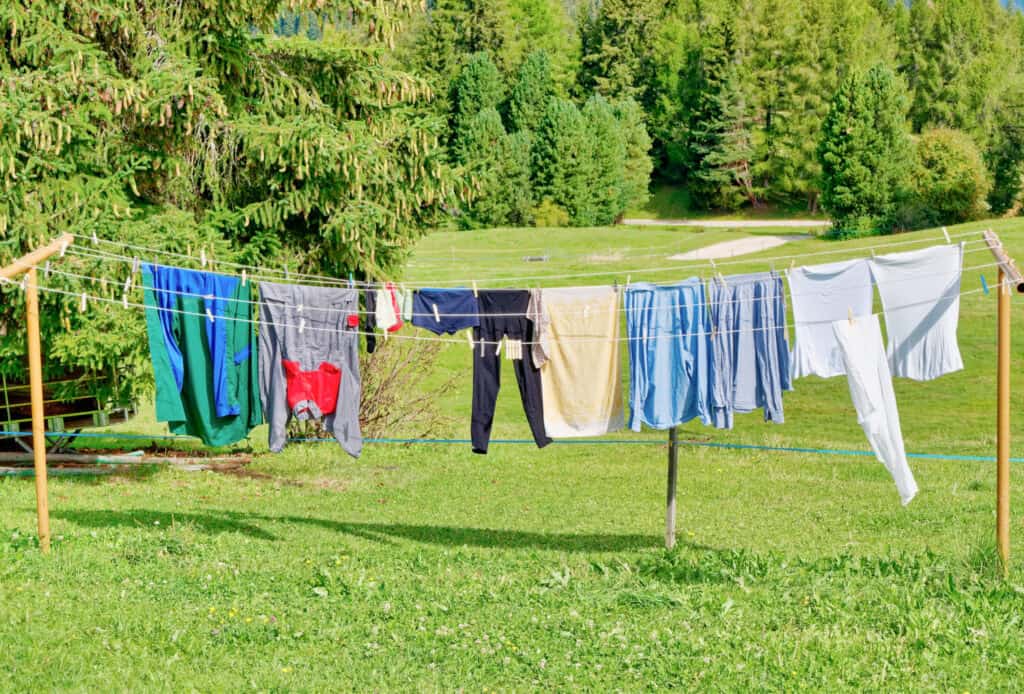
- Fixed clotheslines: These give you plenty of space and usually have 2–3 rows, perfect for a larger family or lots of laundry at once.
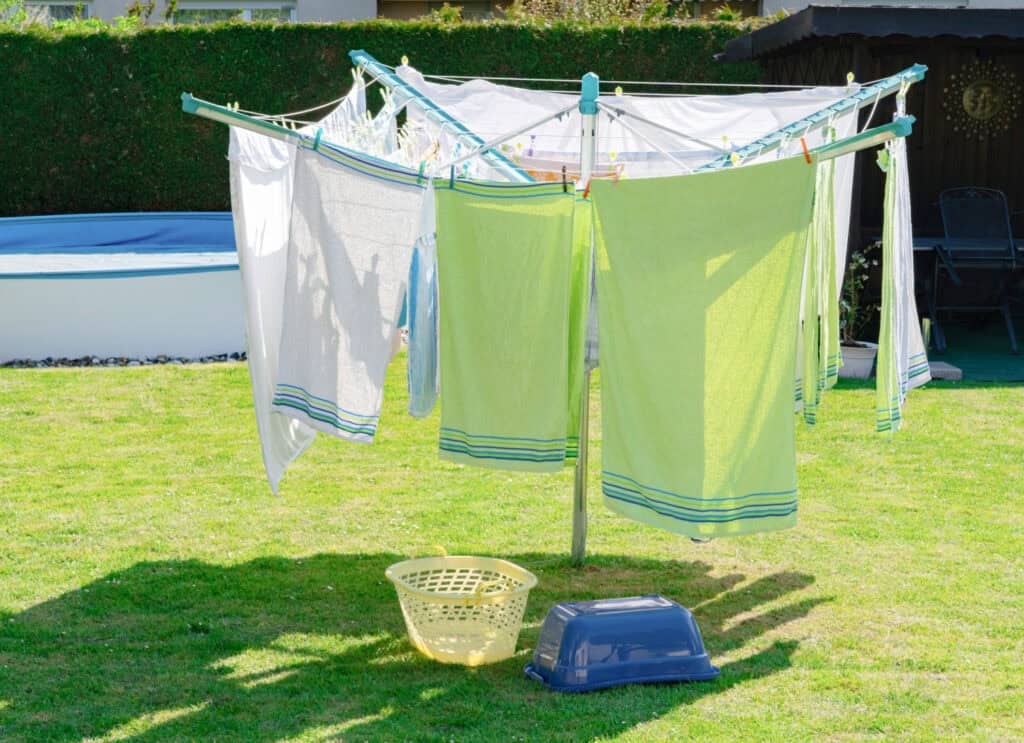
- Rotary clotheslines: These are great if you have a smaller yard, they spin to fit a surprising amount of clothes in a compact space.
- Retractable clotheslines: Perfect for patios or shared spaces, these lines can be pulled out when you need them and tucked away when you don’t.
Use the Right Pins and Hangers
Having the right pins and hangers makes line drying much easier and helps avoid frustration. Cheap or weak clips can break mid-dry, sending socks and blouses tumbling to the ground, so it’s worth investing in a few sturdy clothespins. You don’t need to spend a fortune, just skip the flimsy packs from the dollar store.
Keep a few strong hangers on hand for larger items like coats, dresses, or sweaters. For smaller items like socks, bras, or tank tops, consider using space-saving hangers or multi-clip options. They hold several pieces at once and keep your line organized.
Tip: Keep a breathable bag that holds your clothespins with your laundry basket that can hang right on the line. This will make it simple to grab what you need while you’re hanging things up. Everything stays organized, and you won’t waste time searching for missing pins.
48 Pack Plastic Clothes Pins Heavy Duty Outdoor for Hanging Clothes, Colored Clothespins Clips with Springs Clothes Drying Line Pegs with Mesh Clothes pin Bag,Crafts Picture Clips Food Package Clips (Pack of 50) Wooden Clothespins About 2-7/8(50PCS) Stainless Steel Laundry Clothes Pins Heavy Duty Outdoor, Clothespins for Hanging Clothes, Metal Clips, Metal Snack Bag Chip Clips for Food Packages, Mini Clothes pins


Hang with care, not just speed.
The key to line-dried clothes that keep their shape is all in how you hang them. It’s tempting to just toss items on the line and move on, but taking a little extra time pays off. Give each piece a gentle shake before pinning, it helps it dry faster and keeps wrinkles to a minimum.
Next, think about the wind. Pin items securely and hang them so the breeze flows through the fabric rather than pushing against it. Use enough pins to hold each item in place, and for shirts or blouses on hangers, button them up so they stay straight and don’t stretch.
A few extra seconds with each item can make a big difference, keeping your clothes looking crisp and preventing those frustrating stretch spots or droopy sleeves.
Build a routine that works for you
Line drying works best when it becomes part of a consistent routine. Try setting a small habit of taking laundry out in the morning, giving each item a quick shake and smoothing it as you hang it. Check back in the late afternoon or early evening to gather everything in before the sun sets.
If the weather allows, take a few moments to enjoy the fresh air while you work, think of it as a functional step in your day rather than extra work. Over time, this rhythm becomes automatic: laundry isn’t just a chore to get through, but a straightforward part of your day that flows with your household schedule.
Remember to fold clothes soon after bringing them in to prevent wrinkles. Set up a space that’s comfortable to work at, like a kitchen table, a laundry room counter, or even a coffee table in the family room, so folding doesn’t feel like a chore.
Drying Tips for Different Clothing
Line drying works best when you hang each item in a way that suits its shape and weight. A few simple tips can help your clothes look their best while minimizing wind stretch and pin marks.
Tops and T-shirts – Clothespins or plastic clips
Give each shirt a gentle shake before hanging. Pin along seams or shoulders to avoid stretching and smooth out collars and hems. Space them out so they dry evenly. Using sturdy clothespins or plastic clips prevents sagging and keeps them secure in the wind.
Blouses and Button-Ups – Wood hanger
Button the tops and hang on a sturdy wood hanger to maintain shape. Hang inside out to prevent fading from direct sunlight. Smooth collars and cuffs as you hang to reduce wrinkles.
Jeans – Clothespins or heavy-duty clips
Hang heavier pants by the waistband or cuffs to prevent sagging. For long pants, fold over the line in sections to distribute weight evenly. Use strong clips to hold thick fabric securely in the wind.
Pants and Skirts – Clothespins or wood hanger
Fold longer skirts or pants over the line to avoid stretching. For delicate skirts, pin at the waistband or hem. Hanging on a wood hanger works well for structured skirts to maintain pleats or shape.
Small Items (Socks, Underwear, Tank Tops) – Mini clothespins or multi-clip hanger
Use mini clips or a multi-clip hanger to keep several small items together. Pin at the top or along seams to prevent misshaping, and consider a mesh bag for extra protection if it’s windy. Space them out so air can flow between each item.
Dresses – Wood hanger or clothespins
Fold long dresses over the line in sections to prevent dragging. For delicate fabrics, hang inside out and use a few extra pins along seams. Wood hangers work well for structured dresses or heavier fabrics, keeping shoulders and necklines in shape.
JS HANGER A Shape Clothes Drying Rack Folding Outdoor Clothesline, Heavy Duty Stainless Steel Laundry Drying Rack, Foldable Portable Clothing Dryer 46 FeetRetractable Clothesline Outdoor, Wall Mounted Drying Rack Clothesline Indoor, 16.7 Ft Stainless Steel Wire Double Clothes Lines, Hanging Clothes line for Balcony, Bathroom, Courtyards, Laundry(Grey)Household Essentials 17120-1 Rotary Outdoor Umbrella Drying Rack | Aluminum Arms and Steel Post | 12-Lines with 165 ft. Clothesline


Hoodies and Sweatshirts – Clothespins or sturdy hanger
Hang heavier hoodies over the line or on a strong hanger, smoothing out sleeves. Pin lightly if needed to prevent wind from flipping the hoodie and stretching the shoulders. Avoid hanging by the hood, which can distort the shape.
Kid’s Clothes – Mini clothespins or small hangers
Use smaller pins or hangers to prevent slipping. Lightweight fabrics dry quickly, so separate them from heavier items to avoid uneven drying. For baby clothes, mesh bags or mini hangers work well to keep tiny socks and onesies secure.
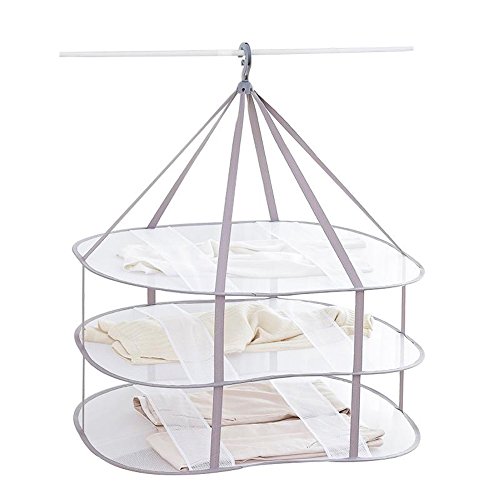
Sweaters – Flat drying rack or wooden hanger
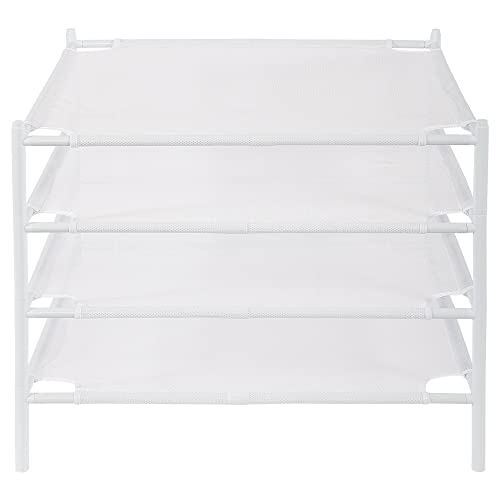
Sweaters do best lying flat on a drying rack rather than hanging directly on the line, which can cause stretching. If you want that fresh outdoor scent, place the rack on your patio or porch. Another option: dry the sweater most of the way on the flat rack, then fold it over a sturdy wooden hanger to finish drying on the line without stretching the fabric.
STO STO Sweater Drying Rack, 4-Pack Stackable Mesh Clothes Drying Rack, Laundry Drying Rack for Sweaters, Socks, Toys, WhiteLooca 3-Tier Folded Mesh Clothes Hanging Dryer Sweater Drying Rack 30.3OXO Good Grips Folding Sweater Dryer, White, 26

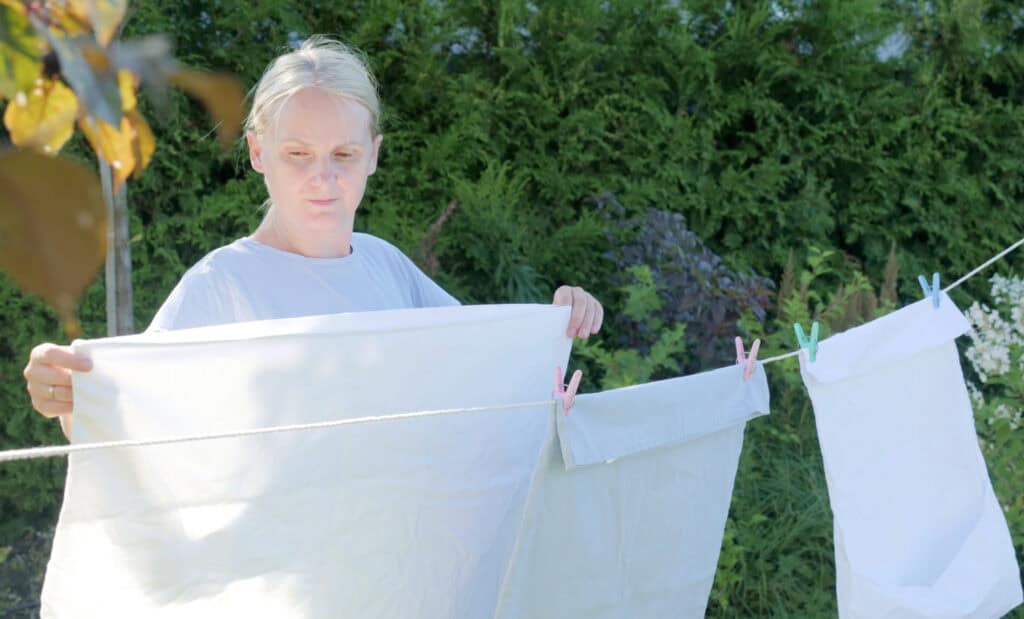
Linens (Sheets, Tablecloths, Pillowcases) – Clothespins
Fold over the line in sections to prevent dragging. Give each piece a gentle shake before pinning, gravity will take care of any wrinkles and sunlight will take care of deodorizing. Pin evenly across the width to keep fabric from sagging, and for long lines, drape over multiple rows to distribute weight.
Delicates (Silk, Lace, Fine Fabrics) – Clothespins or mesh drying bag
Pin along seams instead of the fabric itself, or use a mesh bag over the line for extra protection. Hang inside out to protect colors. For very delicate items, a flat drying rack works well on a patio or porch.
Coats and Heavy Items – Sturdy hanger
Hang coats on a strong, sturdy hanger, or use two hangers for extra support if needed. Heavy items dry slowly on the line, but this gentle method avoids the heat damage that can dull fabrics in a dryer. Smooth out sleeves and padding before hanging, and avoid hanging by hoods or belts, which can distort the shape.
What Should Not Be Hung Out to Dry
Some items just don’t do well on a line. Hanging the wrong fabrics can cause stretching, fading, or damage. Here’s what to watch out for:
- Heavy knits and wool coats – Can stretch or lose shape; best dried flat on a rack or indoors.
- Delicate silks and lace (without protection) – Sun and wind can damage fabrics; use a mesh drying bag or dry indoors away from direct sunlight.
- Items with leather, suede, or fur – Can warp, crack, or lose texture; stick to specialized drying methods.
- Clothes with heavy embellishments (sequins, beads, appliqués) – May get pulled or damaged; dry flat or on a hanger that fully supports the weight.
- Pre-shrunk or very stretchy garments (spandex-heavy) – Can warp or lose elasticity; lay flat to maintain shape.
Tip: A simple rule of thumb: if the item is delicate, heavy, or could lose shape under gravity, it’s safer to dry it flat or indoors.
How to Dry Clothes in the Winter
Line drying in winter can feel tricky, but with a few adjustments, it’s completely doable, and your clothes can still come out fresh and wrinkle-free. Here’s how to make it work:
- Use a sunny or sheltered spot – Even in winter, sunlight helps clothes dry faster and keeps them smelling fresh. If the line is exposed to harsh wind or snow, try a covered porch, balcony, or backyard area shielded from gusts.
- Space items for airflow – Cold air holds less moisture, so give each piece plenty of room to breathe. Overlapping clothes will slow drying and can make fabrics feel damp longer.
- Bring clothes in if it’s freezing – Water can freeze on the line in extreme temperatures. If this happens, bring items indoors and finish drying them on a rack or over a radiator.
- Use indoor racks strategically – Drying racks near a sunny window or a well-ventilated room work well for heavier fabrics. For faster drying, rotate items halfway through.
- Choose fabrics wisely – Lightweight items like shirts, tank tops, and undergarments dry faster in cold weather. Save bulky items like jeans, hoodies, and towels for a warmer day or indoors on a rack.
- Don’t overpin – Cold weather makes fabric stiffer, so too many pins can leave marks. Use only what’s needed to hold items in place.
Line drying isn’t just about clean clothes, it’s about slowing down, caring for your wardrobe, and adding a little more intention to your day. With these tips from The Art of Line Drying Laundry, you can create a routine that’s frugal, practical, and kind to your fabrics.
Whether you’re hanging T-shirts, sweaters, or heavy coats, the right tools, techniques, and habits make all the difference. Give it a try, you might just find this simple skill becomes one of the most satisfying parts of your day.
