
October Homesteading to-do List
October on the homestead is when everything begins to shift. The busy growing season is winding down, cooler weather is settling in, and it’s time to start preparing your home, animals, and land for the months ahead.
This October homesteading to-do list, along with practical homesteading tips, will help you focus on what actually needs to get done without feeling overwhelmed.
For many of us, October is one of the most satisfying months of the year. Gardens are finishing up, animals are settling into fall routines, and the slower pace makes it easier to step back, take stock, and prepare for winter.
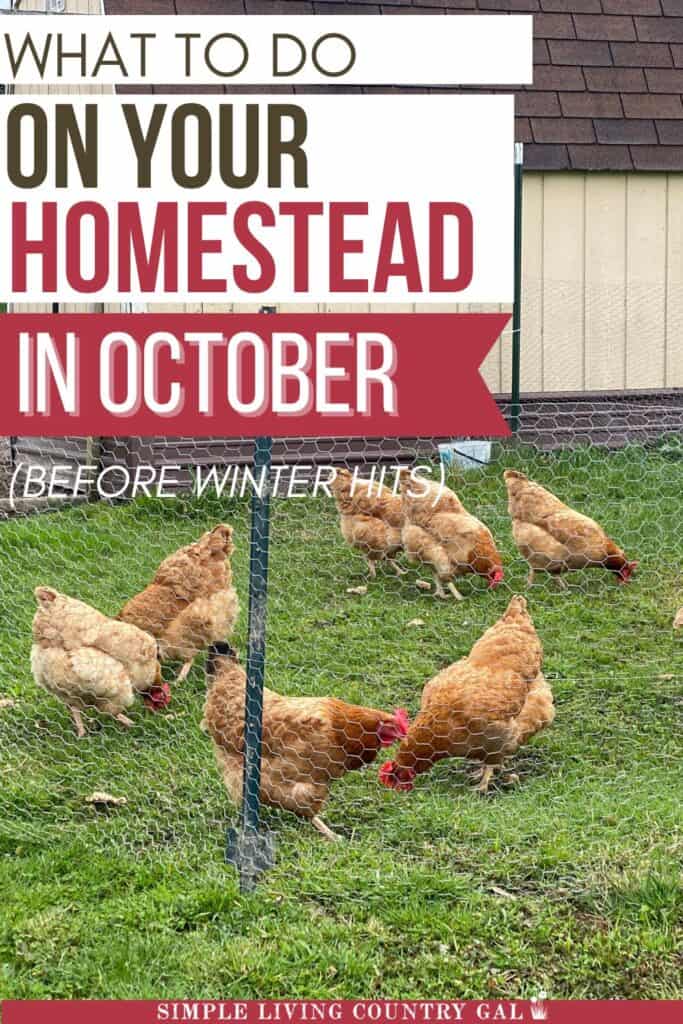
I love October. The smell of the leaves, the cool evenings, the quiet mornings. There’s something about this time of year that feels like nature is showing off.
But October also marks the beginning of the cold weather season… and I’ll be honest, that part is not my favorite.
On the homestead, this month is all about preparation. It’s the time to start buttoning things up before frost and snow arrive. Gardens are finishing up, animals need more attention, and there are always a handful of outdoor projects that are much easier to tackle now rather than in freezing temperatures.
My best advice? Enlist a little help if you can. October can get busy quickly, and having an extra set of hands makes it much easier to make steady progress without burning yourself out.

October Homesteading To-Do List
Since there’s quite a bit to do, be sure to grab the FREE October Homesteading To-Do List below so you can follow along and get everything ready for winter.
GENERAL LIVESTOCK CARE
#1. Walk through animal shelters with fresh eyes, look for drafts, loose boards, or small repairs before the cold weather settles in. Fixing things now is much easier than doing it in freezing temperatures.
#2. Increase bedding as nights get colder. A deeper bedding layer helps animals stay warm and keeps moisture down inside barns and shelters.
#3. Check fencing and gates before snow arrives. Take time now to tighten wires, secure posts, and make sure gates close properly.
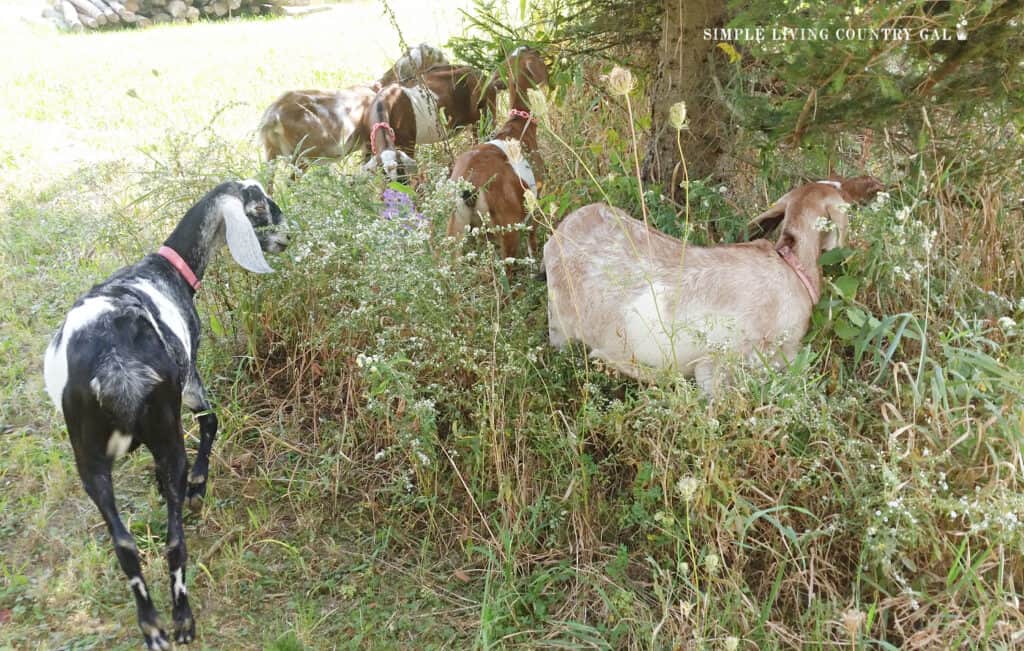
#4. Observe body condition on your animals. As temperatures drop, animals burn more calories staying warm. October is a good time to watch weight and make small adjustments before winter really sets in.
NUTRITION & HEALTH
#5. Begin adjusting feed for colder weather. Animals often need a little extra nutrition heading into winter, especially if pasture growth is slowing down.
#6. Restock minerals and loose salt. Keeping minerals available year-round supports immune health and helps animals better handle the colder weather.
#7. Check water sources daily. Check for frozen water and change out daily to ensure your animals stay hydrated.
REDMOND Goat Mineral Rock on a Rope, Unrefined Salt (3-5 LB Rock) REDMOND Goat Mineral Supplement Mix, Unrefined Salt (5 LB)Evolved Habitats 94010 Billy Goat Mineral Supplement Treat Block – Berry Bush – 4 lbs.


FALL ANIMAL TRANSITIONS
#8. Move animals off pasture if grass growth has slowed. Many northern pastures begin to fade in October. Begin transitioning animals to hay or stored feed if needed.
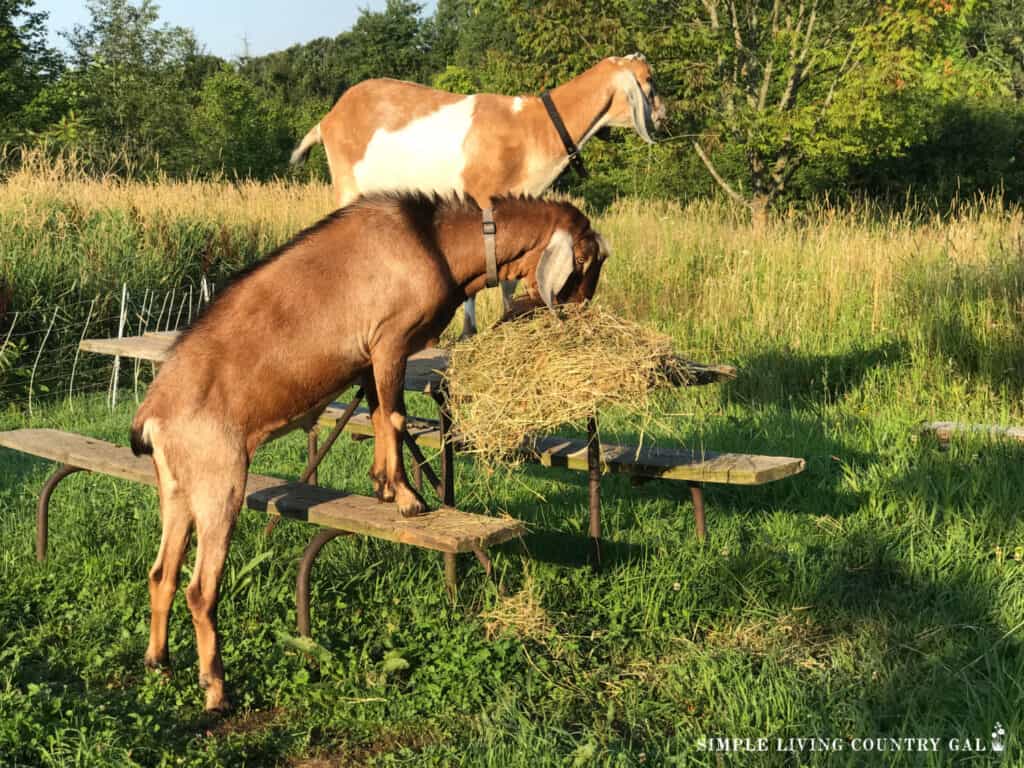
#9. Prepare winter feeding areas. Choose dry, well-drained locations for hay feeding so mud and manure buildup stay manageable.
#10. Keep routines steady as the seasons change. Animals handle seasonal changes better when feeding times and daily routines stay consistent.
CHICKEN COOP
October can be a big transition month for backyard flocks. Shorter daylight hours and cooler temperatures mean egg production may slow and coop conditions become more important.
COOP CARE & MAINTENANCE
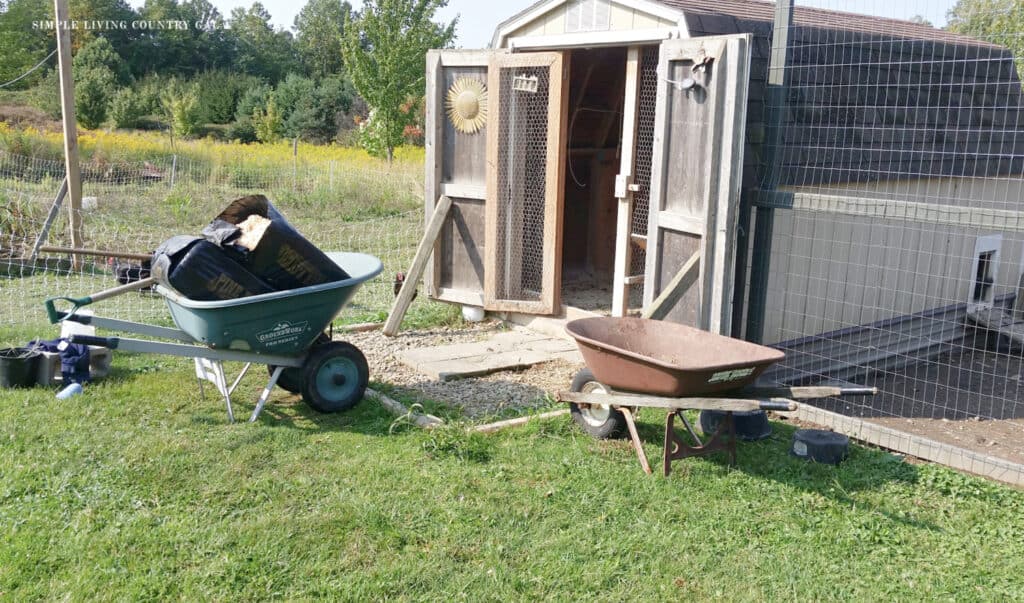
#11. Walk through the coop checking for drafts or gaps to prepare for winter. Small openings can let in cold air and predators. October is a great time to seal cracks and reinforce weak spots.
#12. Replace old bedding with fresh, dry material. Clean bedding helps keep the coop dry and comfortable as the weather becomes wetter and colder.
#13. Check ventilation openings. Good airflow prevents moisture buildup in winter, but vents should not create direct drafts on the roosts.
NESTING BOXES & EGGS
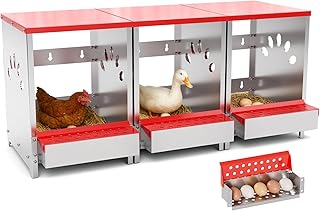
#14. Refresh nesting box bedding. Clean straw or shavings keep eggs cleaner and reduce the chance of cracked shells.
#15. Continue collecting eggs daily. Cooler temperatures can cause eggs to chill quickly, so regular collection helps prevent spoilage.
Chicken Nesting Box 3 Compartments – Wall Mount Wooden Egg Laying Nest Box for Chicken Coop, Easy to Assemble & Versatile Use for Hens, Ducks, ChickensNest Box Pads for Chicken Nesting Boxes – 13 x 13 Pads Made in USA from Sustainably Sourced Aspen Excelsior (10 Pack)Chicken Nesting Boxes, 3 Hole Large Metal Hen Laying Box with Swing Perch and Roll Away Egg Collection, Wall Mountable with Vented Holes for Chickens Ducks Birds


WATER, FEED & FLOCK HEALTH
#16. Deep clean feeders and waterers. A quick scrub removes buildup that can lead to mold or bacteria as humidity increases.
#17. Watch for molting birds. Many chickens begin molting in the fall, which can slow egg production while they regrow feathers.
#18. Check flock body condition. Healthy birds should feel solid and active heading into winter.
GARDEN
By October, most northern gardens are winding down. This is the time to focus on cleaning up beds and preparing soil for next spring.
PLANNING & PREP
#19. Remove finished plants from garden beds. Clearing out spent plants helps prevent pests and disease from carrying over into next year.
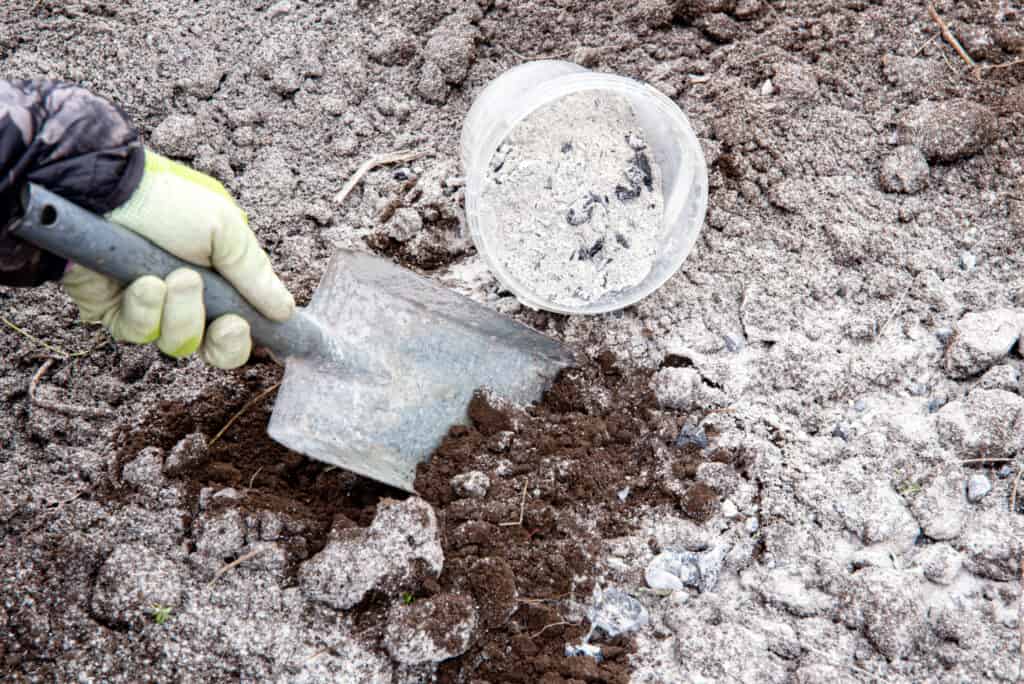
#20. Add compost or organic matter to beds. Fall is a great time to feed the soil so it is ready to go when spring planting begins.
SEEDS & SUPPLIES
#21. Store leftover seeds properly. Cool, dry storage helps seeds stay viable for next year’s garden.
#22. Take inventory of garden supplies. Make note of tools, soil amendments, or supplies you may want to replace over the winter.
GARDEN BEDS, TOOLS & OUTDOOR PREP
#23. Clean and store garden tools. A quick cleaning and sharpening now helps tools last longer and keeps them ready for spring.
#24. Drain and store hoses if freezing temperatures are near. Freezing water inside hoses can cause cracking and damage.
#25. Cover or protect garden beds if needed. Mulch, straw, or cover crops can help protect soil during the winter months.
BARN AND OUTBUILDINGS
October is one of the best months to inspect outdoor structures before winter weather arrives.
STRUCTURE & SAFETY
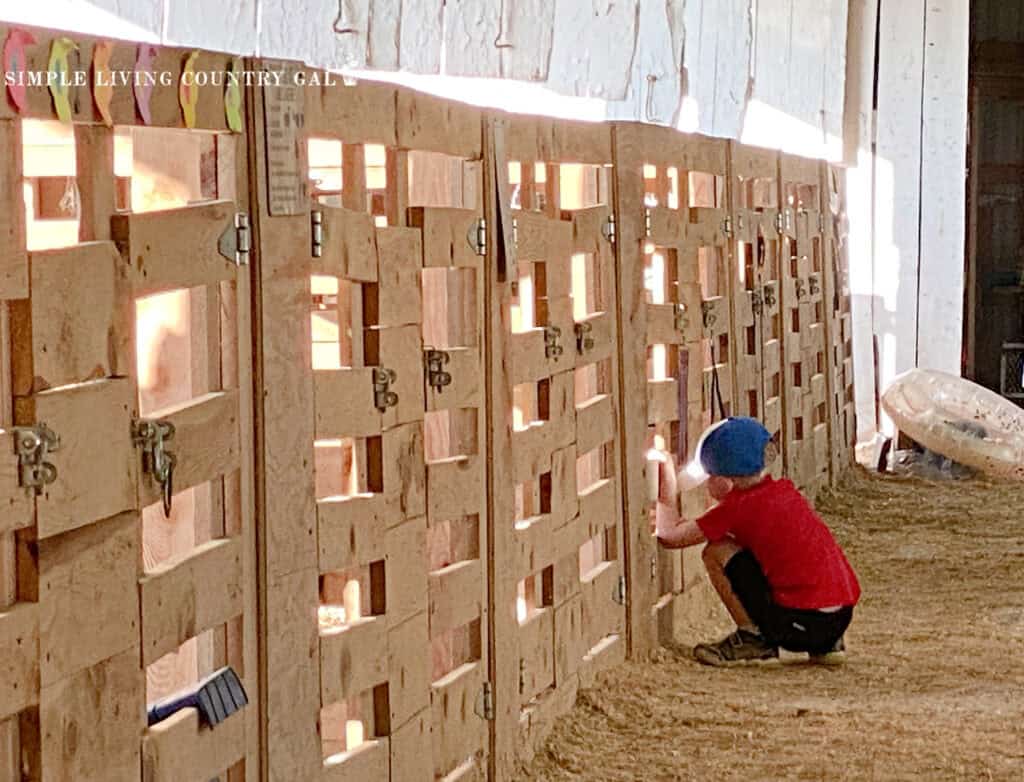
#26. Walk through barns and sheds looking for damage. Check roofs, siding, and doors for issues that could let in snow or rain.
#27. Test doors, hinges, and latches. Cold weather can make stiff hardware even harder to use, so a little oil now goes a long way.
#28. Look for areas where wind may enter. Blocking drafts where possible helps keep animals and supplies protected.
STORAGE & ORGANIZATION
#29. Take stock of feed, bedding, and supplies. Knowing what you have on hand helps prevent last-minute winter runs to the feed store.
#30. Store feed in sealed containers. Rodents often become more active in fall looking for food.
#31. Organize barn walkways and work areas. Clear paths make daily chores safer once snow and ice arrive.
TOOLS & EQUIPMENT
#32. Clean and store equipment that won’t be used until spring. Proper storage helps tools last longer and prevents rust.
#33. Check extension cords and heaters used for winter chores. Make sure everything is in good working condition before cold weather arrives.
PLANNING
October is a natural pause in the homesteading year. Many of the big outdoor projects are wrapping up, making it a good time to think ahead.
REVIEW & REFLECT
#34. Look back at this year’s garden and animal notes. Take note of what worked well and what you might want to adjust next year.
#35. Let go of unfinished projects that no longer matter. Homesteading seasons are busy, and not everything needs to be carried forward.
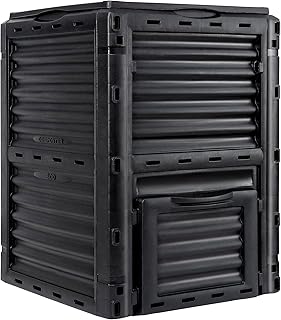
Compost Tumbler Bin Composter Dual Chamber 43 Gallon (Bundled with Pearson’s Gardening Gloves)Geobin Compost Bin – 246 Gallon, Expandable, Easy Assembly, Made in The USA, Outdoor & Backyard ComposterJupiterForce Garden Compost Bin 80 Gallon (300 L) from BPA Free Material, Large Composting Bin Outdoor Composter, Easy Assembling, Fast Creation of Fertile Soil, Lightweight, Black


GARDEN, LIVESTOCK & SEASONAL PLANNING
#36. Start sketching ideas for next year’s garden. Even a rough plan now can save time and money when spring arrives.
#37. Review livestock plans for the coming months. Consider feed needs, shelter space, and any changes you want to make to your herd or flock.
PROPERTY & PROJECT PLANNING
#38. Walk your property and make notes of fall cleanup tasks. Look for fallen branches, drainage issues, or repairs that should happen before snow.
SCHEDULING & BUDGETING
#39. Plan winter projects that can be done indoors. Tool maintenance, planning, and organizing projects are perfect for the quieter winter months.
#40. Write down expected winter expenses. Planning ahead for feed, bedding, and supplies can help spread costs out and avoid surprises.
Wrapping Up October on the Homestead
October can feel busy on the homestead, but in a different way than spring or summer. Much of what you’re doing this month is preparation. Walking through the barn, cleaning up the garden beds, checking fences, and making sure everyone has what they need before winter arrives.
It may not always feel exciting, but these small tasks now make the colder months ahead much easier to manage.
This October homesteading to-do list isn’t meant to be something you tackle all at once. Think of it more as a guide. Pick a few tasks that make sense for where you live, the animals you care for, and the time you have available.
Winter will arrive soon enough. For now, steady progress and a little preparation go a long way.
