
May Homesteading To-Do List
May on the homestead is when everything shifts into motion. This May homesteading to-do list, paired with practical Homesteading tips, will help you stay focused as gardens go in, animals move to pasture, and outdoor projects pick up speed.
After months of planning and prepping, May is where the real work begins, especially in northern areas where planting season finally arrives. Instead of feeling overwhelmed by everything happening at once, this list will help you prioritize what truly matters so you can move into summer prepared, steady, and confident.
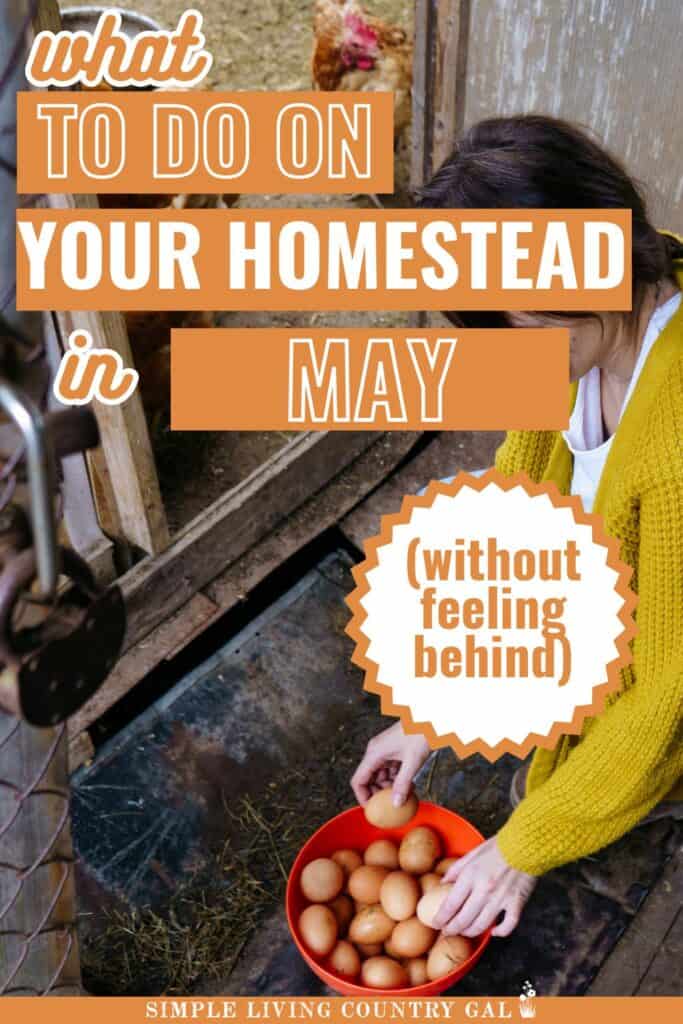
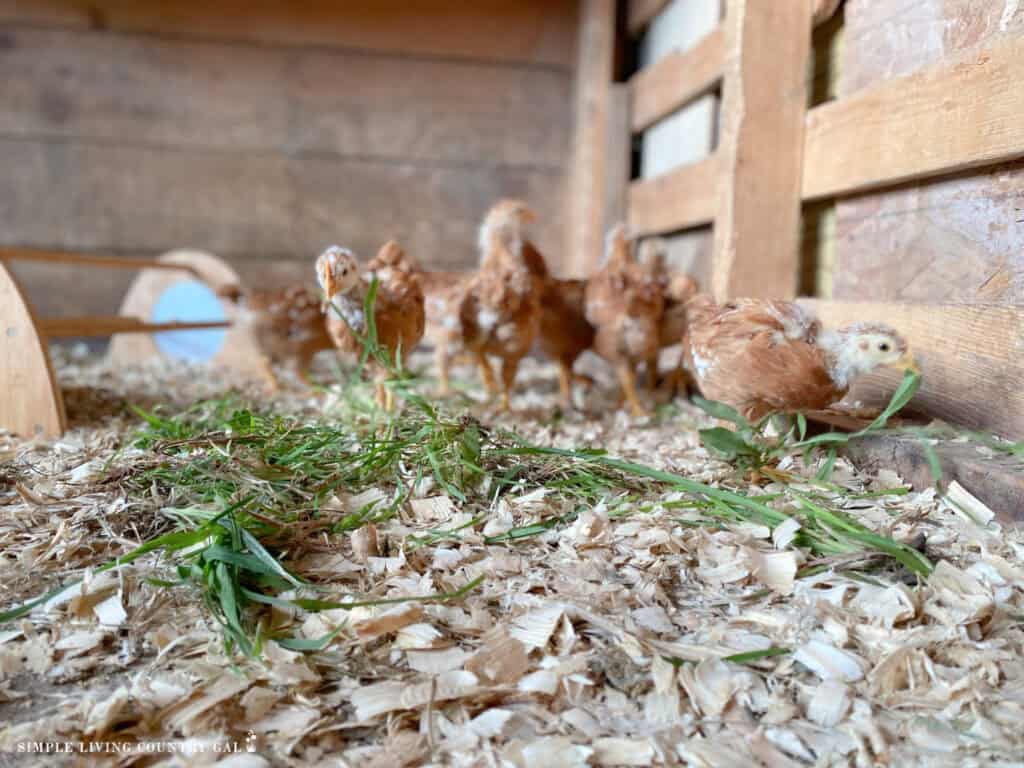
May might just be one of my favorite times of the year. Winter is finally over (fingers crossed), onions and garlic are in the ground and growing, goat kids and baby chicks are getting bigger by the day, and we can finally throw open the windows and air out the house.
There’s something about fresh air moving through the rooms after a long winter that makes everything feel possible again.
May is also when things get busy. Project season officially begins, and suddenly the list feels longer than the daylight hours. From gardens to barn repairs, there’s more to do than minutes on the clock.
Having a simple plan for what to expect helps you map things out so you’re getting things done while still giving your attention where it’s needed most.
If having it all written down helps you stay on track, be sure to grab the FREE May Homesteading Checklist below and use it as your seasonal roadmap.
May Homesteading To-Do List
May is when preparation starts turning into action. The quiet planning of winter and early spring begins to pay off, and now it’s time to get things moving.
In northern areas, planting may still be staggered depending on frost dates, so always check your planting zone map before putting tender crops in the ground. In southern areas, you may already be well underway. Either way, May is about steady progress and making the most of the longer days.
LIVESTOCK
May is when things really start to really gear up as everyone seems ready to stretch their legs and get outdoors. Around here, we don’t flip the switch all at once. We ease into pasture, watch the ground, and let both the animals and the land adjust slowly.
This month isn’t about big overhauls. It’s about paying attention and making small shifts that set you up for an easier summer.
General Livestock Care
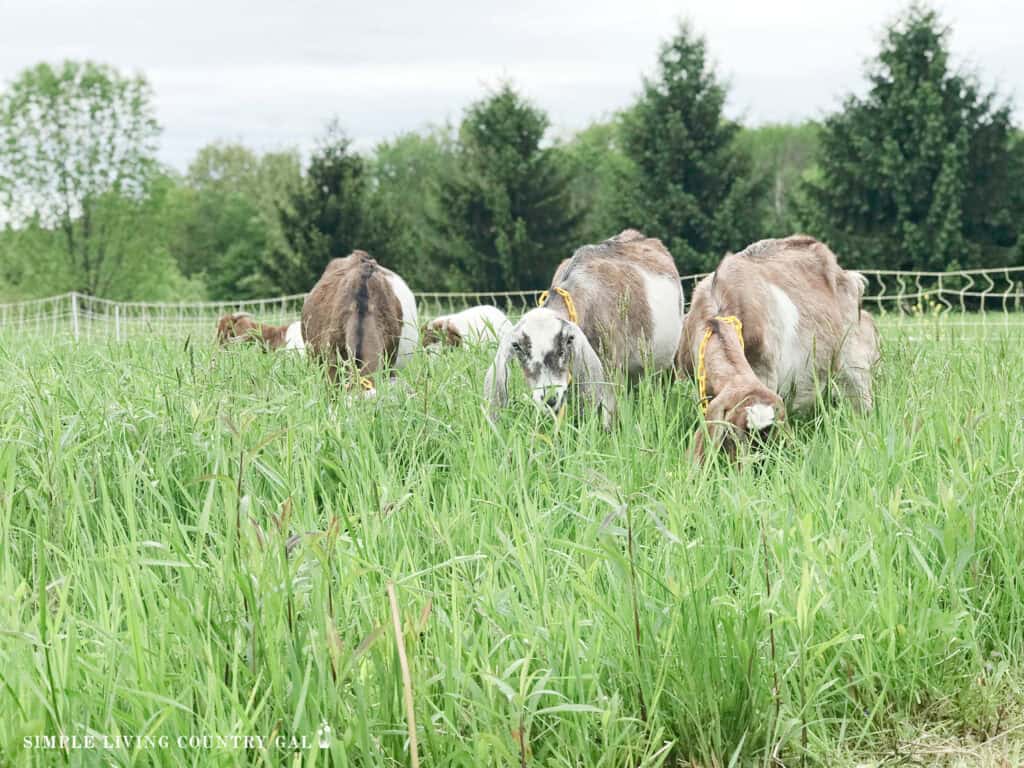
#1. Start letting animals out to graze a little at a time instead of turning them loose all day right away. Slow transitions protect both their systems and your pasture.
#2. Keep an eye on how wet the ground still is and walk your fencing and gates before pasture time increases. It’s easier to fix things now than chase someone down later.
#3. Freshen up shelters and check hooves and overall body condition after a winter indoors. Small issues are easier to handle before summer routines get busy.
#4. Take a few extra minutes to watch the babies. They grow quickly this month, and subtle changes show up fast.
Nutrition & Health
#5. Ease animals from hay to grass slowly so their systems have time to adjust.
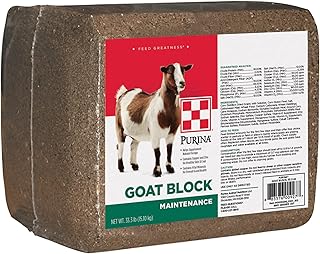
#6. Keep minerals available and refresh water daily as temperatures start to climb.
#7. Monitor body condition during the pasture transition to be sure everyone is thriving.
REDMOND Goat Mineral 25lb Bag 6 Pack Hanging Goat Feeder & Duck Feed Trough, 5 Qt Fence Mounted Livestock Manger – Heavy Duty Plastic Mineral Bucket & Waterer for Sheep, Piglets, Deer & Poultry.Purina | Goat Mineral Supplement Block for All Types and Lifestages | 33 Pound (33 lb.) Block


Pasture & Seasonal Transition
#8. Rotate grazing areas if possible and walk pasture regularly to check for debris, weak spots, or early weeds.
#9. Watch closely for signs of bloat when animals first start grazing lush spring grass.
#10. Keep routines steady so seasonal changes don’t create unnecessary stress.
CHICKEN COOP
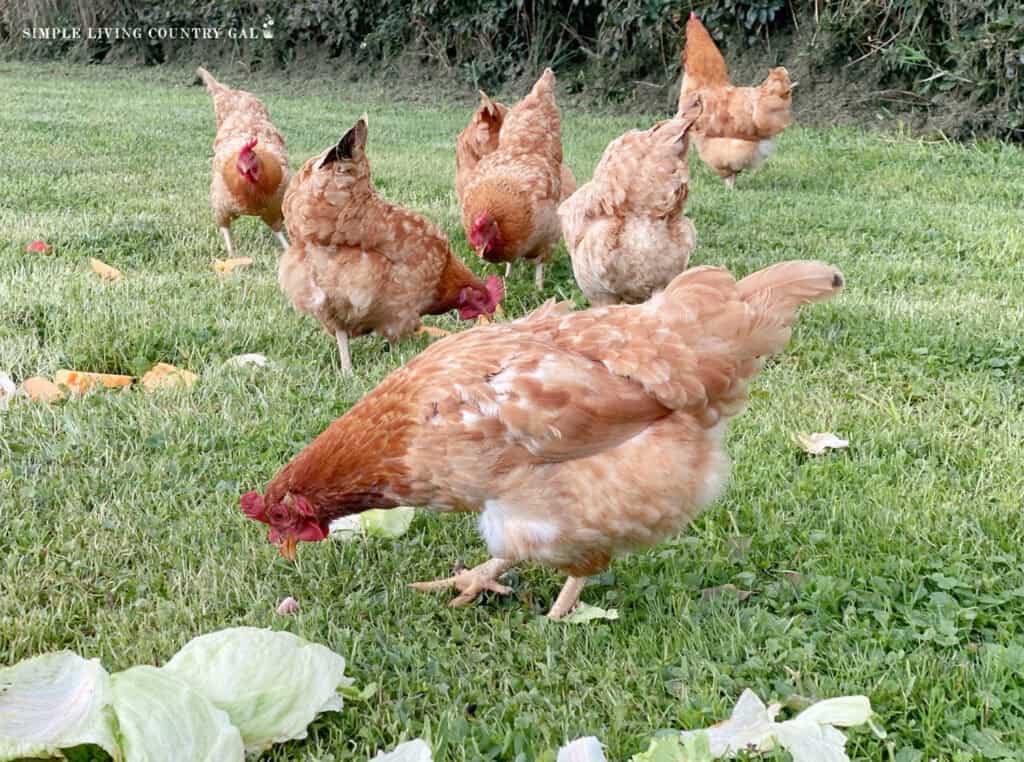
May in the coop feels more energetic. The days are longer, egg production usually picks up, and everyone seems more active at chore time as they are eager to get outdoors. It’s a good month to freshen things up and make sure you’re set before summer heat settles in.
You don’t need to overhaul everything. Just stay ahead of the small things so they don’t turn into big ones later.
Coop Check & Maintenance
#11. Walk through the coop and run to check for winter damage, ventilation issues, and damp areas.
#12. Add fresh bedding and address muddy or worn-down spots in the run.
Nesting Boxes & Eggs
#13. Refresh nesting box bedding and collect eggs daily as production increases.
#14. Pay attention to shell quality and laying patterns as daylight hours grow.
WATER, FEED & FLOCK HEALTH
#15. Clean waterers and feeders often as warmer weather encourages algae, moisture, and pests.
#16. Keep feed stored securely and dry as humidity rises.
#17. Handle birds occasionally to check body condition and watch for mites or lice.
#18. Provide shaded areas in the run as sun exposure increases.
Planning Ahead
19. Decide if you’ll be adding new chicks this season and prepare space if needed, keeping summer heat in mind.
GARDEN
May is where all that winter planning finally turns into dirt under your nails. In northern areas, you’re probably still watching frost dates early in the month, but by the end of May, planting season is usually in full swing. In warmer zones, you may already be harvesting your early crops.
This month can feel like a race, but it doesn’t have to be. Keep things steady doing a little a day so you are not faced with a marathon weekend of garden chores.
Planning & Prep
#20. Check your planting zone and last frost date before putting tender crops in the ground.
#21. Review your garden plan and adjust based on space, weather, and your energy this season.
#22. Prep garden beds by adding compost or soil amendments and raking smooth before planting begins.
Seeds & Supplies
#23. Double-check seed inventory and gather any last-minute supplies like mulch, stakes, cages, or row covers.
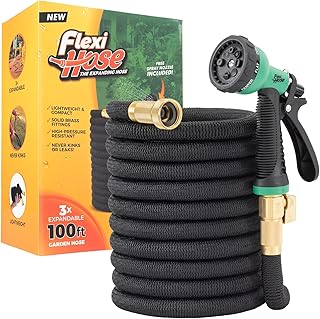
#24. Test irrigation systems or hoses before heavy use begins.
MIXC 230FT Quick-Connect Drip Irrigation System Kit, Automatic Garden Watering System with 1/4Flexi Hose Expandable Garden Hose with 8 Function Nozzle, 100FT – Lightweight Retractable Garden Hose, Water Hose – No-Kink Flexibility, 3/4 Inch Solid Brass Fittings and Double Latex CoreMIXC 50Ft 1/4


Planting & Transplanting
#25. Direct sow cool-season crops if soil is workable.
#26. Transplant hardened-off seedlings once frost risk has passed and nights stay consistently warm.
#27. Succession plant quick growers to stagger harvest times.
#28. Water new plantings consistently and mulch young plants to retain moisture and reduce weeds.
#29. Watch for early pest pressure and address small issues quickly.

Garden Tools & Infrastructure
#30. Clean and sharpen tools and repair or install supports before plants outgrow them.
#31. Inspect fencing to protect your hard work from deer or other critters.
BARN AND OUTBUILDINGS
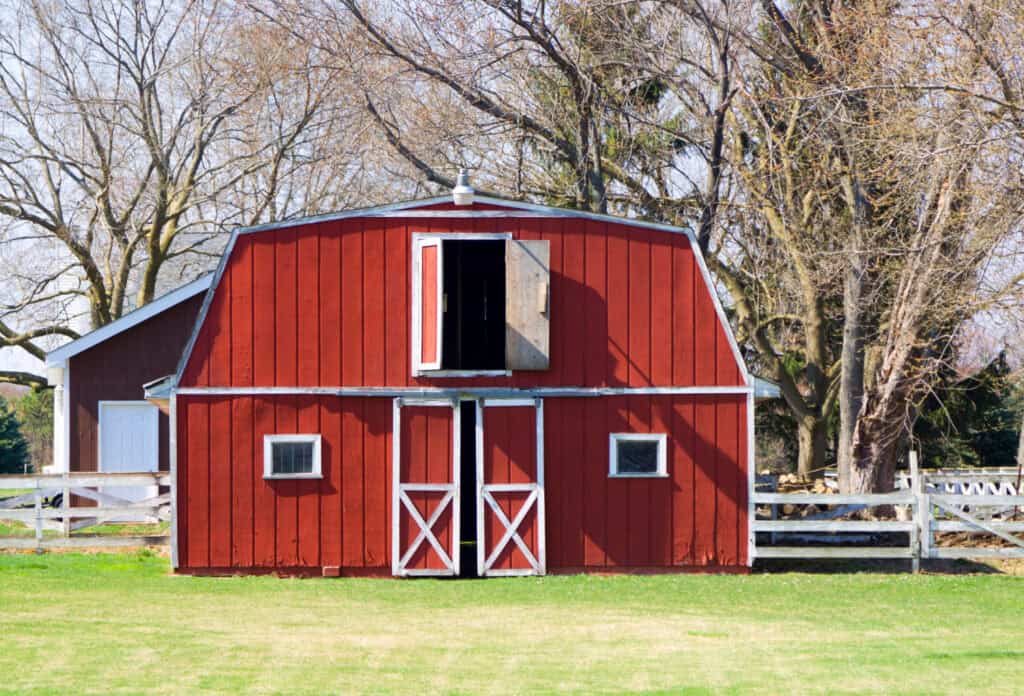
May is when you finally see what winter really did. Snow, ice, and wind have a way of loosening things up, and now that the weather is cooperating, it’s easier to fix what needs attention.
This doesn’t have to turn into a full renovation month. Just walk through with fresh eyes and handle what’s practical before summer projects pile up.
#32. Walk around barns and sheds to check for loose boards, roof damage, sagging areas, or anything winter quietly worked on.
#33. Check doors, hinges, and latches so everything opens and closes easily before chores get busier.
#34. Take stock of feed, bedding, and supplies and make sure storage areas are dry and secure as humidity rises.
#35. Clear out broken tools or leftover winter clutter so walkways stay safe and usable.
#36. Service or clean seasonal equipment now, before it’s in constant use and you’re short on time.
PLANNING
May has a way of filling every open minute if you let it. Between planting, pasture shifts, and small repairs, the days can disappear fast. A little intentional planning now helps you enjoy the work instead of constantly feeling behind.
This isn’t about making a perfect schedule. It’s about choosing what matters most before the busy weeks stack up.
#37. Look back at your spring goals and adjust them based on how planting and pasture transitions are actually going.
#38. Walk your property and make note of repairs, fence fixes, or summer projects you’d like to tackle once the ground fully firms up.
#39. Decide which projects truly need to happen this season and which ones can wait without causing stress.
#40. Make a simple list of upcoming expenses like feed, fencing, seeds, or equipment so nothing catches you off guard.
WRAPPING UP MAY ON THE HOMESTEAD
May can feel full in the best kind of way. The days are longer, things are finally growing, animals are stretching their legs, and projects that sat quietly all winter are now asking for attention.
But here’s the thing, you don’t have to do it all at once.
This May homesteading to-do list isn’t meant to be tackled in a single weekend. It’s a guide to help you stay focused on what matters most right now. Pick a few tasks that fit your location, your setup, and your energy, and let the rest unfold as it should.
Summer will come fast enough. For now, steady progress, simple care, and paying attention to what’s in front of you is more than enough.
