
Creating a Milking Routine for Dairy Goats
Creating a milking routine for dairy goats doesn’t have to be complicated—it’s all about finding a schedule that works for you and your herd. In this guide, we’ll cover tips for being efficient, getting the best-tasting milk, and taking care of yourself in the process.
Plus, we’ll touch on how to raise dairy goats in a way that fits seamlessly into your lifestyle, no matter where you are in life.
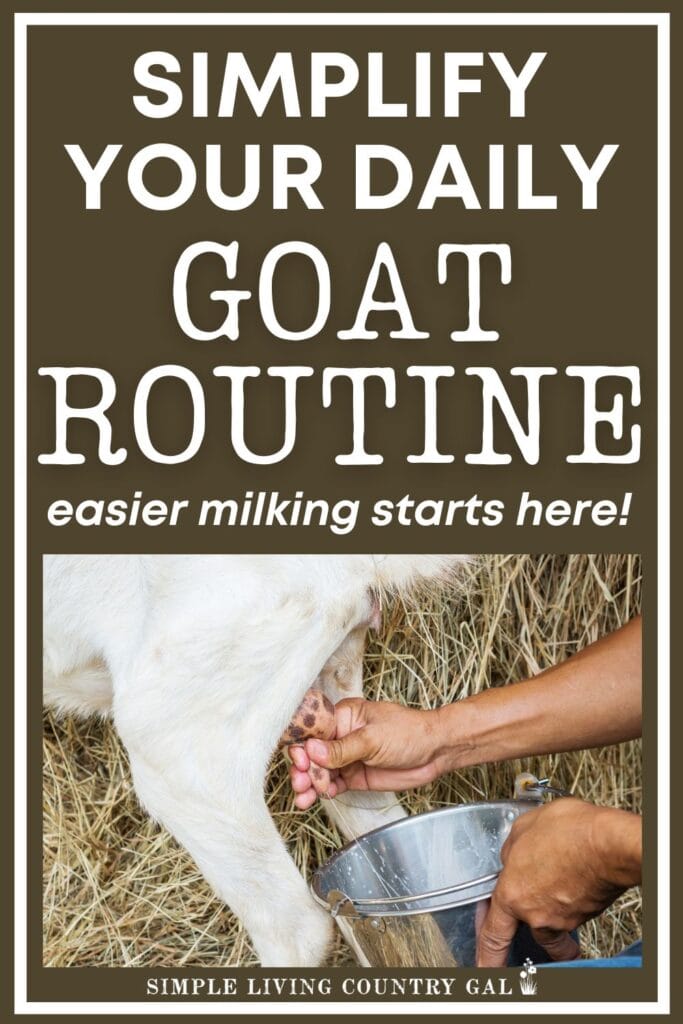
When I first started raising goats, I had no idea just how much a good routine could change everything. Back then, I was winging it—trying to keep up with all the chores and care my animals needed without much of a plan. It didn’t take long to realize that having a routine wasn’t just helpful for me; it made a huge difference for my herd too. Goats thrive on consistency, and knowing what’s happening and when helps them stay calm and relaxed.
Honestly, routines are what keep things from going completely off the rails. They’re the difference between a smooth, productive day in the barn and one where everything feels like chaos. But let’s be real—creating a routine isn’t always easy, especially when you’re just starting out. This guide is the result of years of trial and error (and plenty of flying by the seat of my pants). Now, things run so much smoother, and life in the milking stall is easier for everyone—goats included.

Creating a Milking Routine for Dairy Goats
Creating a milking routine for dairy goats can make all the difference between a smooth, stress-free day and one that leaves you pulling your hair out. A good routine doesn’t just keep things calm and organized—it can also mean more milk in your bucket, milk that tastes better, and happier goats in your barn.
1. Set Up Your Milking Space
Let’s start with the basics: setting up a milking area that works for both you and your goats. Trust me, a little effort here can save you a lot of hassle (and back pain) down the road. The goal is to make the process as comfortable and efficient as possible, especially if standing, bending, or kneeling for long periods isn’t your idea of fun.
Here are some tips to get you started:
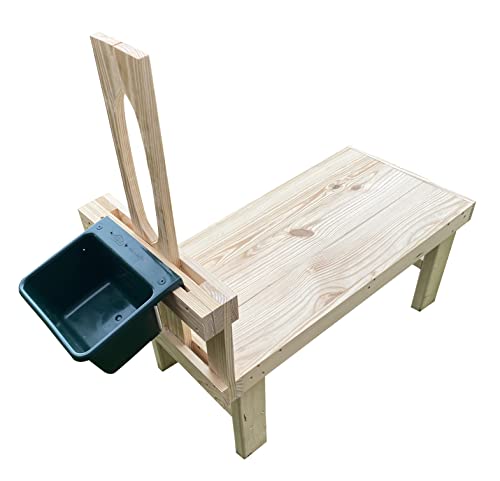
- Invest in a Milking Stand: A sturdy milking stand is a game-changer. It lifts your goat to a comfortable height, so you’re not hunched over, and your back and knees will thank you.
- Non-Slip Flooring: Add an anti-fatigue mat or rubber flooring to your milk stand and milking area. It’s easier on your joints and helps prevent any accidental slips from you and your goats.
- Seat Yourself: Use a low, stable stool or a garden kneeler with a cushioned seat to keep yourself at the right height for milking without straining.
- Keep Tools Handy: Store your pails, cloths, and other milking supplies within arm’s reach. If you have room for a shelf near to where you milk, this will keep things right where you need them.
Action Tip: Take a moment to check out your milking area. Does the layout work for both you and your goats? Make sure there’s a clear, straight path for your goats to easily get in and up on the stand.
Also, set up a safe, convenient spot for yourself with all your tools within arm’s reach. If you have no room for a shelf, a rolling cart can work well too.
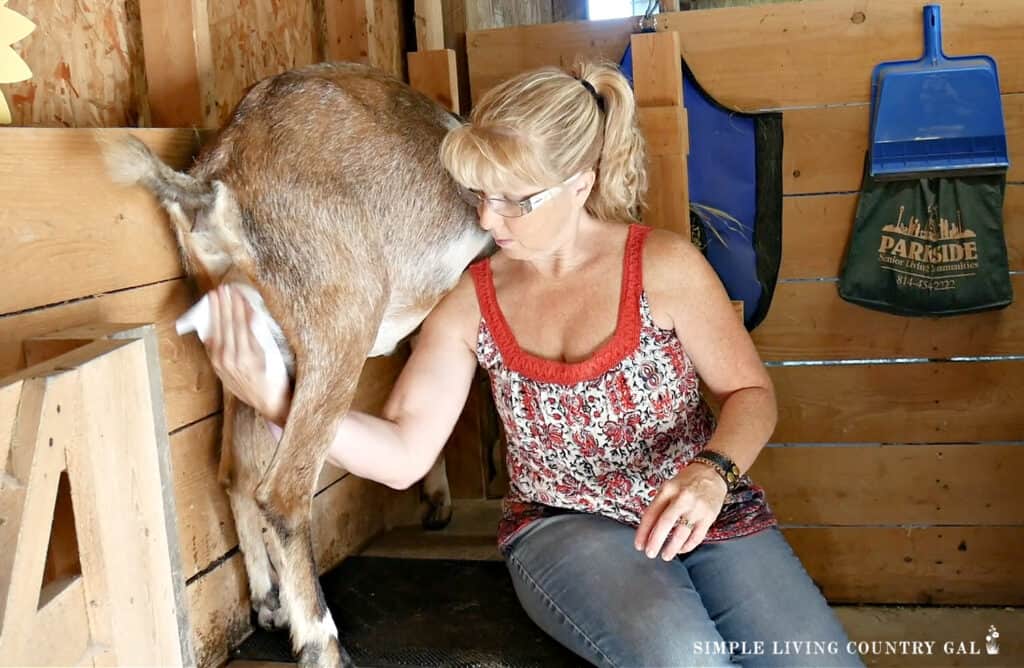
2. Create a Routine and Stick With It
Goats are creatures of habit, and they thrive on a consistent routine. Milking at the same time every day not only keeps your goats happy but also helps maintain steady milk production. Plus, a predictable schedule builds trust and calmness—super helpful when you’re just starting out or tweaking your setup.
Here’s how to get started:
- Start Small: If you’re new to this or juggling a busy schedule, don’t stress—milking once a day is totally fine to begin with. It’s all about finding what works for you.
- Set Reminders: Use timers or alarms to help you stick to the same milking time every day until it becomes second nature.
- Create Milking Cues: Train your goats that it’s milking time with gentle signals. This could be as simple as bringing out the grain or using a specific call as you set up.
Action Step: Take a look at your daily schedule and pick a milking time that fits naturally into your routine. Do you work during the day? Then a morning milking session might be your best bet. Prefer to sleep in? A late afternoon routine could work better for you.
The key is choosing a time that works for you and then training your goats to adjust to the new schedule—they’ll catch on quicker than you think.
Rugged Cross Creations Hoof Trimming and Large Goat Milking Stand with Feeder Bin Fabbay 4 Pcs Goat Hobbles Binding Tool for Milking Goat Milking Stand Nylon Leg Goat Milking Stand Black Goat Banding Kit Banding Tool Goats Hobble EquipmentBknius Feed Bin Goat Stand for Milking, 600LBs Goat Milking Stand, Sheep Trimming Hoof Table Iron Silver, Adjustable Size


3. Make Milking Easier with the Right Tools
Let’s face it—milking by hand can be a beautiful, hands-on experience, but it’s not always the easiest on your body. Luckily, there are plenty of modern tools that can make the process smoother, especially if you’re dealing with physical challenges or just want a more hands-free approach.
Here are a few ideas to lighten the load:
- Give a Hand Pump a Try: A hand-pump milking system is much easier on your hands and requires less effort than traditional hand milking which can cause cramping.
- Check Out Small-Scale Milking Machines: Electric or battery-powered milkers are a great option if repetitive motions or hand coordination are tough for you.
- Use Lightweight Containers: Opt for lightweight plastic buckets or containers with handles instead of heavy stainless steel ones—they’re much easier to carry around.
- Sit or Stand Comfortably: If you prefer to sit while milking, make sure you have a stool that matches the height of your milking stand. Prefer to stand? Raise the milking stand and add a ramp so your goats can easily climb up.
Action Tip: Take stock of your current setup and think about where you could use a little extra support. Whether it’s a hand pump or a lighter bucket, even small changes can help you be kinder to your body.
Manual Milking Machine, 2000ml Effort Saving Cow Milking Machine Cow Hand Vacuum Pump Goat Cow Milking Machine Portable Milking Kit for Milk Plant FarmMUDUOBAN Milking Machine for Goats,Pulsation Vacuum Pump Milker Adjustable Speed Double Head Milker 3L/0.8 GallonYardwe Manual Milking Machine for Cows and Goats, Lightweight Handheld Cow Milker with Single Teat Pump and Vacuum Hand Pump, Easy to Clean


4. Get Your Goats on Board with Milking
Milking is so much easier (and faster!) when your goats are calm and cooperative. Plus, when they’re relaxed, you can spend less time managing their behavior and more time actually enjoying the process.
Here’s how to keep your goats happy and willing:
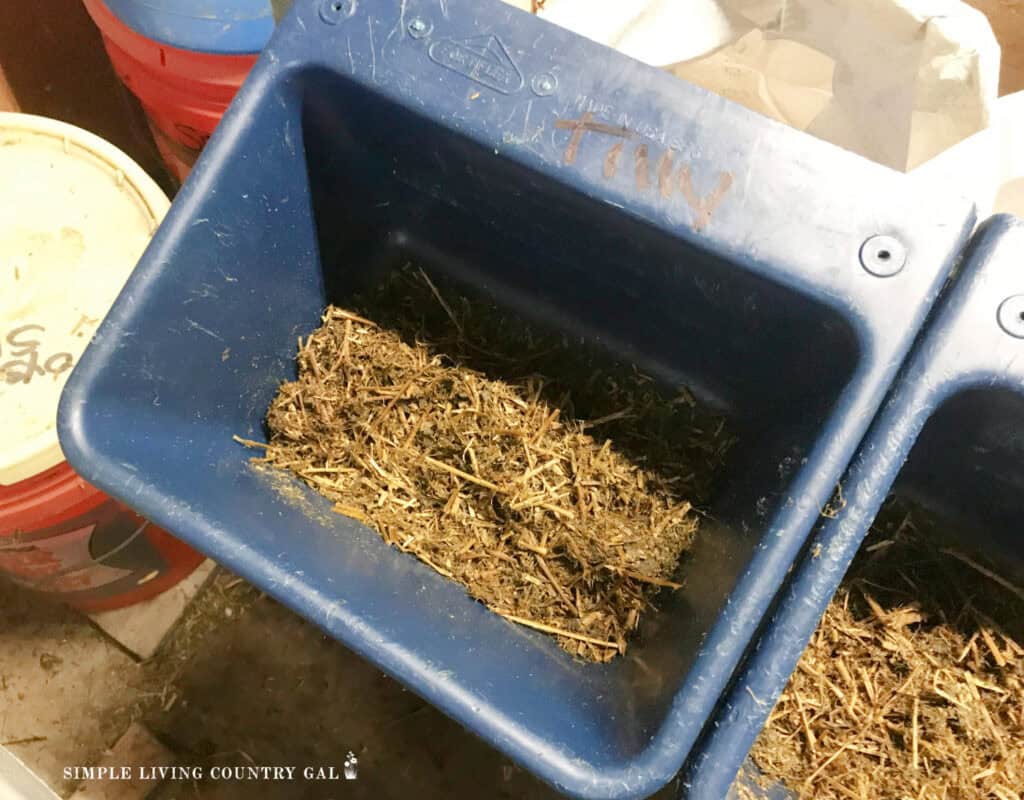
- Offer Treats: A snack during milking will help to keep your goats occupied and helps them associate milking time with something positive. You can feed them grain, Alfalfa Pellets, good quality hay, or Chaffhaye.
- Create a Calm Space: Keep the milking area peaceful—no loud noises or chaos. A calm environment means happier, more cooperative goats.
- Be Gentle: If you’re new to milking, take it slow and use gentle motions. This helps your goats feel safe and prevents them from getting startled or irritated.
Action Tip: Pay attention to your goats’ behavior during milking. Are they fidgety or calm? Use treats, a soothing tone, or a quieter setup to make the experience enjoyable for both of you. If you have a stubborn goat, you can use goat hobbles for a safer experience.
5. Make Clean-Up Quick and Easy
Cleaning up after milking is super important for keeping your goats healthy and your milk fresh, but it doesn’t have to be a chore.
Here’s how to keep it simple:
- Set Up a Cleaning Station: Keep a small caddy in your milking area stocked with essentials like sanitizing wipes, warm water, and cleaning spray. Having everything handy makes the process so much faster.
- Multitask: While you’re finishing up feeding or cleaning the area, let your tools soak in a bucket of soapy water. It’s a time-saver and makes scrubbing easier later.
- Go Minimalist: Use fewer tools when you can. For example, disposable udder wipes cut down on laundry and make clean-up a breeze.
Action Tip: Take a moment to evaluate your current clean-up process. Is there a way to simplify it? Whether it’s setting up a cleaning caddy or switching to disposable wipes, small tweaks can save you time and effort.
Putting It All Together: Your Go-To Milking Routine
When you stick to the same steps every time, both you and your goats will know exactly what to expect. This creates calmer, smoother milking sessions for everyone involved.
Here’s a simple routine to get you started:
- Gather Your Supplies: Before bringing in your first goat, make sure your milking area is ready. Have everything you need within arm’s reach—your stool, bucket, wipes, feed, and maybe a few treats.
- Bring in Your Goat: Use your usual cue, like a gentle call or a favorite treat, to invite her onto the stand. Secure her safely and offer a little feed to keep her occupied.
- Quick Clean: Wipe her udder and teats with a warm, damp cloth or disposable wipe. This keeps things clean and ensures she’s comfortable.
- Start Milking: Get comfortable, check your posture, and use slow, gentle motions. Whether you’re hand milking or using a device, keep your movements steady and relaxed.
- Reward and Release: Once you’re done, reward her with a treat or some extra scratches, then help her off the stand. If you have more goats to milk, bring in the next one and repeat.
- Clean Up: Clean up your equipment right away using those time-saving tips. A clean space today makes tomorrow’s milking easier.
Action Tip: Post a quick checklist in your milking area to help you stay on track, especially in the beginning as you’re building the habit.
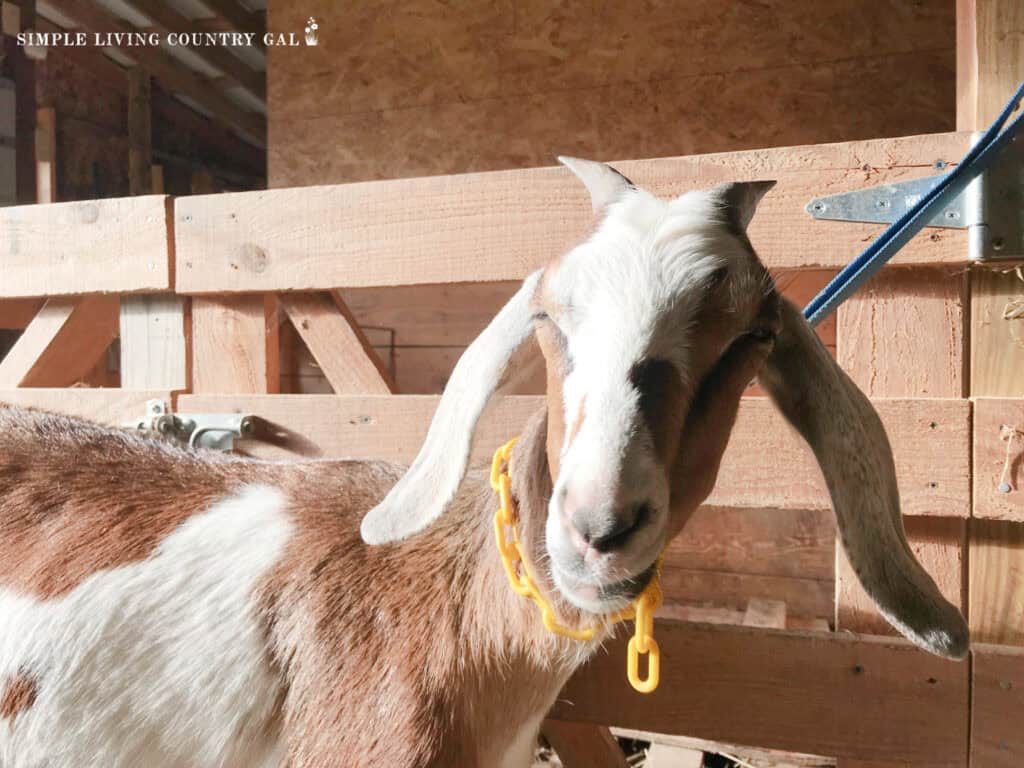
By following this routine every day, you’ll teach your goats what to expect, and in just a week or two, you’ll notice them becoming calmer and more cooperative. Plus, you’ll find your own rhythm, making the whole process smoother and even enjoyable. Who knows? Milking might just become one of your favorite parts of the day.
Starting a milking routine for your dairy goats doesn’t have to feel like a big, overwhelming task—even if you’re working solo or managing physical challenges. With a few small tweaks to your setup, tools, and techniques, you’ll find a rhythm that works beautifully for both you and your goats.
And remember, milking isn’t just about the milk. It’s a quiet, rewarding moment to bond with your animals so you enjoy the process.
Make sure you have the right tools, a comfortable setup, and a step-by-step routine that you and your goats can start learning today.
