
How to Make Money with Goats
Raising animals just for fun is one thing, but if you have livestock, chances are you’re also thinking about making a profit. In this guide on how to make money with goats, we’ll walk through what you can earn, what you should consider for each option, and how you might see a positive cash flow from your herd.
Plus, we’ll cover how to raise dairy goats so they can help support your family and your lifestyle—especially if you’re aiming to live a more self-sufficient life.
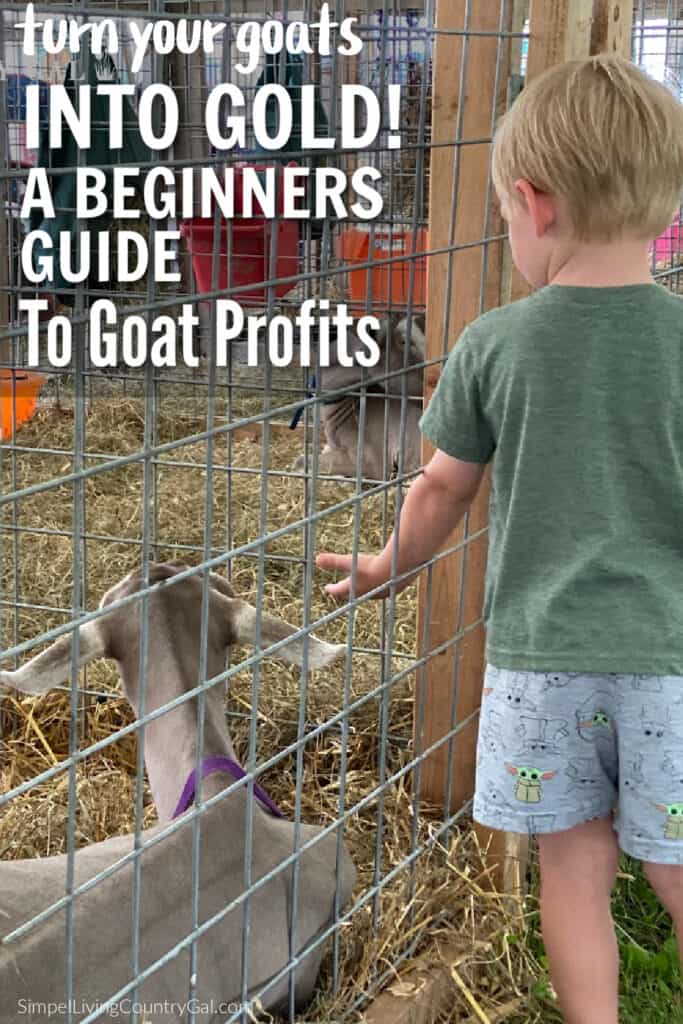
When I was younger, I always dreamed about having a farm. Caring for animals and providing for my family that way sounded like a little slice of heaven. But when I finally got married and moved with my young family onto a big piece of land, I quickly realized starting a farm from scratch was anything but cheap. My grand vision of a huge dairy farm with hundreds of animals and a massive barn quickly downsized to something much more realistic.
The great part is, I still got my dairy farm—just a smaller version. Having 15 dairy goats and a way to make a little income was more than enough to bring my dream to life, and honestly, it checked every box I’d hoped for.
Can You Make Money With Goats?
You sure can make money with goats—and it could just be the fresh start you’re looking for. It’s not a get-rich-quick plan, but raising goats does open up plenty of ways to earn, from selling goat milk, meat, and soap to offering breeding services.
Of course, like any new adventure with animals, there’s a lot to learn. But honestly, that learning curve can be one of the most rewarding parts. It’s amazing to see your hard work pay off as your little herd helps you reach your goals.
Goats can do more than bring in extra cash—they can add real purpose and joy to your days as you build something meaningful, one step at a time.
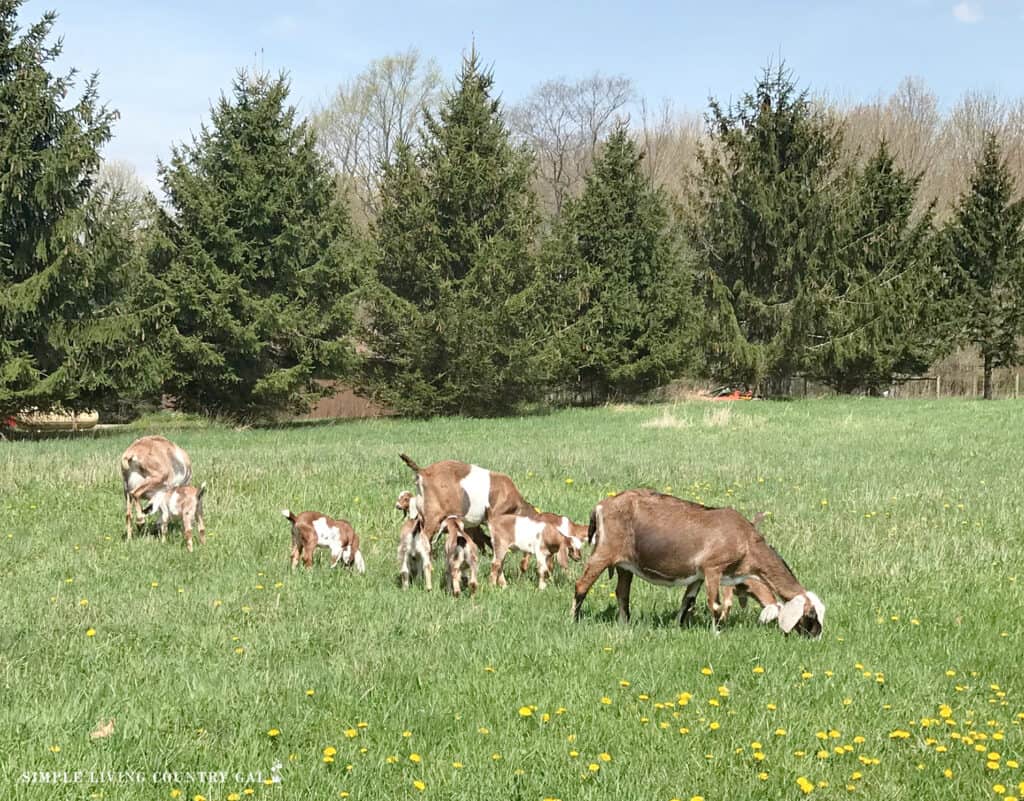
Dairy Goats: A Profitable Place to Start
If you’re curious about how to make money with dairy goats, you’ll be happy to know there are plenty of ways to turn your herd into a source of steady income. Goat milk has become more popular over the years, and people are looking for it for all sorts of reasons—whether it’s for their own table or to help pets with sensitive stomachs.
Ways to Make Money with Dairy Goats
Sell Goat Milk
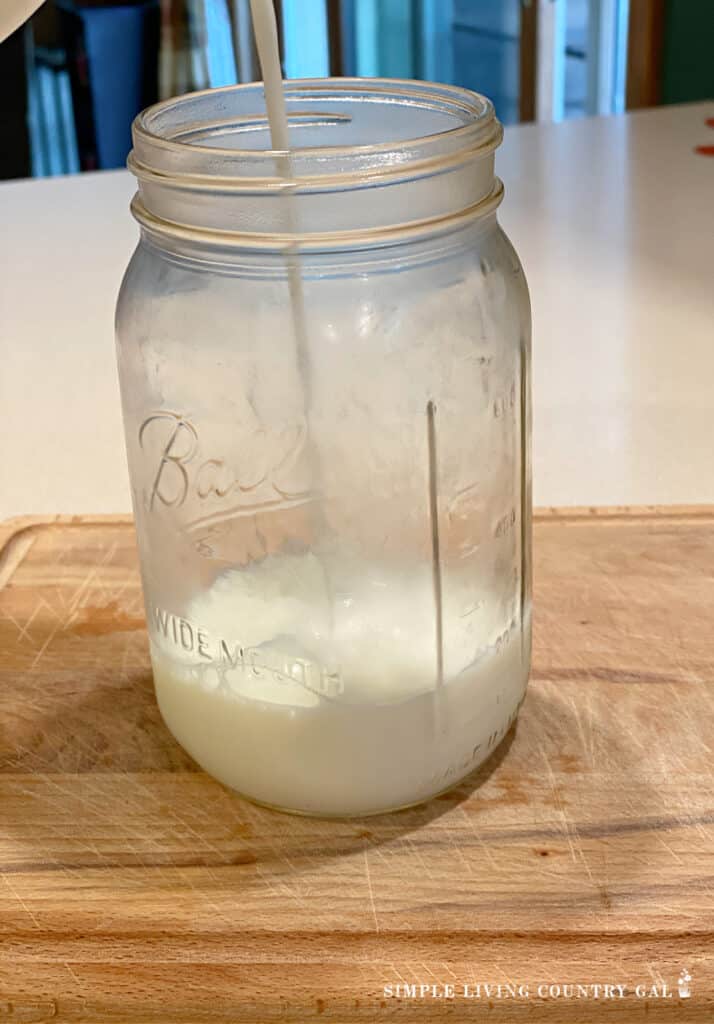
Goat milk is especially prized because it’s easier to digest than cow’s milk, and many people who can’t tolerate regular milk find goat milk works for them. If you live in a state where selling raw milk is allowed, you can offer it straight from your farm, or you can choose to pasteurize and sell it cold. Some buyers are pet owners who need it for animals with digestive issues—so you’ve got options.
How to Sell:
Start by telling friends, neighbors, and anyone at local gatherings about your fresh goat milk. Some folks use online community groups or set up a small self-serve stand for pickup orders. Just remember to check your local and state laws before you advertise or start selling, as some areas have strict rules about dairy sales.
Setup Needed:
- Milking stand and milk filters
- Jars or bottles for storing and selling
- A clean milking area that meets your area’s regulations
- A fridge or cooler to keep milk fresh
Larrik Goat Milking Stand with Feed Bin, Stand for Goat Milk and Shepp Trimming Hooves, with Adjustable Head Piece and Legs, Metal Black Use for Small Goat and Sheep, 400 Lbs 2025 Upgrade 7L Model Goat Milking Machine,Continuously Adjustable Suction Pulsation Vacuum Electric Milker,Portable Automatic Breast Pump with Cow and Sheep Nipple with Tube for Cow and SheepNorth Mountain Supply 1/2 Gallon Glass 83 CT Canning Jar with White Metal Lid


Income Estimates:
You might be able to charge $7–$10 per gallon, depending on your location and local demand. With several goats in milk, you could bring in a few hundred dollars a month pretty quickly—especially if you develop a regular customer base.
Make Products
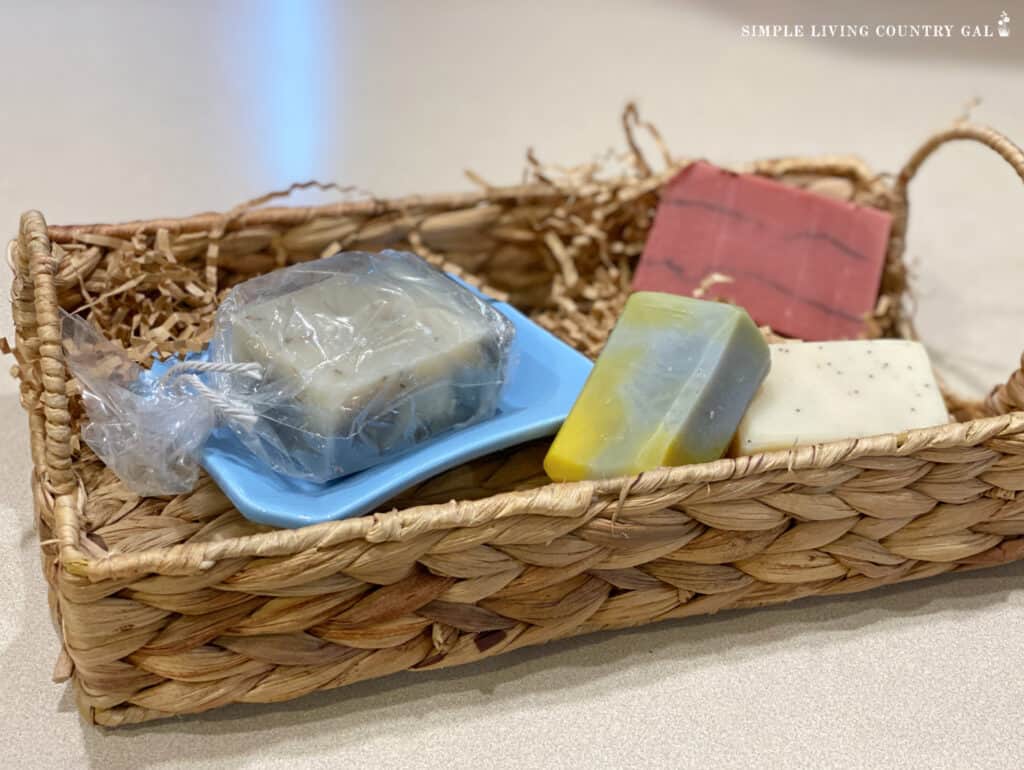
Goat milk isn’t just for drinking—it’s the star ingredient in so many great products. Think homemade cheese, yogurt, soap, kefir, fudge, and even liquid hand soaps or lotions. These kinds of products often sell well at farmers’ markets, local fairs, or even online, especially if you package them nicely and share your story.
How to Sell:
Set up a booth at a local market, try a farmer’s market, or use online spaces like Facebook Marketplace or Etsy. Some folks even set up a self-serve refrigerator with a cash box at the end of their driveway if their area allows it.
Setup Needed:
- The same basic milking equipment as above
- Tools to make your products (like cheese molds, yogurt starters, or soap kits)
- Beginner kits are available for many products, so starting small is simple
- Packaging such as jars, wrappers, or labels
CraftZee Large Deluxe Soap Making Kit – All-in-One Soap Making Supplies with Soap Base, Soap Cutter Box, Silicone Loaf Molds, Fragrances & More – Homemade Melt & Pour DIY Craft KitsStanding Stone Farms Complete Cheese Making Kit – Includes our Award Winning Ultimate Kit plus Equipment ~ Makes Hard & Soft Cheese ~ Detailed Recipes Included.Soap Bag, Natural Sisal Soap Saver Bag Pouch Mesh Net Waste Plastic-Free Exfoliating Foaming and Drying Soap Holder for Shower (4 Pack)


Income Estimates:
Depending on what you make—let’s say a batch of goat cheese or a collection of soaps—you could see anywhere from $5 to $20 per item. Many people find it realistic to make $100 to $500 per month after getting established, and more if you find a good market.
Sell Offspring
Every spring, you’ll likely have cute goat kids bouncing around. Selling these young goats is another great income stream. Some people buy goats to start their herds, others want them as pets for their kids or for 4H programs.
How to Sell:
Use social media, local bulletin boards at feed stores, or even classified ads to let people know when you’ve got kids for sale. Building a good reputation helps, and over time you might find that buyers come back year after year or recommend you to others.
Setup Needed:
- A safe, clean pen for birthing and raising kids
- Secure space for weaned kids where visitors can meet them
- Good record-keeping to follow bloodlines and health
GINDOOR 10 Pack Reflective Goat Collar with Crisp Bells,Adjustable Nylon Sheep Collar with Anti-Lost Grazing Copper Bell Quick-Release Buckle for Farm Livestock Goat Sheep Cow5 Sets 400ml Lamb Feeding Bottle, Kid Livestock Drink Bottle, Goat Bottles for Feeding Baby Goats, Milk Feeder Bottles for FarmSozize Calf Sling for Goat, Lamb, Sheep & Alpaca – Animal Weighing Sling – Newborn Livestock Calves & Baby Dogs


Income Estimates:
Expect $75–$300 per kid, depending on breed, lineage, and what buyers are looking for. Selling just a handful each spring can bring in $300–$1,000 or more.
Offer Breeding Services
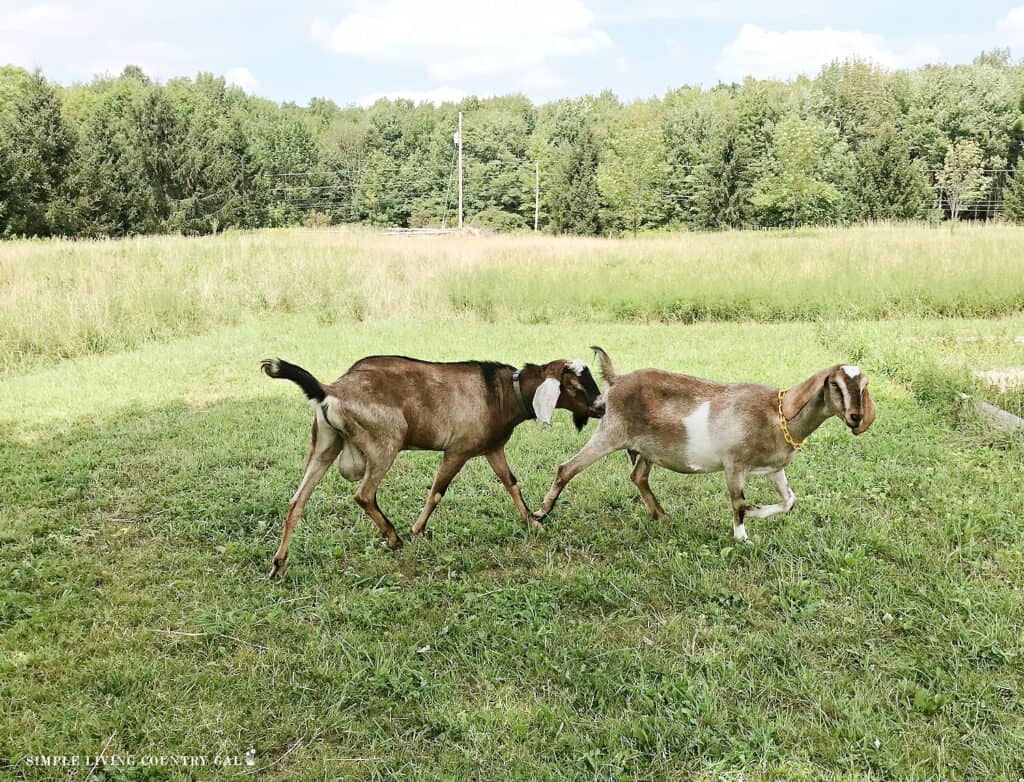
Once you have healthy, purebred, or high-producing goats, you might consider breeding services. Local farmers or hobbyists looking to improve their herds will pay for your stud’s genetics or even to buy bred does.
How to Sell:
Word of mouth works well, as do ads at farm and livestock stores or online platforms that allow animal sales. Decide if you want people to bring their does to your farm or if you’re willing to travel with your stud goat.
Setup Needed:
- Safe and separate pen or shed for visiting animals
- Good fences and clear procedures for keeping animals healthy
- Contract or written agreement on service provided and costs
Goat Anti Breeding Apron, Anti Mating Skirt Goat Apron, Anti-mating Sheep Bellyband, Animal Supplies, Livestock Clothing with Adjustable Strap, Anti Breeding Sheep Animal Skirt for Goats Sheep (Black)Livestock Marker Crayon,Livestock Maker for Pig,Cow,Goat(3 Pack,Red, Blue, Green) (3)Goat Catcher Leg Hook, Leg Sheep Crook Stainless Steel Sheep Hook Catcher Combinable Lengths 44


Income Estimates:
Stud service usually runs $75–$200 per breeding, and bred does usually sell for a premium. Depending on demand, you might bring in a couple hundred dollars or more each breeding season.
How to Breed Guides:
Meat Goats: A Growing Demand
If you’re looking for another way to add a steady stream of income to your homestead, raising meat goats may be a perfect fit. Goat meat (called chevon) is a staple in kitchens around the world, and more people in the U.S. are discovering just how delicious and versatile it can be. With this growing demand, there are some simple, straightforward ways you can make money with a small herd.
Simple Ways to Make Money with Meat Goats
There are actually a few ethical, practical ways to earn with meat goats. No matter which route you choose, it’s important to do your research and pick buyers and programs that treat animals humanely throughout their lives—including at the end. This helps you feel good about your operation and gives more confidence to your customers and community.
Selling Directly to Consumers or Butchers
One of the easiest ways to profit is to sell your goats live to local buyers, small processors, or even butchers. Many communities—especially those with cultural traditions tied to goat meat—are happy to pay extra for fresh, local products.
How to Sell:
Take your goats to livestock auctions, where they’re often in steady demand. You can also use word-of-mouth or simple ads in your local paper. Finally, network at local farmers’ markets or community events.
Setup Needed:
- Healthy, quality breeding stock (start with goats that are known for good meat production).
- Secure, easy-to-maintain fencing and simple shelters to keep your goats safe and comfortable.
- A basic system (like a notebook or spreadsheet) to track weight gain, breeding, and health.
- A reliable way to transport your goats as needed, whether it’s a small livestock trailer or borrowing from a neighbor.
Income Estimates:
Typically, you can sell a meat goat for anywhere from $150 to $300, depending on things like its size, breed, and the local market. So, let’s break it down: if you raise 10 goats in a year, you could make around $1,500 to $3,000. Double that to 20 goats, and you’re looking at $3,000 to $6,000 a year.
Sell Goat Meat Yourself
If you’re willing to put in a bit more effort, selling goat meat directly can be a great way to boost your profits. By handling the butchering and processing yourself, you can earn more per goat—but keep in mind, it does require extra time, tools, and following local regulations.
How to Sell:
Offer packaged cuts of meat directly to friends, neighbors, or at farm stands (if allowed in your area). Reach out to local restaurants, food trucks, or specialty grocers that love featuring local, pasture-raised meats.
What You’ll Need:
- The basics: breeding stock, sturdy fencing, and proper shelter for your goats.
- Tools for processing: sharp knives, cutting boards, and a clean, safe workspace.
- A freezer to store your meat until it’s sold.
- A solid understanding of your local regulations for on-farm processing and direct sales.
Income Estimates:
When selling goat meat by the pound, you can typically charge anywhere from $8 to $15 per pound, depending on your location and whether your goats are pasture-raised or organic. A single goat can yield around 40-50 pounds of meat, so you’re looking at $320 to $750 per goat.
If you process and sell 10 goats in a year, that’s $3,200 to $7,500. Scale it up to 20 goats, and you could bring in $6,400 to $15,000 annually.
Sell Goat Kids
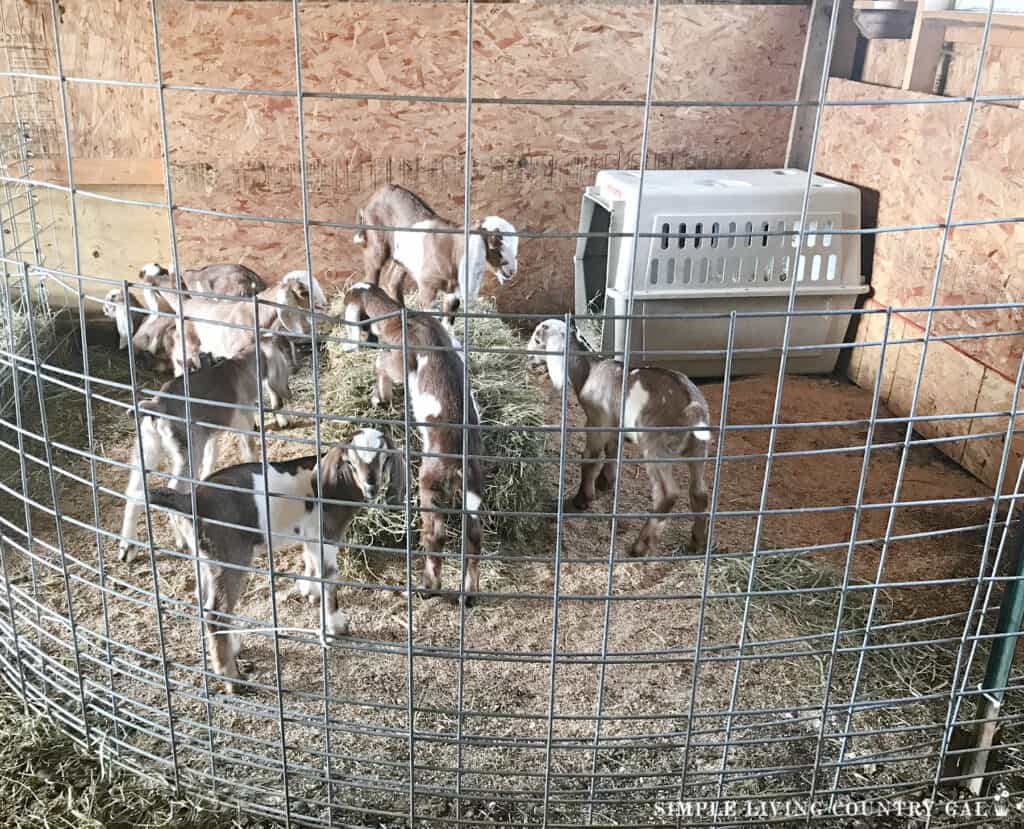
Goat kids are some of the cutest animals on the farm, and every spring, you’ll have a fresh batch ready to find new homes. Some buyers are looking for breeding stock, others want pets for their kids, and local 4-H families are always on the hunt for their next project goat.
How to Sell:
Share photos on social media and join local farm or animal groups online. Pictures of goat kids tend to attract attention quickly. Another option is to advertise through 4-H clubs, as they are a great resource for connecting with families and youth looking for goats for projects. Finally, post flyers at local feed stores, veterinary offices, or other community hubs.
Focus on building a strong reputation for raising healthy, well-cared-for goats. Positive word-of-mouth can lead to repeat buyers and long-term success.
What You’ll Need:
- A safe, clean pen for new moms and their kids, with easy-to-clean bedding.
- A secure area or play yard for weaned kids, where families can visit and meet them.
- Simple record-keeping for bloodlines and health—to help buyers find exactly what they need and to track your best breeders.
Expected Income:
Goat kids typically sell for $75 to $300 each, depending on their breed and pedigree. Even if you sell just a few each spring, you could easily make $300 to $1,000 (or more) by summer. If you plan to sell to local 4-H kids, be sure to time your breeding so the kids are at a proper age at the time you sell.
Unique Ways to Make Money with Goats
These three unique ideas don’t just add to your income—they’re also fun, practical, and relatively simple to start.
Goat Yoga
Goat yoga is a playful and rewarding way to combine relaxation with animals—and it’s wildly popular. People love hanging out with adorable goats while practicing yoga poses, making it an experience they won’t forget.
How to Sell
Advertising locally on social media platforms like Facebook. Share inviting photos or videos of your goats and yoga spaces to draw attention. Collaborate with local yoga instructors if you’re not a yoga teacher yourself. Invite small groups to your property for an hour-long session—don’t forget to include time for guests to pet and interact with the goats after class.
What You’ll Need
- A flat and safe outdoor area (preferably with some shade)
- Friendly and tame goats that enjoy affection
- Yoga mats for guests (optional, but offering them adds convenience)
- Liability insurance for extra peace of mind
- A booking system or simple online scheduling tool
Expected Income
Sessions can cost anywhere from $20 to $40 per person. If you host ten people per class a couple of times a week, you could earn $800 to $1,600 a month with only a few hours of your time each week.
Rent-a-Goat for Land Clearing
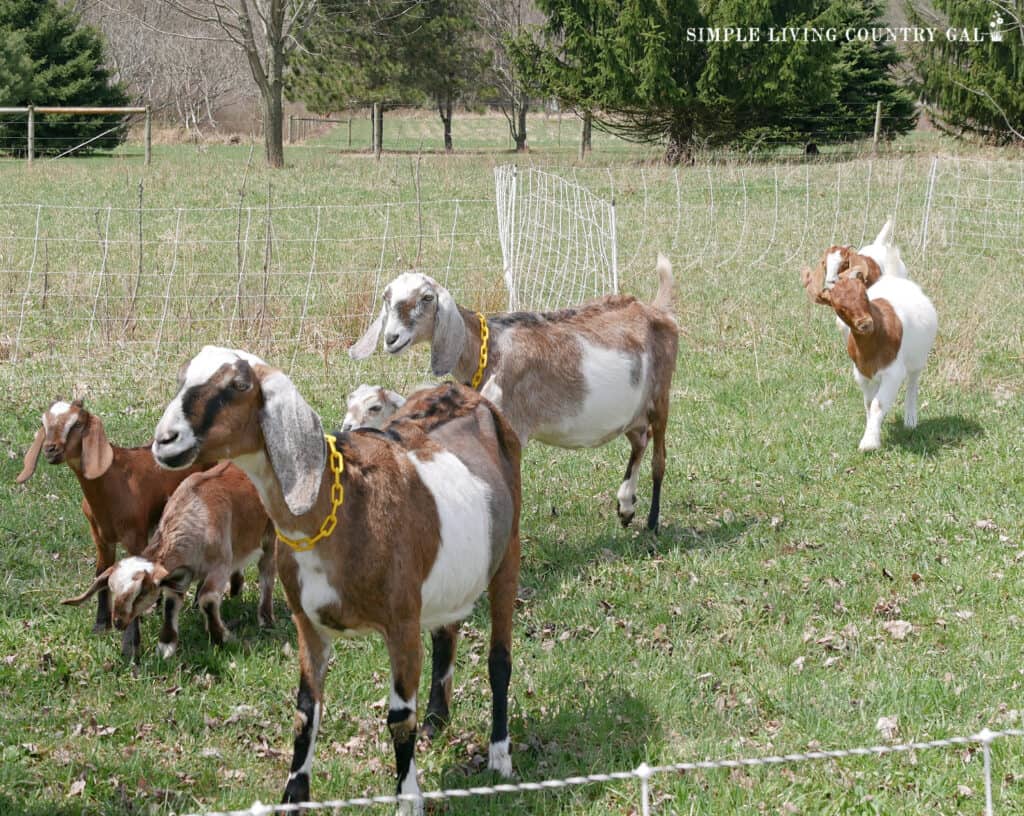
Goats are known for their excellent foraging skills. They love grazing on grass, shrubs, and even weeds, making them perfect for clearing overgrown properties naturally. You can rent out your goats to landowners who need some eco-friendly landscaping help.
How to Sell
Advertise online, on Facebook, or in the local paper. Create a website or flyer that explains the benefits of using goats instead of machinery or chemicals. Highlight their eco-friendly impact and how effective they are. Spread the word through local groups, with neighbors, and friends.
What You’ll Need
- A small herd of healthy goats (three to six goats is a good starting point)
- Portable fencing to keep them contained on the job site
- Transportation for moving the goats safely to different locations
- Basic tools like feed and water containers for managing the herd during a job
Expected Income
You could charge about $400 to $800 per acre depending on the area and how difficult the work is. With minimal ongoing costs, even a few jobs per month could provide a nice side income.
Sell Organic Fertilizer
Goat manure is a goldmine for gardeners. It’s nutrient-rich, odor-free (if composted properly), and easy to sell to hobby gardeners and organic farmers.
How to Sell
Start local by connecting with gardeners, plant nurseries, or farming co-ops. Create small, easy-to-carry bags of composted fertilizer and offer them for sale at farmer’s markets or on platforms like Facebook Marketplace. If you produce a larger volume, you could even reach out to small urban farms or distributors who sell organic gardening products.
What You’ll Need
- A dedicated composting area where manure can age and decompose
- Shovels, a wheelbarrow, and breathable compost bags for storing and selling
- Access to a market or customer base interested in sustainable gardening products
Expected Income
You can expect to sell each 25-pound bag for $5 to $15, depending on your area. If your farm produces compost regularly, this can add a steady, passive income stream.
Laws and Rules to Keep in Mind
Before jumping into the goat business, it’s a good idea to get familiar with the rules in your area. Check out your state or county’s agriculture department website, give your local extension office a call, or even chat with other farmers nearby—they’re often a great source of advice.
Here are a few key things to keep in mind:
- Milk Sales: Thinking about selling goat milk? Heads up—many states have strict rules about raw milk sales. Some allow it, some don’t, and some have specific hoops to jump through. Make sure you know what’s allowed in your area.
- Meat Processing: Planning to sell goat meat? You’ll likely need to use a USDA-approved facility for processing. It’s a must for most states, so don’t skip this step.
- Zoning and Property Codes: Not all properties are set up for livestock farming. Double-check that your land is zoned for keeping goats before you start building fences.
Taking care of these details upfront will save you headaches (and possibly fines) down the road.
Raising goats isn’t just a hobby—it can be a rewarding family business and even a legacy you pass down. When you really understand how to make money with goats, you’ll be able to make smart, informed decisions before you dive in.
Whether you’re interested in dairy goats and all the creative products you can make with their milk, or meat goats for a simpler, less time-intensive option, there are plenty of ways to turn your goat venture into a profitable and enjoyable experience. The key is finding the path that works best for you.
