
How to make goat milk taste better
How to Make Goat Milk Taste Better is a question many new and even seasoned goat owners ask. Fresh goat milk should taste creamy, clean, and mild—often very close to cow’s milk when handled properly. But if the flavor is strong, “goaty,” or just not pleasant, it can be frustrating, especially when you’ve worked hard to care for your animals.
The good news is, the taste of goat milk often comes down to a few simple factors like diet, milking practices, and storage. Once you know what to watch for, it’s much easier to keep your milk sweet and delicious. These tips are not only helpful in the kitchen but also an important part of learning How to raise dairy goats with confidence.
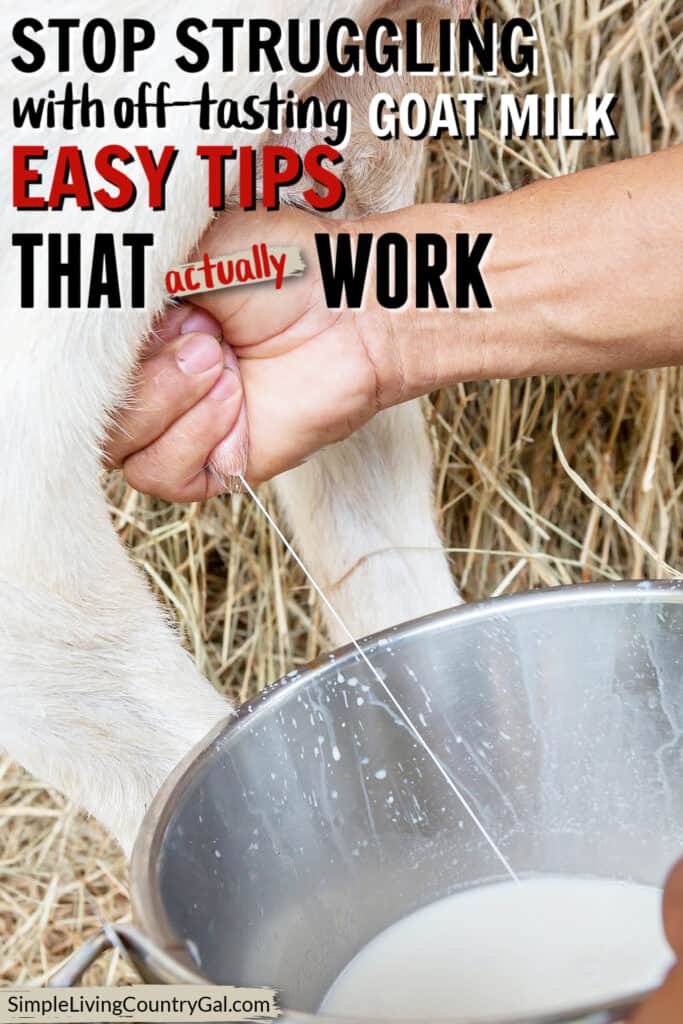
When I first started milking goats, I thought the hardest part would be learning the routine. But what really threw me off was the taste of the milk. Some mornings it was wonderful, sweet, mild, and everything I hoped for. Other times, though, it had a strange flavor that made me wonder if I was doing something wrong. It was frustrating because I didn’t know what the problem was or even if there was a way to fix it.
I quickly realized that getting consistently good-tasting milk meant I had to become a bit of a detective. Every detail mattered. What my goats were eating, how clean their pens were, even the area where I did the milking, all of it played a role. It wasn’t always easy, but over time I learned that being proactive in their care made all the difference.
That’s when things finally started to turn around. Once I paid attention to those little details, the milk was consistently fresh and delicious, and suddenly, all the effort felt worth it. I know how discouraging it can feel when the flavor isn’t what you expect, but with a little observation and a few changes, you really can enjoy the very best milk from your goats.
What Affects the Flavor of Goat Milk?
If you’ve ever wondered why your goat milk tastes amazing one day and a little “off” the next, you’re not alone. Milk flavor can change for a handful of reasons, and the good news is, once you know what to look for, you can usually get things back on track pretty quickly. Here are the main things that make the biggest difference:
Diet – What your goats eat shows up directly in the flavor of their milk. Fresh pasture and good-quality hay usually lead to milk that’s mild, creamy, and sweet. But if they’ve been eating low-quality feed or nibbling on brush that’s extra bitter, the taste can shift fast. If your milk suddenly tastes different, take a look at what your goats have been eating, it’s often the first place to spot the problem.

Environment – Goats thrive in calm, clean surroundings, and their milk reflects that. Cramped housing, noisy dogs, or too much commotion at milking time can all change not only how much milk you get but how it tastes. The more relaxed and comfortable your goats are, the better the milk will be.
Health – Sometimes off-flavored milk is a sign that something deeper is going on. Worms, infections, or other health issues can all affect taste. That’s why it’s so important to keep a close eye on your goats. Notice if they’re losing weight, acting differently, or just not themselves. Catching small problems early keeps your goats healthy and your milk tasting fresh.
SLCG Pro Tip: Keeping a consistent milking routine not only helps you but also keeps your goats calmer and less stressed. A calm goat means better flavor in the milk.
How to Make Goat Milk Taste Better
Off-tasting milk from the barn is something every goat keeper runs into at some point, and most of the time, the fix is an easy one. Here are some of the most common reasons milk can taste “off” and what you can do about it (plus a few lessons I learned as a beginner goat owner the hard way).
1. Adjust Their Diet
Goat milk flavor starts with what your goats are eating. Fresh pasture, browse, and high-quality hay usually lead to milk that’s mild and sweet. On the flip side, poor-quality feed or too much of certain weeds (like wild onion or garlic) can leave a strong aftertaste.
Fix: Look closely at their daily diet. Provide clean hay, a balanced goat ration if needed, and limit access to bitter plants. If you’ve recently changed feed, that may be the culprit, try switching back and see if the flavor improves within a few days.
What I learned: One spring, one of our does started producing milk with an almost “fishy” taste, and I couldn’t figure out why. After a little detective work, I realized that the kelp I had been feeding for its health benefits was affecting the flavor. Once I removed it from her diet, the milk returned to perfect within a couple of days.
2. Cover Your Milk Immediately
Milk is like a sponge, it absorbs odors and dust quickly. Leaving your pail uncovered, even for a few minutes, can make the milk taste different.
Fix: As soon as the milk hits the pail, cover it. I like to use a thick shower cap with elastic to fit snugly over the pail. It’s washable, reusable, and does the job without hassle.
What I learned: I used to carry my full pail through the barn uncovered, and I couldn’t figure out why the milk sometimes had a faint “barn” taste. Once I started covering it right away, that problem disappeared.

3. Keep Milking Supplies and the Area Clean
Any strong smells, like manure, barn odors, or perfumed cleaners, can transfer into your milk, and it only takes a bit of dirt or stray hair from an untidy milking area to change the flavor.
Fix: Wash your hands and the udder before milking, and keep the area clean and neat. Wipe down the milk stand, walls, and floor before each milking. Make sure all milking tools, pail, milker, and storage jars, are thoroughly cleaned and washed.
What I learned: At first, I thought a quick wipe of the udder and a weekly sweep of the milking stall was enough. But once I started washing udders thoroughly and cleaning the milking area daily, the milk was consistently fresher and cleaner-tasting.
3L Goat Milking Machine,Rechargeable Battery Milker Powered Pulsation Vacuum Pump with 2 Teat Cups,Stainless Steel Buckets for Goats(13200mAh Battery) 3L Goat Milking Machine,Pulsation Vacuum Electric Milker,Portable Automatic Breast Pump with 2 Teat Cups Stainless Steel Bucket for GoatsYardwe Manual Milking Machine for Cows and Goats, Lightweight Handheld Cow Milker with Single Teat Pump and Vacuum Hand Pump, Easy to Clean


4. Milk on a Regular Schedule
Goats thrive on routine, and their milk does too. Regularly skipping or delaying milking sessions can leave udders overfull, which may affect the flavor. Full udders also make milking uncomfortable for both you and your goat and can increase the risk of problems down the line.
Fix: Stick to a consistent schedule, usually twice a day, once in the morning and again in the early evening. Your goats will be more comfortable, and your milk will be fresher. If you need to adjust the frequency, do it gradually so the does and their udders have time to adapt.
What I learned: Having a routine makes milking much easier. Coming out at the same time each day, keeping a steady pace, and staying calm helped my goats enjoy the process. There was less struggling on the stand, and that meant I was getting more milk that tasted amazing.
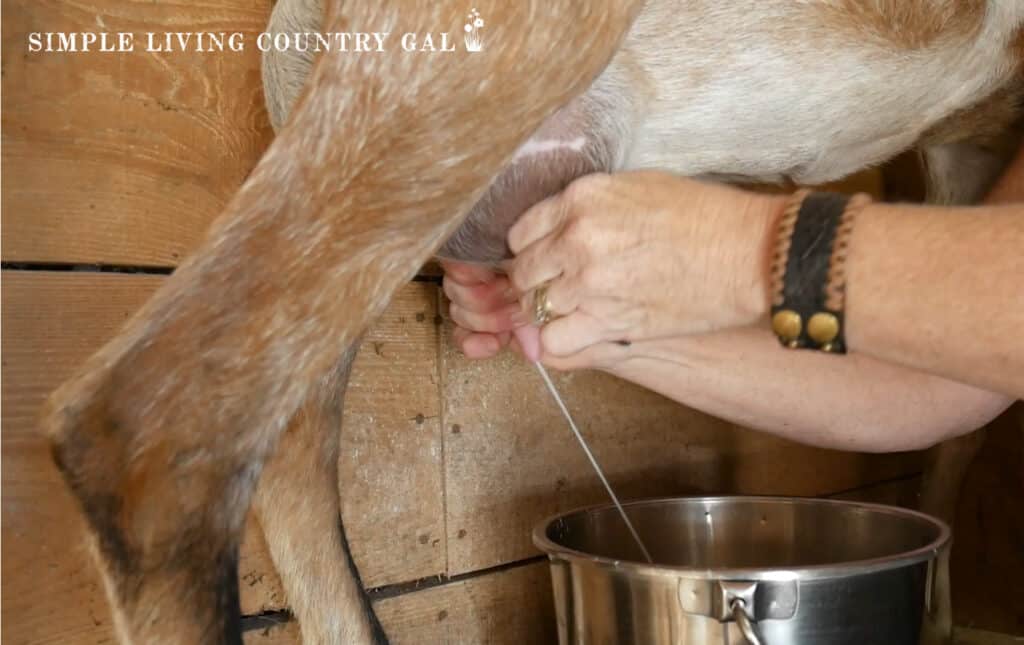
5. Watch the Bucks During Breeding Season
If you’ve ever had milk that suddenly smelled or tasted “bucky,” it’s likely due to how close your buck is to the milking area. During breeding season, bucks produce a strong rut odor, and goat milk can easily absorb it if they’re kept too close.
Fix: House bucks far away from your milkers during breeding season. Ideally, keep your milking stand in a separate area where bucks never go.
What I learned: My first year, I thought my buck was far enough from the milk stall, he was in the barn, just on the opposite side. Let’s just say the milk ended up smelling exactly like him, and that was not pleasant. Now we house our bucks in their own shelters downwind of the goat barn, and the milk stays fresh and clean.
6. Strip Before Milking
Goats love to lie down in the barn, and let’s face it, the ground isn’t always clean. That means udders and teats can pick up dirt or bacteria from the bedding. The first few squirts of milk often carry some of that, and skipping this step can change the flavor, or leave you with milk you wouldn’t want to drink.
Fix: Strip the first two or three squirts into a small mason jar before starting the main milking. Use the same jar for all your goats and toss it afterward. This simple step will leave you with a cleaner, smoother batch of milk.
What I learned: Once I made stripping a regular part of my routine, the milk not only tasted better but was noticeably cleaner and creamier. It also became a helpful way to spot udder issues quickly.
7. Chill the Milk Quickly
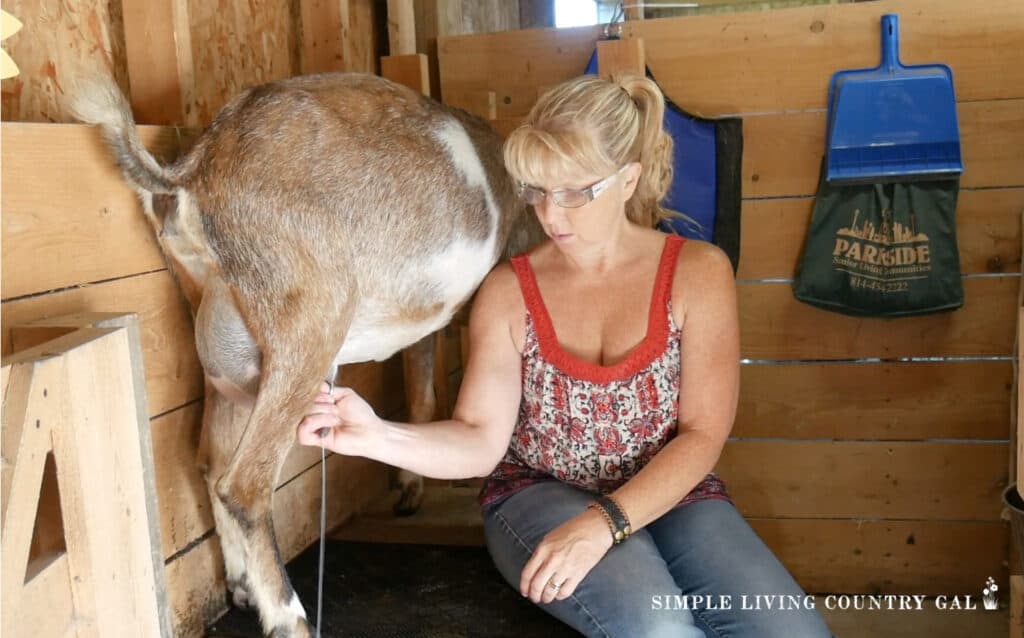
Even if your milk looks and smells fine at first, leaving it at room temperature too long can change the flavor quickly. The faster it’s cooled, the better it will taste.
Fix: Strain and refrigerate milk as soon as possible after milking. For best results, aim to get it below 40°F within an hour. Placing the milk jar in an ice bath inside the fridge can help it cool down faster. Avoid putting milk in the fridge door, where it tends to be warmer.What I learned:
At first, I would wait until I got inside to start cooling the milk, but I found it tastes much better when the process starts right away. Now I take a cooler with a few ice packs out to the barn so the milk can start chilling while I finish milking the rest of the goats, it makes a noticeable difference in flavor.
8. Store in Glass Jars and Use Steel Pails
Plastic containers can hold odors from past milkings, and over time they may give milk a faint “plastic” taste. Using the right containers, from milking to storage, makes a bigger difference than many people realize.
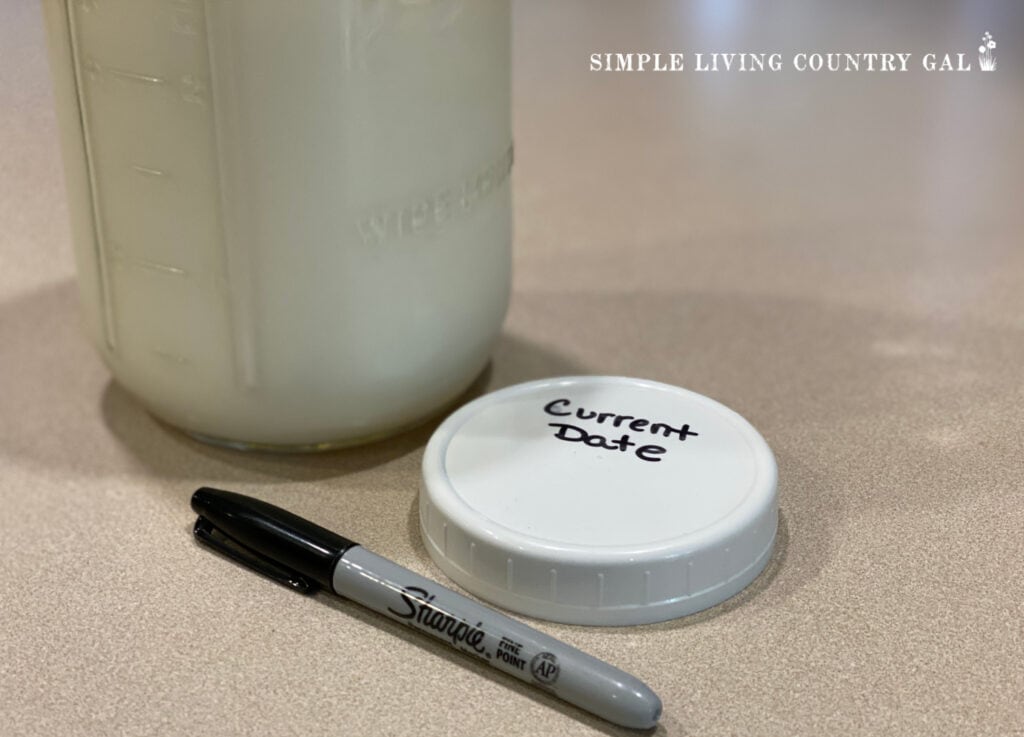
Fix: Use a steel pail for milking and store milk in clean glass jars or bottles whenever possible. Wash everything thoroughly and rinse well to make sure there’s no soap residue left behind. Mason jars work really well for milk storage and are available in sizes up to ½ gallon.
What I learned: Once I switched from plastic jugs to glass mason jars and started using steel pails for milking, the difference was noticeable immediately. The milk tasted cleaner, had no hint of plastic, and stayed fresher in the fridge longer. It’s a small change that makes a surprisingly big impact on flavor.
9. Watch for Health Issues
If you’ve tried everything else and the milk still tastes off, it could be a sign of a health problem, like mastitis, parasites, or another issue. Milk from a sick goat should never be consumed or given to pets or other animals.
Fix: Spend time really getting to know your goats so you can notice even small changes in behavior, appetite, or milk. These little changes often signal bigger health concerns.
Stay on top of routine care, check for worms regularly, keep up with vaccinations, and inspect udders for heat, soreness, clogged teats, or milk that looks cloudy or stringy. When in doubt, a quick call to your vet can save a lot of headaches.
What I learned: I once had a doe whose milk tasted slightly off. After some careful observation, I realized she had a mild case of mastitis. Because I caught it early, treatment was quick and her milk returned to normal fast. Paying close attention to your goats doesn’t just keep them healthy; it also makes your milk taste better and gives you peace of mind.
Goat Milk Q&A
Q: Why is goat milk better than cow milk?
A: Goat milk is easier on the stomach for many people because it has a little less lactose than cow’s milk. It’s also full of nutrients like calcium, potassium, and vitamin A. And honestly, a lot of people just enjoy the slightly sweeter, richer taste.
Q: How should I deworm my goats?
A: Keeping goats parasite-free is essential, not just for their health, but for the quality and taste of their milk too. On our farm, we use herbal wormers on a regular schedule to keep parasites from building up. The best part is this approach keeps chemicals out of the milk and doesn’t change the flavor at all.
Paying attention to your goats and staying on top of deworming can prevent bigger health issues down the line and helps your herd stay happy and productive.
Q: What can I do with goat milk?
A: Goat milk is so versatile. You can drink it fresh, make cheese, yogurt, butter, or ice cream, or use it in baking for extra flavor in cakes, bread, or cookies. It’s even great for homemade soaps, lotions, and creams because it’s so moisturizing.
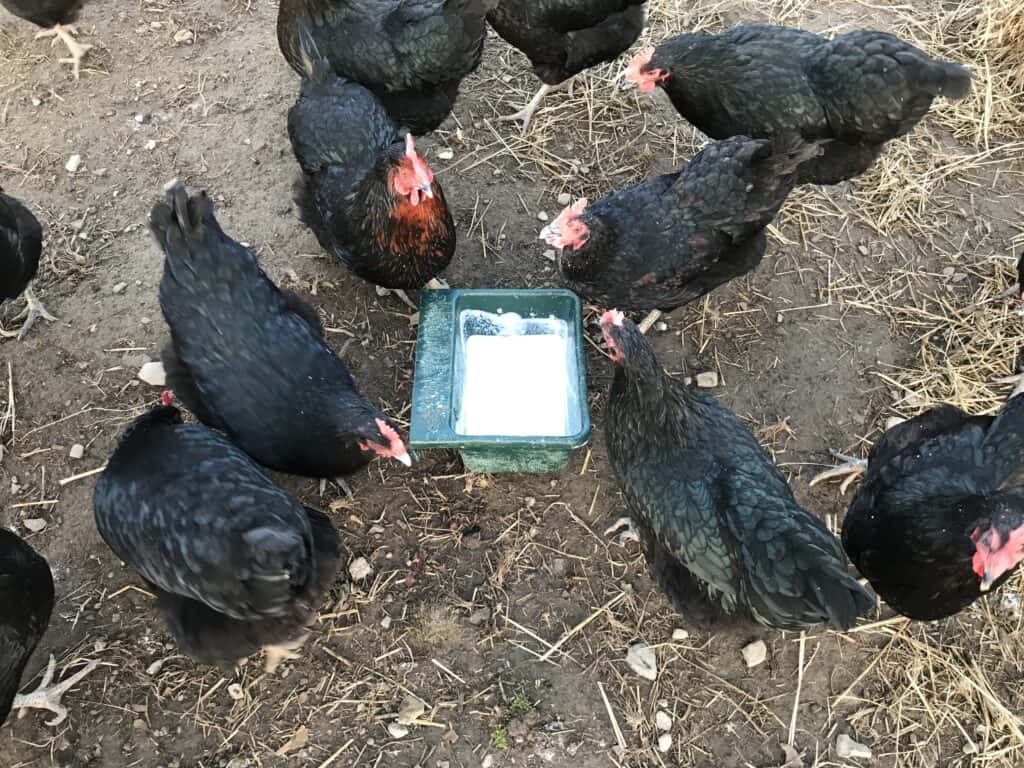
On the homestead, extra milk makes a tasty and nutritious treat for chickens, pigs, or other animals. And if you’re thinking about selling it, goat milk and dairy products can be a little side income, just make sure you know your local regulations first.
READ: How to Make Money on Your Homestead
Raising goats is incredibly rewarding, and one of the best parts is enjoying fresh, creamy milk straight from the udder. If you’ve been struggling with off flavors, following these tips can make a big difference. From keeping your goats healthy and stress-free to paying attention to diet, hygiene, and storage, small changes in your routine can lead to milk that tastes clean, sweet, and delicious.
By being proactive and observant, you’ll not only improve the flavor but also enjoy a more enjoyable milking experience. With a little care and attention, you can master how to make goat milk taste better and create a routine that keeps both you and your goats happy.
More Goat Resources: