
8 Super Easy Steps to Delicious Tasting Goat Milk
Nobody wants off-tasting milk, especially when you’ve put in so much effort to get it into your fridge. The good news? It doesn’t have to be that way! With these 8 easy steps to delicious tasting goat milk, you’ll get fresh, amazing results every time.
When learning how to raise dairy goats, your first goal is to have a fridge full of amazing goat milk that you can your family can enjoy year-round. This guide will keep the yuck out and the goodness in.
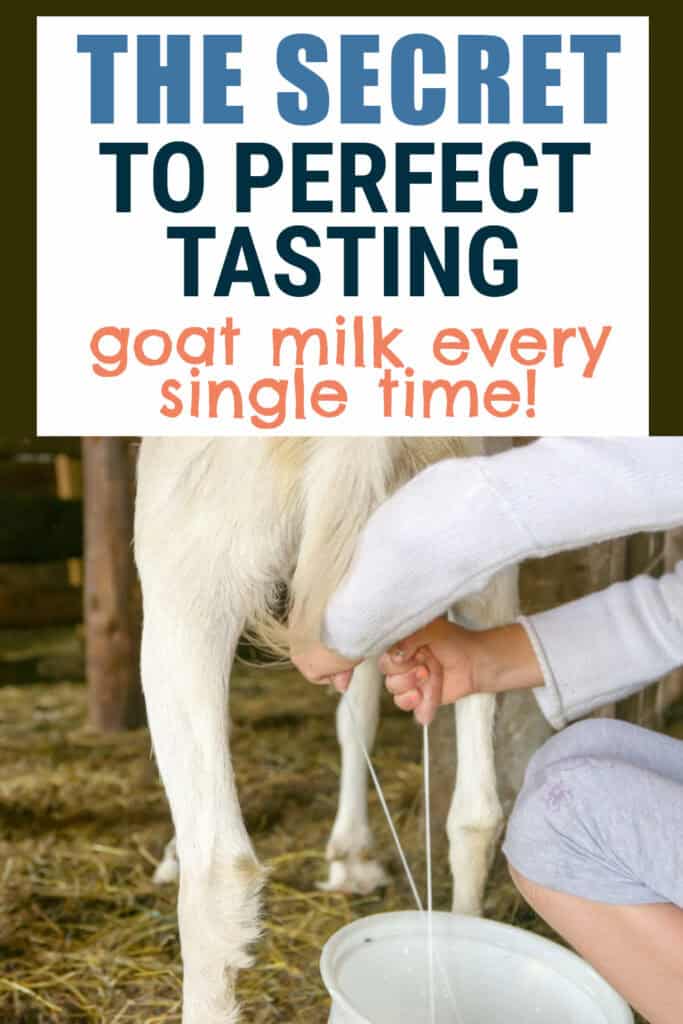
My husband used to be one of those people who was totally against trying goat milk. Stubborn as he is, he flat-out refused for three whole years. Yes, three years!
Finally, I had enough.
I sat him down, poured him a glass, and said, “Just try it.” He took the tiniest sip, looked straight at me, and, with total surprise on his face, said, “Huh, goat milk tastes just like cow’s milk.”
From that moment on, he was hooked, and I’m proud to say he’s been a goat milk fan ever since.
Yet, I still hear people saying they’ve tried goat milk and found it strange-tasting. My response? It doesn’t have to be! If goat milk tastes “off” to you, there are some super simple steps you can follow every time you milk to make sure your milk is fresh and delicious.
Here’s my top tip and one that might surprise you: always milk in a calm, stress-free environment. Goats are creatures of habit, and they thrive on a routine. The more you can do the same steps each time you milk, the better and more enjoyable it will be for everyone involved.
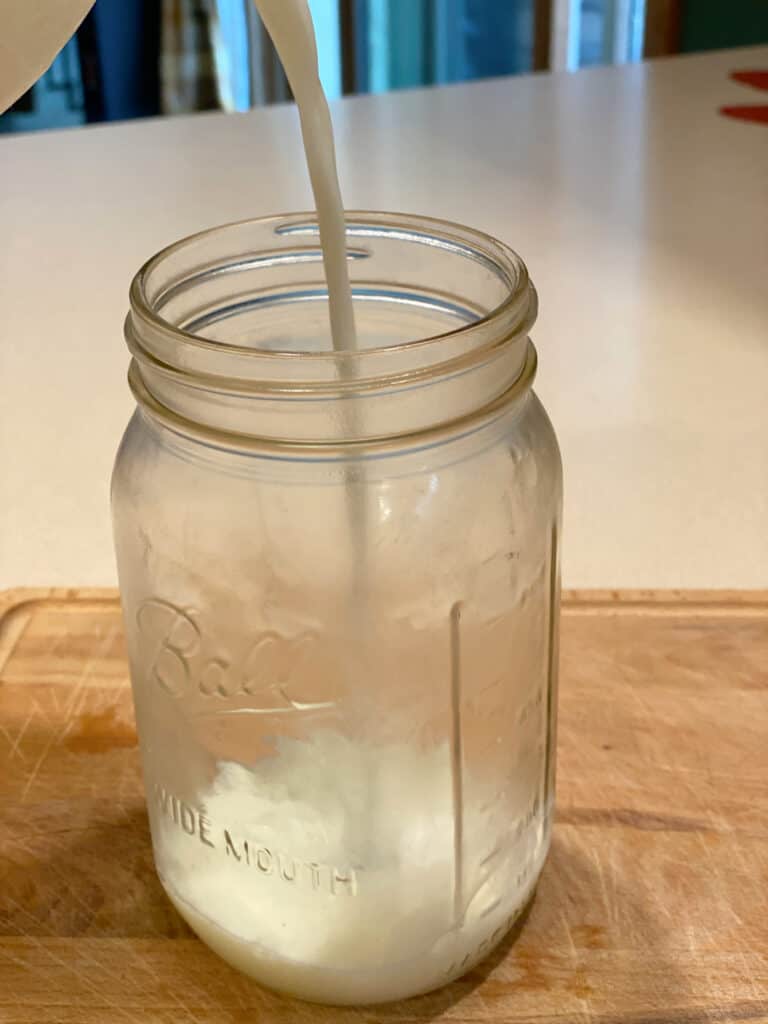
8 Easy Steps for Delicious Tasting Goat Milk
This list has been our go-to for years. These are simple, easy-to-follow milking habits that can fit right into your daily routine. You don’t have to do everything on the list, but the more you incorporate, the better your milk will taste.
Step #1: Keep Things Super Clean
I know it sounds like a no-brainer, but you’d be surprised how often this step gets skipped or doesn’t get done as thoroughly as it should. Keeping your milking area clean is super important for keeping dust and dirt out of your milk.
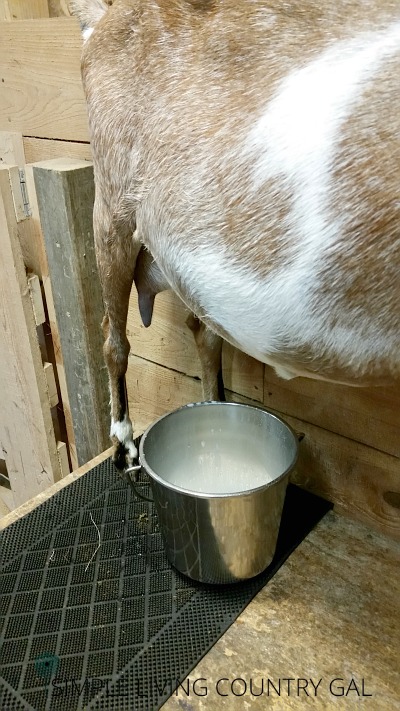
Use mats to keep the stand cleaner
We like using rubber floor mats on our milk stand. They’re great for catching debris from your goat’s hooves, making cleanup much easier. Instead of scrubbing down the whole stand, you just clean the mats.
SLCG Pro Tip: Hose down the mats after each use and set them out in the sun to dry. The sun works as a natural sterilizer and dries everything quickly.
Sweep daily
Make sweeping a daily habit, especially in your milking area. Dust and cobwebs can build up fast, so start at the top by cleaning the corners of the ceiling and work your way down. This way, gravity does the hard work for you.
Spray to disinfect
After each milking session, spray down the milk stand with a mixture of bleach and water. This keeps things fresh, clean, and helps to ward off flies.
Step #2: Make Sure Your Goat’s Udder Is Clean AND Dry
Goats love to sprawl out when they sleep, and they’re not exactly picky about where they lay down. Whether it’s clean bedding or soiled, to them, it’s all equally comfy. Unfortunately, whatever they’ve been lounging on usually ends up on their udders.
Wash by Hand
Before milking, take a few minutes to thoroughly wash and dry your goat’s udder. I like to have a plastic container of soapy water with a few rags inside that are ready to use.
Use a Fresh Rag
Always use a fresh rag for each goat. This small step helps reduce the risk of spreading germs between animals.
Try Baby Wipes
Baby wipes are also a great option for a quick and thorough clean. They’re super convenient and really work great to get the job done.
SLCG Pro Tip: Washing your goat’s udder isn’t just about keeping things clean. It’s a great chance to give her udder a massage. This helps stimulate milk flow, making milking easier so it goes more quickly. On top of that, it’s a calming routine that helps your doe relax.
Step #3: Ditch the Plastic Containers
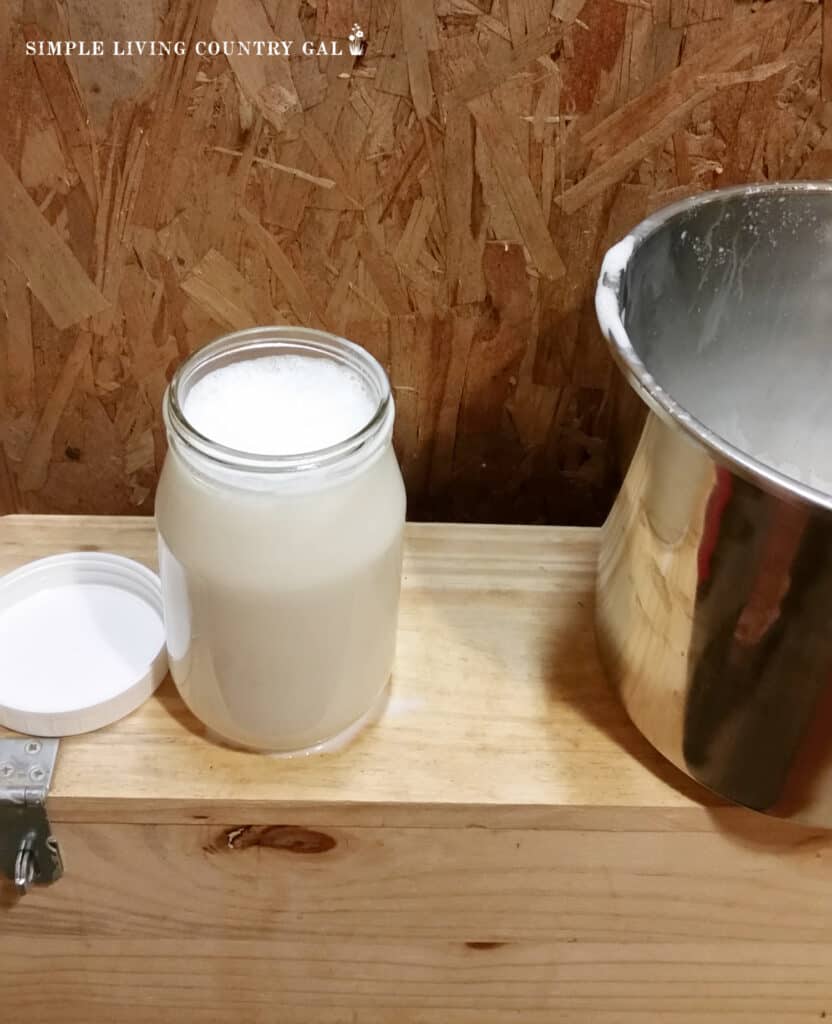
Here’s the thing about plastic containers—they tend to absorb odors, even barn odors. If someone tells me their milk tastes “off,” nine times out of ten, they’re milking into plastic. Want better-tasting milk? Switch to a stainless steel milk pail.
Advance Pet Products 2 Quart Heavy Duty Stainless Steel Flat Side Bucket | Durable Food & Water Pail for Dogs, Cats, Kennels, Cages and Critter Crates | Multi-Purpose Bucket Rural365 Metal Jug – 4 Liter Stainless Steel, Rustic Milk Can with Lid, Old-Fashioned Jug VaseGrip Stainless Steel Bucket (1 Gallon) – Great for Pets, Cleaning, Food Prep – Hang on Fences, Cages, Kennels – Home, Garage, Workshop
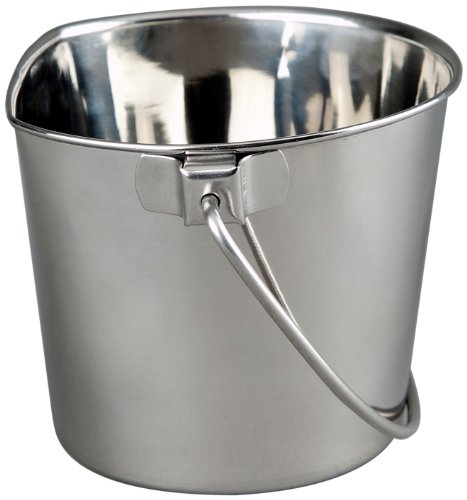


Pro Tip: Always go for stainless steel buckets when milking. There’s some debate about galvanized steel being potentially toxic, so it’s better to play it safe and stick with stainless.
If you’re milking multiple goats, consider pouring the milk from each doe into separate mason jars. Not only does this help you measure how much milk each doe is producing, but it also makes it easy to track any changes or potential issues.
Don’t forget to label the lids with each goat’s name! It’s a simple step that helps you stay organized and monitor milk production over time.
Step #4: Keep Your Containers Cold
This might just be the most important step in milking.
If your milk has a weird taste, there’s a good chance it’s because it isn’t being cooled fast enough. Fresh goat milk comes out warm, so you’ve got to cool it down to 38°F as quickly as possible.
Pre-freeze Mason Jars
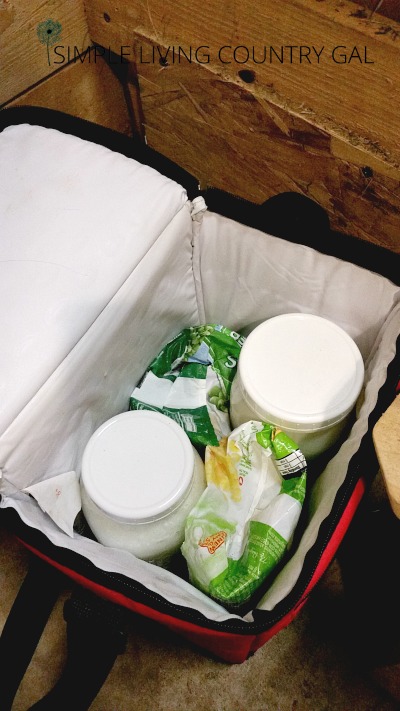
One of the simplest ways to do this is by pre-freezing your mason jars overnight. Then, in the morning, pop the frozen jars into a small cooler along with some ice packs. Bring this handy setup with you to the milk stall.
Chill Immediately
After milking your first goat, pour the milk into a pre-chilled mason jar, and stick it right back into the cooler with the ice packs. This kicks off the cooling process immediately. The faster the milk cools, the fresher it’ll taste.
SLCG Pro Tip: Also, here’s a fun tip for your cooler: Use frozen peas or corn instead of traditional ice packs. They’re flexible, mold perfectly around the jars, and only cost about a buck per bag. When the bags eventually tear, just feed the veggies to your chickens as a little treat. Win-win!
Setup a Milk Routine
To streamline your goat milking routine, try tackling all your other barn chores first. That way, once you’re done milking, you can head straight inside to filter and chill the milk right away. It’s quick, easy, and keeps your milk as fresh as possible.
Step #5: Filter Your Milk
Filtering your milk is the best and only way to remove any dust, hair, or other debris. It’s something you’ll want to do sooner rather than later, and sometimes, even more than once.
Filter in the Barn
If your barn has a dirt floor, dust can be a never-ending battle. Dirt floors tend to kick up debris no matter how clean you try to keep things. To tackle this, it’s a good idea to filter your milk right in the milk stall. Keep a few filters handy in your milking area, and pour the milk directly from your pail into mason jars. Pop on the lids to keep things secure until you get back into the house.
Filter in the House
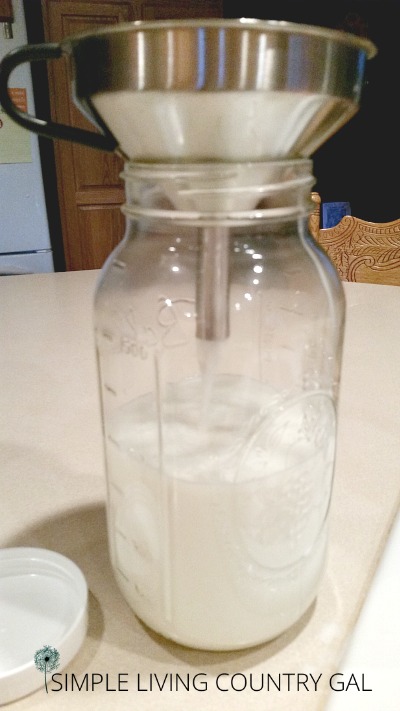
Once you’re inside, give your milk another filtering into fresh jars. I swear by filter disks—they’re excellent at catching the tiniest specks of hair or dust.
Choose the Right Jars
I’ve been using 1/2-gallon glass jars that I found online, and they’ve been a game-changer. Even when you’re extra careful, little bits of dust or hair can sneak in, so filtering ensures your milk will stay clean and ready to use.
Toncoo Stainless Steel Kitchen Funnel, Metal Funnel for Kitchen Use Filling Bottles Transferring of Oils, Liquid, Jam, Powder & Dry Ingredients (1)Shenandoah Homestead Supply Kenag Milk Filter Disks 8Ball 64 ounce Jar, Wide Mouth, Set of 2


Use Stainless Steel Tools
When it comes to filtering, stainless steel is worth the investment. Not only is it more durable, but it also doesn’t absorb odors the way plastic does, which can impact the taste of your milk. Sure, stainless steel tools might cost a bit more upfront, but you’ll save in the long run with less waste and better-tasting milk. It’s definitely worth it.
Step #6: Get the Milk into an Ice Bath Right Away
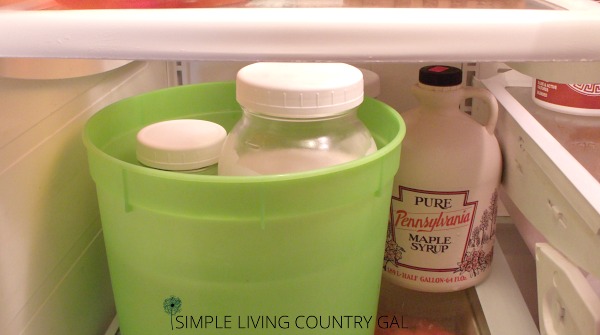
If there’s one thing that makes all the difference in great-tasting milk, it’s getting it ice-cold as fast as you can. Keeping an ice bath ready in your fridge is also a big help. Once you bring in your fresh milk, place the jars into the ice bath to finish cooling down. This little step helps get the milk to that perfect temp in no time.
After about an hour, go ahead and move the jars from the ice bath into your fridge. Here’s a handy tip inspired by grocery stores: always put the newer milk in the back and bring the older milk to the front. That way, your family will drink everything in the right order!
Are you seeing a trend here? Cold milk means delicious milk.
Other Tips for Better-Tasting Milk
If you’re still running into issues with the quality of your milk, these tips might help you troubleshoot and get things back on track.
Keep Your Bucks at a Distance
Got bucks on your property? If so, you’re probably familiar with the strong, musky smell that comes with rut season. To keep this odor from affecting your milk, make sure your bucks are kept downwind from your dairy goats.
Goat milk is like a sponge; it absorbs the smells around it. The fewer odors lingering nearby, the better your milk will taste.
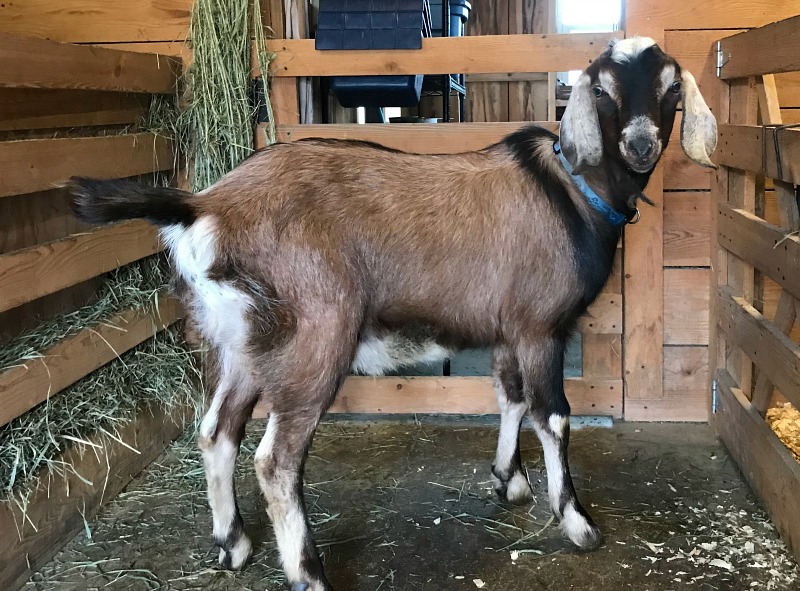
Watch What You Feed Your Dairy Goats
Here’s a lesson I learned the hard way. A few years ago, I decided to feed my goats some garlic from the garden after hearing it was a great natural wormer. They loved it, but guess what? My milk ended up tasting like garlic. Turns out, what goes into your goats will absolutely come out in their milk.
Pro Tip: If you’re feeding your goats kelp and notice the milk flavor seems off, try cutting out the kelp for a bit. While it’s not always an issue, kelp can sometimes impact the taste of the milk.
I once had an Alpine goat whose milk tasted awful, no matter what I tried. A friend recommended removing the kelp, and sure enough, the milk flavor improved dramatically after just a few days.
By paying attention to your goats’ environment and diet, you’ll be one step closer to consistently great-tasting milk.
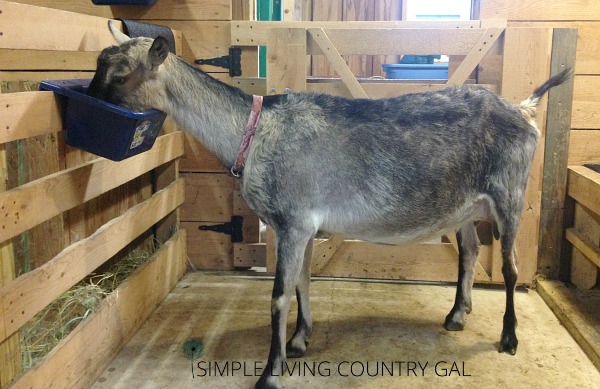
Frequently Asked Questions About Better-Tasting Goat Milk
1. Why does my goat milk sometimes have a strange flavor?
Goat milk can pick up flavors from a number of things, including what your goats eat, their living environment, and even nearby odors. For example, feeding your goats food with strong flavors like garlic or onions can lead to milk that tastes off. Additionally, if bucks are nearby, their odor can affect the milk’s flavor, especially during rut season. Keeping bucks downwind and being mindful of your goats’ diet can make a huge difference.
2. How can I stop my milk from tasting “goaty”?
“Goaty” milk flavor often comes from the milk absorbing smells around it or improper handling. To avoid this, always filter and chill the milk as quickly as possible after milking. An ice bath works wonders to bring the milk temperature down fast. Also, ensure the milking equipment is thoroughly cleaned and use stainless steel tools instead of plastic, which can hold odors. These steps help keep the milk fresh and clean-tasting.
3. What should I avoid feeding my dairy goats to keep the milk tasting good?
It’s best to avoid foods with strong flavors, like garlic or onions as those can impact the flavor of the milk. Even kelp can sometimes affect the taste, so if you notice a flavor change, try eliminating it for a few days to see if it helps. Instead, stick to a balanced and consistent diet of hay, grains, and approved supplements for the best-tasting milk.
Great tasting goat milk is possible every time you milk if you follow a few key steps. Keeping things clean, feed the right foods, and cooling your milk down right away will get you on the way to the best milk in town.
Follow these 8 steps for delicious tasting Goat milk, and you will always have a fridge full of milk that everyone loves.
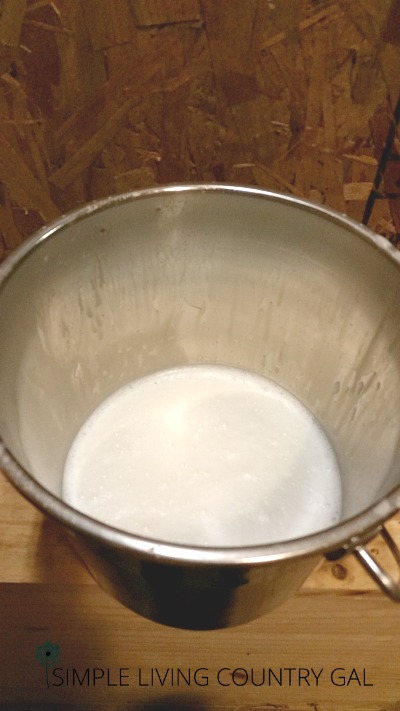



I tried the whole pail thing and found it was much easier to just milk into quart mason jars. I use the rims to keep coffee filters in place (no hair or dust in my milk!), although you can’t screw the lids on too tight or they balloon up. I get to keep each does milk separate (makes it easy to tell if something is going wrong before you find it in the strip cup because the milk will taste different before you see it), and I get a good idea of how much milk each is producing without having to measure or weigh anything.
Hi Natasha,
When I am only milking one goat I also milk right into a mason jar. I have found it much easier to use the bucket when milking multiple goats. I pour the milk into mason jars with the goat’s name written on the lid. That way I know who gave what milk. I love how you use the rims to keep the filters in place, I will have to use this tip!
We freeze water in bottles and put two in the pail and milk over them. Instant chill. Bottles are always washed and put back in freezer for next milking. Always use stainless pail. Love goat milk.
Reba,
What a great idea! Something I will definitely have to try out 🙂
Thank you so much for sharing this post on Our Simple Homestead Hop! This spring we will be adding Nigerian Dwarf goats to our homestead and I need all the tips I can get! I’m beyond excited and think I’m driving the hubby crazy!
Oh, I am so excited for you! Your life will never be the same once you start your adventures with goats!
what do you use for filtering the milk. is jus using a coffee filer enough
Hi Mary Kay,
I have tried to use coffee filters and they are okay in a pinch, but they just aren’t sturdy enough if you are milking more than a couple goats. The disk filters I use are $5.60 for 100 which comes out to less than 6cents a filter. I use the same filter for all goat’s milk at each milking. If you are only milking one or two goats the coffee filters should work just fine.
Thanks for stopping by!
Tracy Lynn
What do you feed your goats to get the best tasting milk?
Hello, Cara!!
I feed a barley and oat mixture that I soak in water and ACV (apple cider vinegar). I then mix in BOSS (black oil sunflower seeds) and supplement with herbs.
I would love to know about your feed ration. My son raises dairy goats and has a hard time with keeping them at full milk production.
That is a pretty loaded question, Cassandra!
I raise large Nubian goats and when I have them in milk I feed a large portion of Chaffhaye and 1-3 cups of feed soaked in ACV. When there is an issue with milk production and I have checked all other areas that may be causing issues, then I will try increasing the feed. But that is always my last resort.
If they are healthy, worm-free, parasite free, and have access to a good quality browse then increasing feed slowly maybe something to try. You can also do the natural approach and add Fennel to encourage milk production. Are these goats that usually produce well that no longer are? Another thought is they may be just low producers too.
This is a tricky area and one that can be incredibly frustrating for goat owners.
Tracy Lynn
We just added 2 year old Nigerian dwarf does to our farm that I was gifted (yay! I’ve always dreamed of owning them!) And this post was so chock full of amazing info! Thanks so much! I can’t wait to get started! They will be meeting their buck sometime in the next 3 months.
Congrats, Kelley! Welcome to the wonderful (and sometimes chaotic) world of goats!
Tracy Lynn
Hi, I have young children and was told to pasteurise the milk first before giving it to the children. How does this all work when trying to keep the milk constantly cold. Does pasteurising the milk make it taste different?
Hey, Sharon….
We raised all of our kids on non-pasteurized goat milk. With that being said, not everyone is comfortable drinking the milk without pasteurizing it so that will have to be your decision ultimately.
Just remember, pasteurizing was introduced back in the day when clean animal pens were non-existent. Today with modern ways to keep things clean and sterilized it is easier to keep the milk clean as well.
Again, do the research and make a decision that is based on your family and your convictions. 🙂
Tracy Lynn
Hi there! This was all awesome information! I appreciate you putting it out there! I just wanted to add, as maybe an edit, that you should NEVER use galvanized steel pales, as it is toxic and will seep into your milk! Stainless steel is the way to go! T
Yes, great point! I will add that info in.
Tracy Lynn