City Homesteading
City Homesteading is proof that you don’t need acres of land or a red barn to live a more intentional, self-sufficient life. Whether you’re in a city home, a duplex, or a small apartment, there are meaningful ways to bring simple living into your everyday routines.
This guide is filled with practical homesteading tips designed to help you eat better, waste less, and feel more connected to how your home runs, no matter your space. Small changes truly add up, and you can start right where you are.
Today’s world is always changing, and it seems like there’s a new gadget popping up every week that promises to make life easier. And honestly, it can be really tempting to pay for that shortcut, especially when time and energy feel limited. The problem is, many of those “easy fixes” end up costing more than they’re worth. What starts out feeling like a smart investment often turns into a time drain, with minutes (or even hours) spent trying to make it work the way it was promised.
A few years ago, we learned this lesson the hard way when we bought a robot vacuum. At first, I loved the idea of it. In theory, it sounded perfect and I was beyond excited to have my floors cleaned without having to lift a finger.
But in real life? Getting it ready to run took at least 10 minutes as I moved things that might trip it up, and a full cleaning cycle took well over two hours. And don’t even get me started on how many times I had to “rescue” it because it was stuck…again. Before long, I realized that if I just cleaned the floors myself, I could finish in a fraction of the time, and do a better job.
It was an expensive lesson, but a valuable one. It reminded me that shortcuts aren’t always better. Sometimes the simplest way really is the best way, and choosing simplicity can actually give you back more time, more control, and a lot more satisfaction.

What does a homesteading lifestyle mean?
When you really break it down, a homesteading lifestyle is about living life on your own terms. It’s choosing to do some things yourself, at your own pace, in a way that makes sense for you and the space you’re in. It’s not about perfection or doing everything, it’s about intention.
Self-sufficiency is often part of that conversation. The Oxford Dictionary defines self-sufficiency as needing no outside help in satisfying one’s basic needs, especially with regard to the production of food. And honestly, that definition is spot on. Food affects every living member of our homes, both human and animal, so having even a little control there feels empowering.
Homesteading, at least the way we live it, isn’t about cutting yourself off from the world or doing things the hard way just to prove you can. It’s about being resourceful, learning as you go, and using what you already have, whether that’s a small kitchen, a balcony, or a shared backyard.
The good news is, you don’t have to live in the countryside to try self-reliance. You just have to be willing to take a closer look at how you live today and decide what you’d like to do a little differently.
City Homesteading
City homesteading is simply what homesteading looks like when you live in a busy, built-up area. It’s about taking the values of simple living and self-reliance and adapting them to smaller spaces, with closer neighbors, and everyday city life.
While limited space and local rules can make things feel challenging, homesteading has changed over the years. Today, it’s far more flexible than most people realize.
City homesteading isn’t about doing everything; it’s about doing something. It’s learning to work with what you have, right where you are, and letting small, intentional choices slowly shape the way you live.
Starting Your City Homestead
One of the biggest misconceptions about homesteading is that you have to do everything to be considered “a real homesteader.” That couldn’t be further from the truth. City homesteading is not about tackling a long checklist, it’s about choosing a few skills or projects that fit your life right now.
There are many ways to bring homesteading into a city home. Some focus on food, others on household skills, and some simply help you become more self-reliant day by day. A few common city-friendly homesteading projects include:
- Gardening
- Canning and preserving food
- Raising small animals like bees or chickens (where allowed)
- Making soap, lotions, or shampoo
- Mixing up homemade cleaners
- Candle making
- Composting indoors
- Frugal eating and cooking
- Learning to barter or trade
- Building everyday skills so you can do more on your own
You don’t need to choose more than one or two of these to get started. In fact, trying to do too much too quickly is one of the fastest ways to feel burned out. Many people begin with gardening simply because it connects so naturally to food and daily life, which is why we’ll focus there first.
If gardening feels like too much right now, that’s okay too. City homesteading is about progress, not pressure. You’re allowed to start small, pause when life gets busy, and grow into this lifestyle at your own pace.
Step #1. Know your Why
Before you dive into any city homesteading project, it helps to pause for a moment and think about why you’re drawn to this lifestyle in the first place. There’s no right or wrong answer here. Your “why” might be about food, health, saving money, slowing down, or simply wanting to feel more capable and confident in your own home.
Some people call this a mission statement, and while that might sound a little formal, the idea behind it is simple. When homesteading feels hard, and at some point, it probably will, having a clear reason for why you started can help you stay grounded. It reminds you that you’re not doing this just to add another task to your plate, but because something about this way of living matters to you.
Your reason doesn’t need to be big or impressive. Wanting better food, fewer chemicals in your home, or a quieter pace of life is more than enough. And that reason may change over time, which is perfectly okay. City homesteading isn’t about sticking to a rigid plan, it’s about growing into a lifestyle that supports the life you want to live.
Action step: Take a few quiet minutes and finish this sentence: “I want to try city homesteading because…” Write it down somewhere you’ll see it again when motivation dips.

Step #2. Evaluate Your Space:
Once you know your “why,” the next step is taking a good look at the space you have to work with. And don’t worry if it feels small, city homesteading is all about working with what you’ve got, not wishing for more.
Start by noticing all the spots where something could grow or be made: a sunny windowsill, a balcony, a porch, or even a counter in your kitchen. Think about the natural light, how much foot traffic the area gets, and what would be easy to access day-to-day.
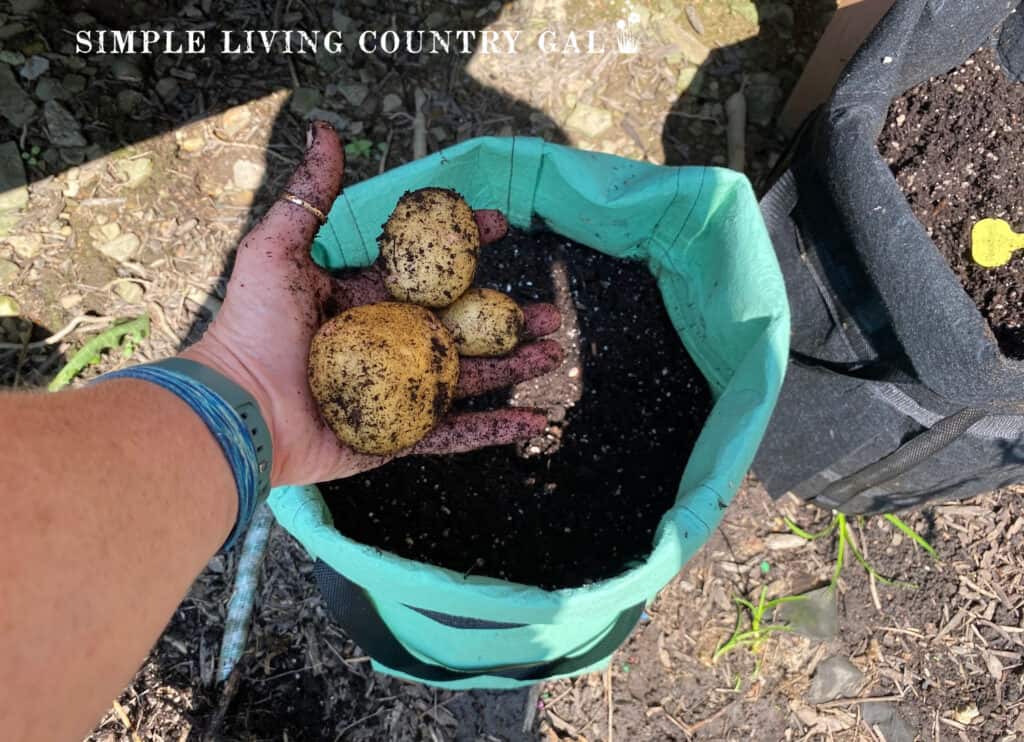
If you have a small yard, things like container gardens, grow bags, or a small raised bed might work beautifully. A balcony or patio can hold pots, vertical gardens, or a small herb tower. And if you don’t have any outdoor space, indoor gardening is absolutely possible; you can use pots on counters, small table-top systems, or even a hydroponic setup if you want to get fancy.
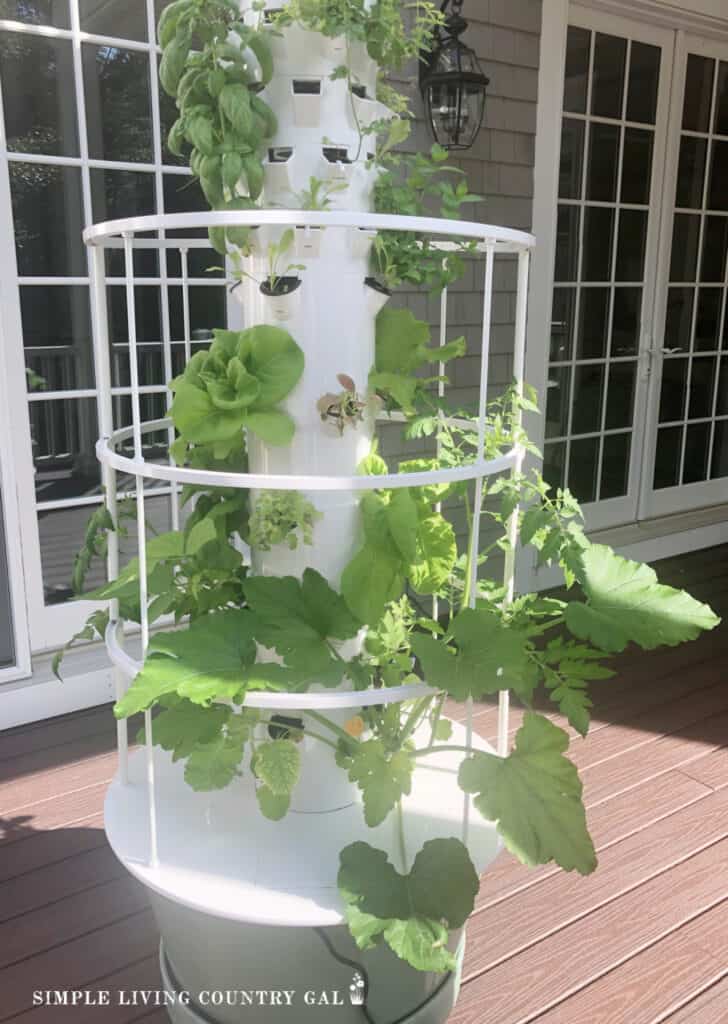
The goal here is simple: know what you have to work with so you can realistically plan your projects without feeling frustrated or stuck. Even tiny spaces can be surprisingly productive with a little creativity.
Action step: Walk through your home and note every spot that could host a plant, container, or mini-project. Jot down sunlight levels, available space, and any limitations you notice. This snapshot will help you decide what to start with first.
Step #3. Plan Your Garden:
Now that you know what space you have to work with, you can plan out your garden. Remember to choose a growing setup that fits the room you have. Here are a few ideas:
- A small yard – Grow bags work great and are easy to move around.
- A patio or porch – Container gardens work great. You can use a raised table, growing pots, vertical gardens, or stadium containers.
- No outside space – An indoor garden is your best bet. You can use small pots on a counter, purchase a table top growing system, or a large all in one hydroponic setup.
Once you’ve understood the potential of your space, you can plan your garden that will work best. You may be surprised at the variety of fruits, vegetables, and herbs you can grow even in small spaces.
Action step: Pick one space and one type of plant to start with. It could be a sunny windowsill with herbs, a balcony container with lettuce, or a few grow bags on your back porch steps. Make a quick sketch or note of where it will go and what you’ll plant first. Try to keep it simple, you can always expand later.
More Gardening Help:
Step #4. Learn to Compost
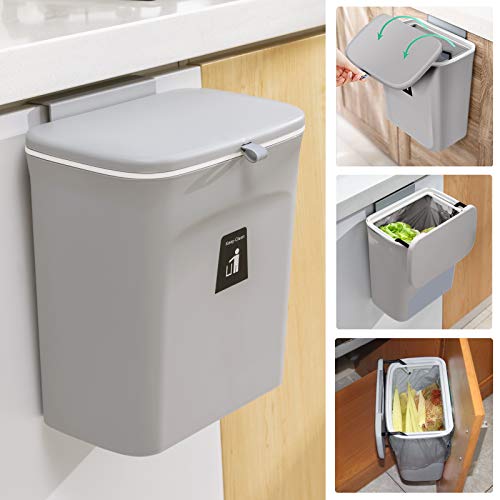
Composting might sound intimidating if you live in an apartment or don’t have a yard, but it’s actually one of the easiest ways to make your city homestead more sustainable. Even a small indoor compost system can turn kitchen scraps into nutrient-rich soil for your plants.
The good news is there are many options on the market today that work from a small bin under the sink, a countertop compost pail, or clip on option that is super convenient.
Vegetable peels, coffee grounds, eggshells, and tea bags are all compostable, and they’ll break down into soil that can feed your indoor or container garden.
Action step: Start by choosing a small container for your kitchen scraps. Label it clearly and place it somewhere convenient, like under the sink or on a counter. Begin saving vegetable peels, coffee grounds, and eggshells. You can transfer them to a larger compost system or container garden soil once you’re ready.
Tiyafuro 2.4 Gallon Kitchen Compost Bin for Counter Top or Under Sink, Hanging Small Trash Can with Lid for Cupboard/Bathroom/Bedroom/Office/Camping, Mountable Indoor Compost Bucket, Gray Perfnique Kitchen Compost Bin, 1.3 Gallon Countertop Compost Bin with Lid, Indoor Compost Bucket Includes Inner Bucket Liner and Carbon Filter, Small Compost Bin (Without Bags, Cream)Ouaken 4L Electric Composter for Kitchen, Smart Countertop Compost Bin, Odorless | Low Noise | Auto-Cleaning | Turn Food Waste into Fertilizer, Indoor Food Waste Compost Machine, White


Step #5. Harvest Water
Watering your plants is one of those everyday tasks that can feel like a chore, but it’s also an opportunity to be more sustainable. Harvesting water doesn’t have to be complicated, even in a city setting, there are simple ways to collect and reuse water for your garden.
- If you have a balcony or patio, a bucket or large container can catch rainwater.
- You can also save water from rinsing vegetables and use it to hydrate your plants.
Even a few cups a week can make a difference for container or indoor gardens.Action step: Place a bucket, large bowl, or small container outside to catch rainwater or leftover clean water from the kitchen. Make a habit of checking it daily and using it for your plants. Start with just one container and see how easy it is to incorporate into your routine.
Step #6. Learn to Preserve Food
One of the most rewarding parts of city homesteading is learning to preserve food and the good news is, you don’t need to grow the food to preserve it. Visit a farmer’s market and get a deal on a bushel of tomatoes that you can use to fill your shelf.
There are several beginner-friendly methods you can try out:
- Freezing: Wash, chop, and freeze fruits or vegetables in small portions. Perfect for herbs, berries, and greens.
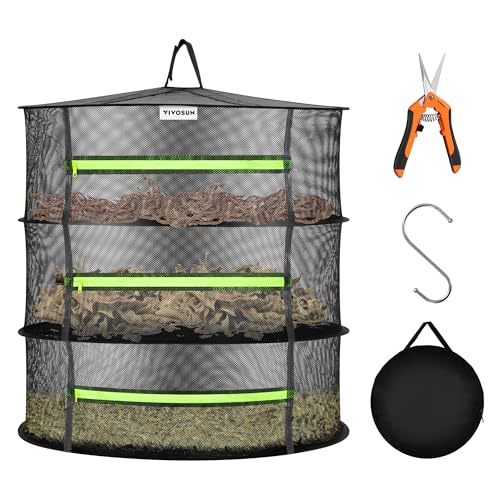
- Drying/Dehydrating: Dry herbs, tomatoes, or fruit for long-lasting storage without needing a big pantry.
- Canning: Jams, pickles, or sauces can be preserved in jars. Even a small kitchen can handle basic water bath canning.
If you are new to preserving food, start with one method, like drying herbs and expand from there.
Action step: Pick one method to try this week. For example, harvest a few herbs from your windowsill and dry them, or wash and freeze a small portion of vegetables from the store or farmer’s market. Start small; you can expand as you get comfortable.
Canning Pot-Canning supplies starter kit, Stainless Steel Canning Tool Kits Set for Beginners, Water bath canner with rack for canningVIVOSUN 3-Layer Mesh Drying Rack Hanging Design with Green Zippers for Dehydrating, Indoor and Outdoor Pruning Shears Included2-Pack Silicone Freezer Trays with Lid,6 Large 1/2-Cup(125ml)&15 Small 2 Tbsp(30ml) Soup Freezer Container Molds,Ice Cube Tray For Meal Prep&Freezing Soup,Stews,Sauces, Garlic, Herbs (Blue 2 Pack)


Other City Homesteading to Consider
Beside growing your own food there are other areas you may want to try. Let’s go over a few quickly to give you an idea of all the options that are out there.
Animals
Even though livestock is off the table, you may still have enough room to raise smaller animals, such as chickens, rabbits, or bees. Be sure to check your local regulations before bringing any animals to your property.
Fermentation
Fermentation is another way to preserve food that is quickly gaining popularity. Fermentation is preserving vegetables in salt water or brine giving a unique taste to foods. The most common is taking cucumbers and making them into pickles.
Making soaps, candles, and lotions
Another great project to try out is soap and candle making. It is really easy to do and allows you to be more in control of ingredients.
The Soapmaker’s Companion: A Comprehensive Guide with Recipes, Techniques & Know-How (Natural Body Series – The Natural Way to Enhance Your Life)CraftZee Large PREMIUM Deluxe Soap Making Kit – All-in-One Soap Making Supplies with Soap Base, Soap Cutter Box, Silicone Loaf Molds, Fragrances & More – Homemade Melt & Pour DIY Craft KitsUCEC Soap Cutters for Soap Making Loaf Slicer, Adjustable Wooden Soap Cutter Single Wire Soap Cutting Tool with 10 Replacement Wires for Making DIY Soap Cutting Butter Cheese


Homemade Cleaners
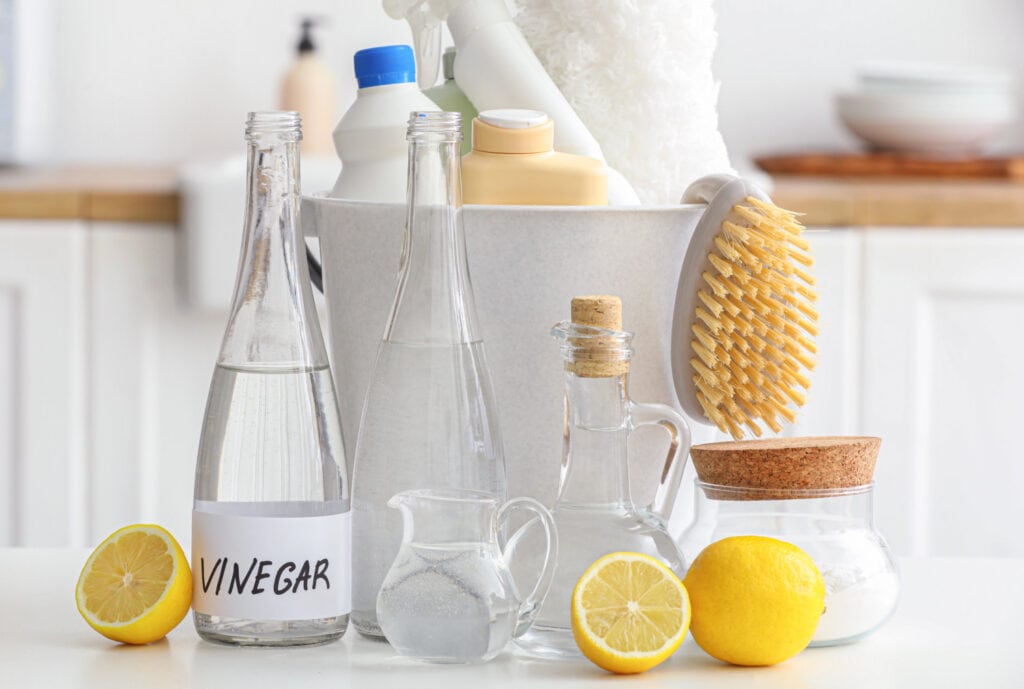
Creating your own cleaning products is another excellent step towards a more sustainable lifestyle. Not only do homemade cleaning products reduce plastic waste, but they also avoid the harsh chemicals present in many store-bought items.
More Cleaning Reads:
Legal considerations: zoning laws and homeowner association rules
Before you begin any homesteading project, it’s important to understand and comply with the specific legal considerations that might affect your plans. These potentially include zoning laws and homeowners association (HOA) rules.
Zoning Laws: These regulations govern what activities and improvements are allowed on a property. They vary widely from city to city, and even from one neighborhood to another. For example, some zones might allow backyard chickens, while others may prohibit them. Keeping livestock, constructing outbuildings, or even the type of gardening you plan to do, may be regulated. It’s crucial to research and understand the zoning laws in your city and locality before you start.
Homeowner Association Rules: If you live in a property governed by a Homeowners Association (HOA), there might be additional rules to consider. These can limit what you can do with your property, including restrictions on gardening, livestock, exterior changes, and more. Make sure to review your HOA’s covenants, conditions, and restrictions (CC&Rs) to understand what is and isn’t allowed.
In both cases, remember that rules can change. Stay informed to avoid fines or conflicts.
City homesteading is a great way to enjoy living a self-reliant lifestyle no matter where you live. Try out a few of these ideas and see if this way of living is right for you. Plant a few containers with your favorite veggies, try out your hand making soap, and stock up on homemade cleaners and join the homesteading club today!
More Homesteading Resources: