
Chicken Perch Ideas
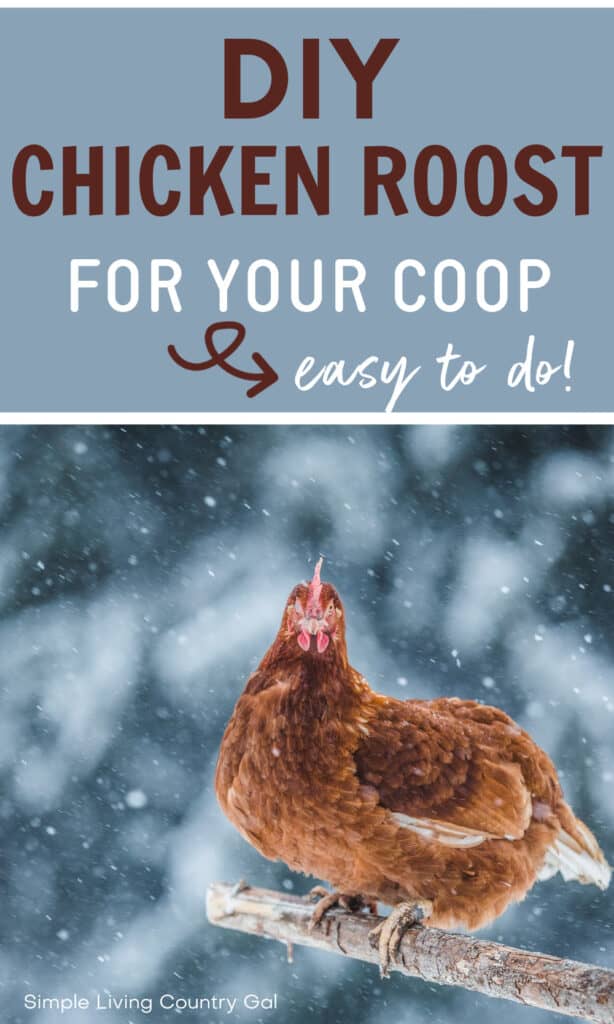
Looking for Chicken Perch Ideas that are affordable and easy to build? This guide shares simple DIY options to help your flock roost safely and sleep comfortably. When you’re raising chickens, a good perch is an essential part of a coop.
It needs to be the right size, secure, and built in a way that your birds will use it, allowing them to be relaxed, healthy, and far less stressed at night.
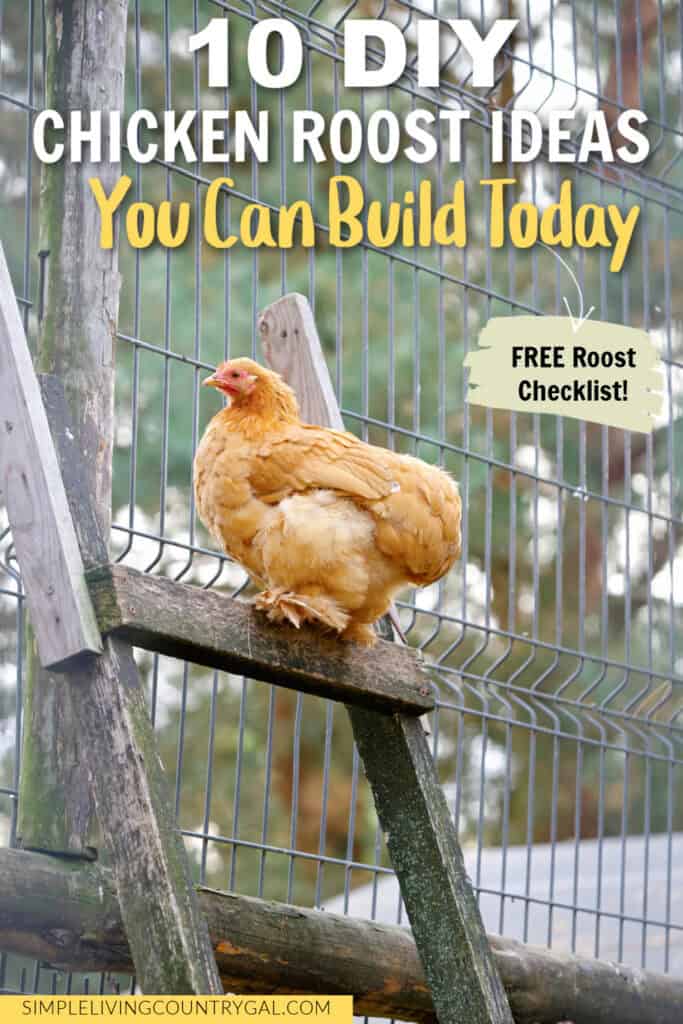
When we first got chickens, I was surprised by how easy they were to care for. Give them a sturdy coop, some room to scratch and roam, and food plus water they can grab whenever they need it, and before you know it, you’re gathering those fresh golden eggs almost every day.
But I also learned a few things by watching our own flock. Chickens don’t see well once the sun goes down, so they naturally look for a safe, elevated spot where they can settle in for the night. That’s where a good roost comes in, and choosing the right one for your setup, your flock size, and your climate makes all the difference.
Chicken Perch Ideas: Budget-Friendly DIY Options That Actually Work
Building a chicken perch doesn’t need to cost a fortune, and the good news is that the best designs are often the simplest. My goal is to help you walk away with a clear design that works for your setup and gives your birds a safe, comfortable place to sleep.
Whether you have six hens or twenty, the right perch will reduce nighttime stress, prevent crowding and squabbles, and help keep your coop cleaner.
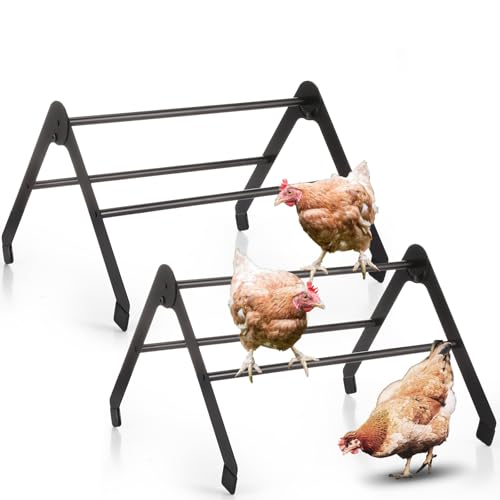
YUMEKA Chicken Roosting Ladder,Chicken Perch for Coop,Chick Roosting Bars, Cock Coop Toys, Suitable for Chicken Run and Chicken Perch, Backyard Poultry, Farm Roost Toys for Hen 55.1′ L x 40.1′ W Moxweyeni 2 Pack Adjustable Chicken Perch for Coop Heavy Duty Metal Chick Roosting Bar for Brooder Training Perches for Mini Chicks Easy to Assemble and CleanChicken Perch Swing, Chicken Roosting Bars with Ladder for Coop, Metal Pet Swing Set for Pet’s Healthy & Happy for 8-10 Chick, Grey


Repurposed Perch Ideas Using Items You Already Have
If you need something today or want a zero-cost option, start here. These choices work well while you’re planning a more permanent design, or they can last long-term if built securely. They’re especially helpful for small to medium flocks.
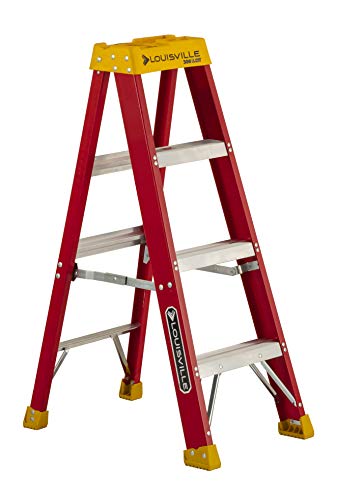
1. Step Ladder Perch
A step ladder creates instant multi-level roosting space. It is quick to use, will stand up well over time and gives you a fast solution. You will need to secure it to the floor of the coop so there is no risk of it toppling over.
Why it works:
- The rungs give hens height options.
- Perfect for mixed flocks, since dominant hens naturally take the higher steps.
- A quick solution when you need a roost now or an addition roost for any hens that are being bullied or hen-pecked.
Best for: 4–12 hens depending on the height of the ladder.
Tip: Sand each rung to remove slickness and add grip.
Louisville Ladder 4-Foot Fiberglass Step Ladder, 300-Pound Load Capacity, Type IA, L-3016-04Kate 3 Step Stool Folding Ladder Wood Step Stool Wooden Step Ladder Photography Stool for Photography Props Maximum Load 300lbsHBtower 5 Aluminum Step Ladder, Strudy Ladders for Home with Tool Tray, Anti-Slip Folding Step Stool for Adults, Light Weight Portable 330lbs Safety for Kitchen Warehouse Outdoor Work


2. Solid Tree Branch
A thick branch mimics a natural roost that chickens instinctively prefer. It is simple to make and costs no money but you will need to ensure it is secure and will not roll or move around. Also, look for a thick sturdy brand that will hold up under the weight of multiple birds.
Why it works:
- Comfortable for their feet due to natural curvature. Be sure it is a wide branch as chickens are not perches like small birds are and prefer to be more flat footed overall.
- Easy to mount between two blocks, stumps, or brackets.
Best for: Any flock size
Tip: Choose a branch 3-4 inches wide and not dried out, so it doesn’t snap with weight.
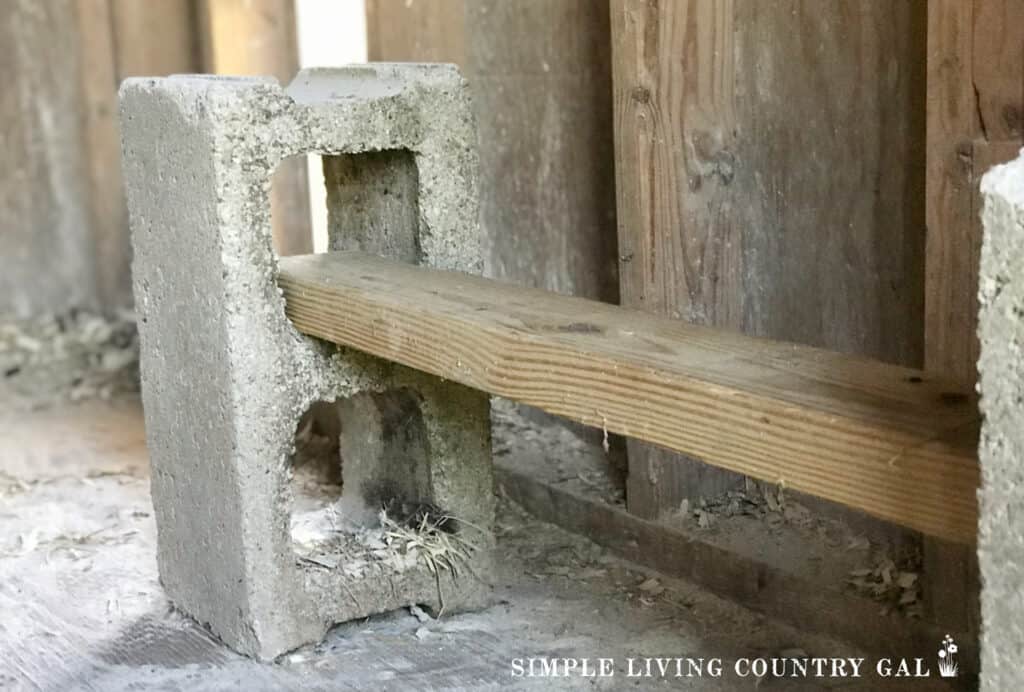
3. 2×4 on Cinderblocks
This is one of the easiest beginner-friendly perches that is quick to make, secure and stable, and can be setup at any height or length making it adjustable.
Why it works:
- Simple, stable, and adjustable allowing you the ability to move it if the area you chose is not working out.
- Great for backyard chickens learning to roost as you can start out lower and move it up as they adjust.
Best for: 6–15 hens
Tip: Place the 2×4 with the wide side facing up, this keeps their feet flat and warmer in winter.
4. Chair, Bench, or Sawhorse
These household items work great as temporary perches or for younger flocks.
Why it works:
- Elevates chickens off the ground.
- Quick to clean under.
- Lets you test out how high your flock prefers to roost.
Best for: Small flocks (3–6 hens)
Tip: Move things around as you learn the best area for the roost. Be sure to keep in mind the weather so you choose the warmest spot in the winter and the coolest in the summer.
DIY Chicken Perch Ideas (Perfect for Long-Term Use)
These ideas are more permanent, sturdier, and can accommodate larger flocks. They require basic tools but go together quickly, even if you don’t consider yourself a DIY expert.
5. The Broom Handle Perch
This is one of the easiest perches to build from leftovers.
How it works:
- Attach an old broom handle or shovel handle to L-brackets or scrap wood to lift it off the ground.
- Be sure there are no slivers by sanding it down before attaching.
Best for: Small flocks (3–6 hens)
Important: Broom handles are thin, so they work best for bantams or younger birds. Large breeds need wider roosts to grip comfortably.
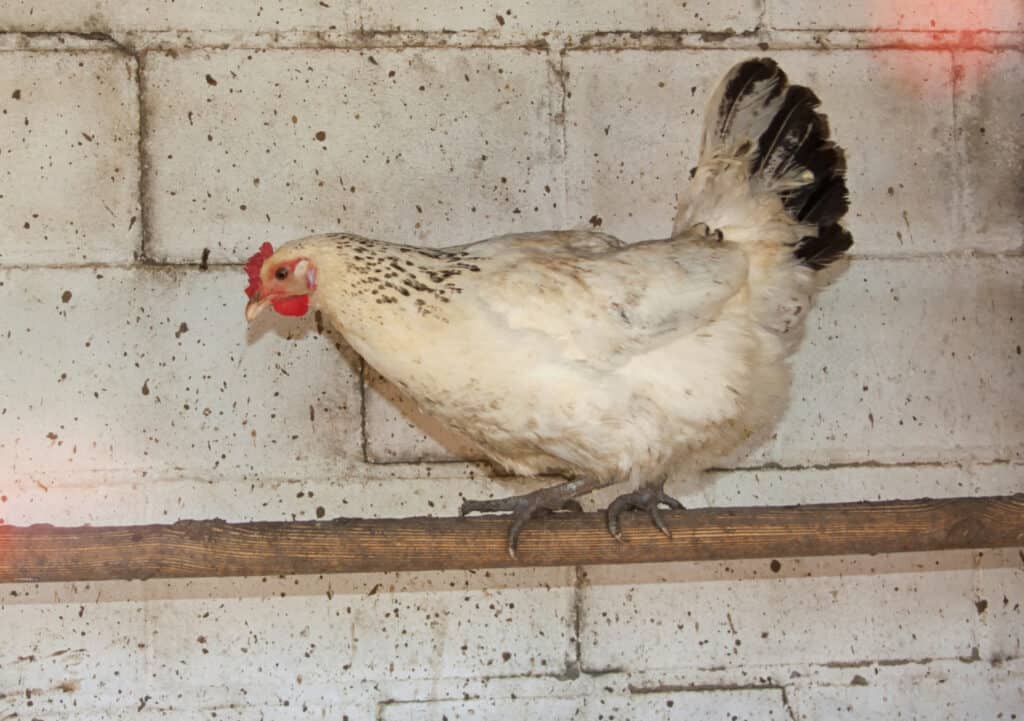
6. Pallet Perch System
This is a great solution for large flocks or coops that need multi-level roosting.
How to build it:
- Stand up two pallets on their sides, parallel to each other.
- Place sturdy boards or thick branches across to form “rungs.”
- Screw the pallets into the coop wall for stability.
Why it works:
- Creates several roosting levels.
- Ideal for flocks with pecking order issues.
- Easy to clean under and around.
Best for: 10-30 hensPro Tip: Use hardwood branches or 2×3 boards for the cross pieces if your hens are heavier breeds.
7. Natural Branch Perch
Similar to the repurposed branch above, but mounted in a more permanent way.
How to build it:
- Choose a sturdy branch 3-4 inches wide.
- Cut it to the width of your coop.
- Mount with L-brackets or secure into notched blocks.
- Ensure it’s level and strong enough for the entire flock.
Best for: Any flock
Why it’s great: Natural materials reduce foot strain and look beautiful inside the coop.
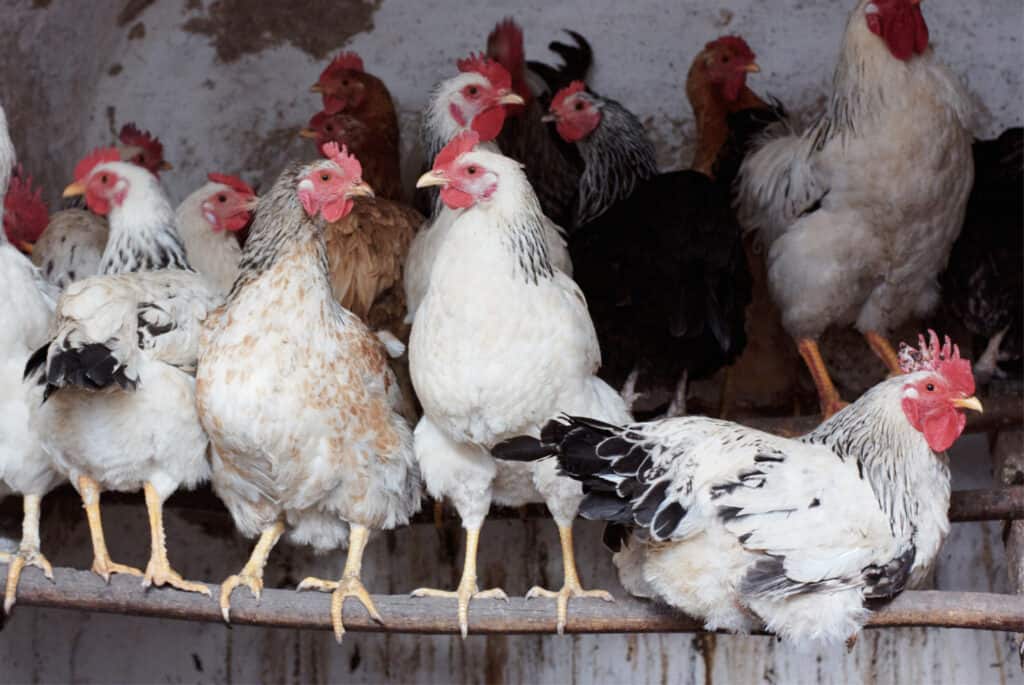
8. Board Perch (Space-Saving Option)
This is the style we use in our own coop, and it works beautifully for larger flocks.
How to build it:
- Mount a solid board (2×4 or 2×6) between two coop walls with heavy-duty L brackets.
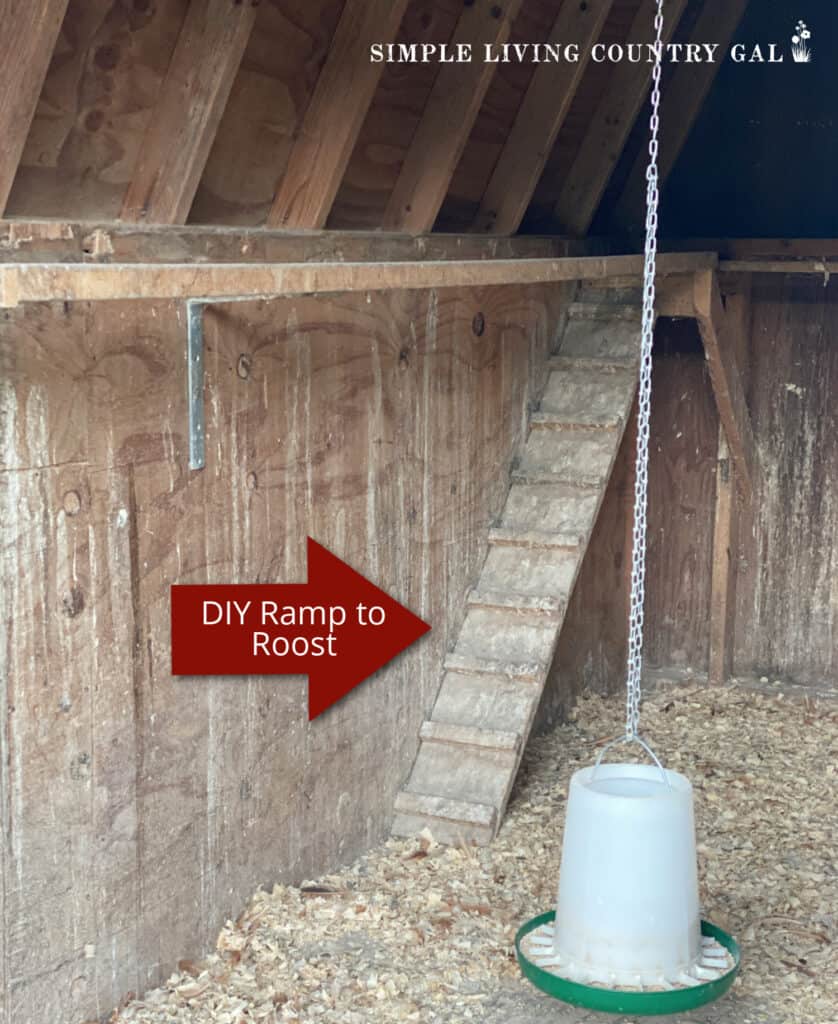
- Add a ramp for easier access if mounted high.
Why it works:
- Provides a broad, comfortable roost surface.
- Great for winter since hens can tuck their feet entirely under them.
- Highly stable, no wobbling.
Best for: 10-20 hens
Tip: If mounting multiple levels, make sure the upper boards aren’t positioned over the lower ones to prevent droppings from falling on other hens.
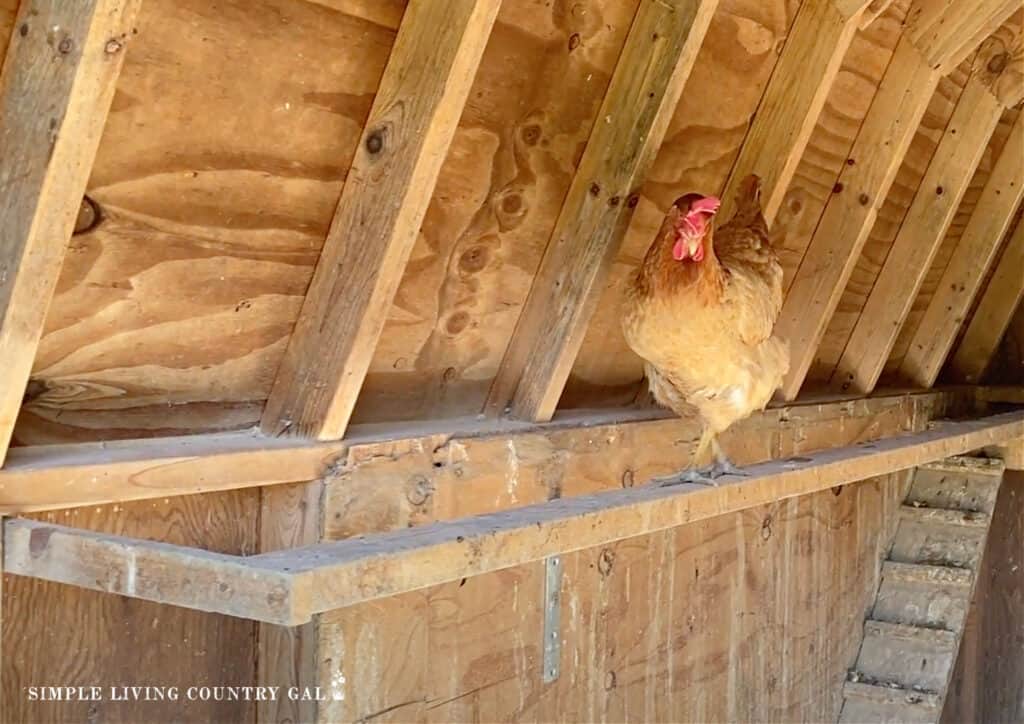
9. Hanging Perch
A creative option that works in tight coops where floor space is limited.
How to build it:
- Cut a thick board to size.
- Drill holes in each corner.
- Run a sturdy rope through and tie secure knots.
- Hang from the coop rafters so the board sits level.
Best for: 1-3 hens (very small flocks)
Note: Chickens prefer stable perches, so if you try this option, test it for wobbling. It’s not ideal for heavy breeds.
Chicken Swing Toy for Coops – Natural Wood 15.75 inch Adjustable Perch & Ladder | Chicken Toys Accessory for Hens, Roosters, Parrots, Macaws | Stress Relief Chicken Swings for Coops (Wooden Stick)Chicken Bird Swing,Chicken Perch,Natural Wooden Swing Toys,Wood Stand for Chick,Safe and Relief of Stress,Chicken Coop Accessories,Coop Swing for Chicken Bird,Parrot,Hens (2pcs)Jorewood 40cm Natural Wooden Chicken Swing Perch with Iron Monkey Decoration & Adurable Rope – Safe Poultry Toy for Hens, Birds with Wooden Beads & Durable Design
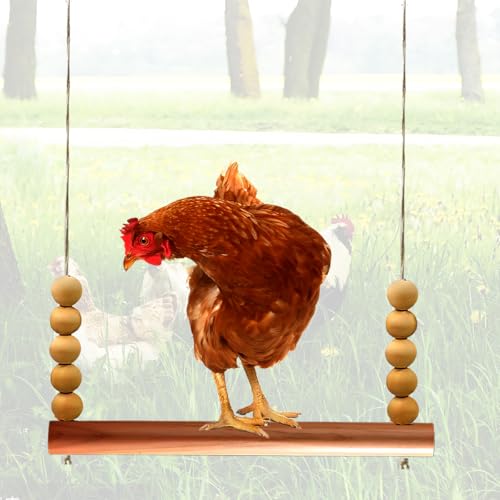


10. Ladder Perch
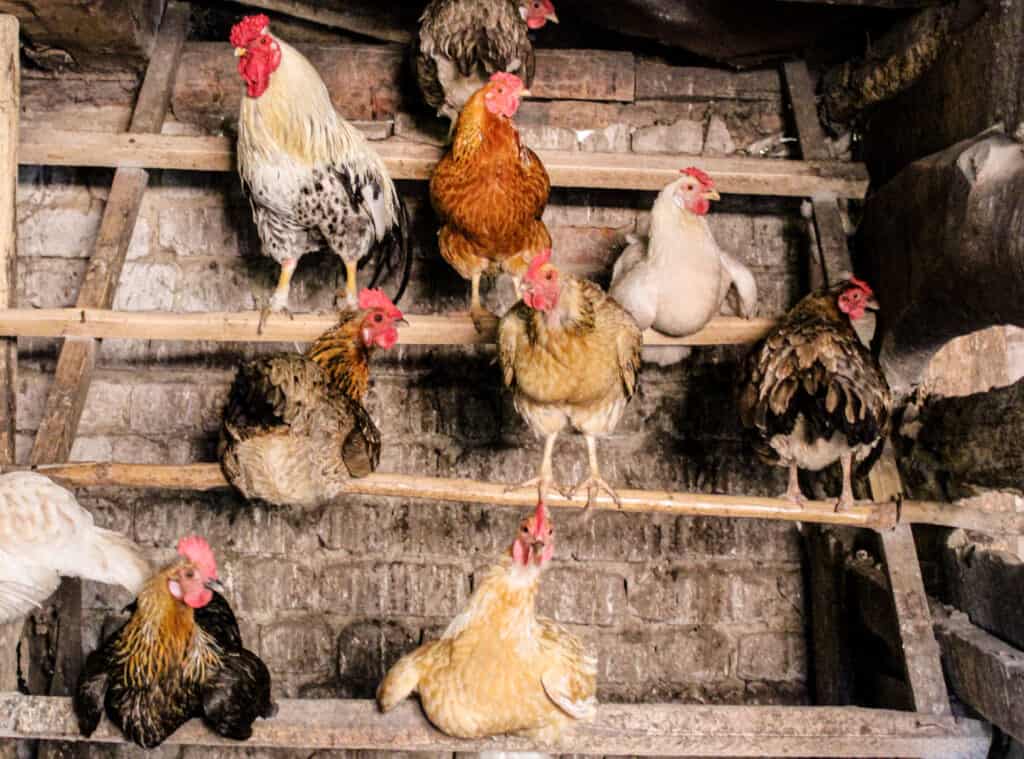
One of the best all-around designs for backyard chickens.
How to build it:
- Build a simple ladder frame from scrap 2×3s or 2×4s.
- Add rungs using broom handles, branches, or narrow boards.
- Lean it against the coop wall or mount the top securely.
Why it works:
- Gives flock members height choices.
- Reduces nighttime fighting.
- Ideal for tight spaces or small coops.
Best for: 8–20 hens
Tip: Place a scrape board under the roost to make cleanup easier. If you hinge the top of the ladder, you can lift it, making it easier to slide the board out.
Using a Combination of Perches (Great for Larger Flocks)
Most flocks benefit from having more than one roosting style, especially if you have hens of different ages, breeds, or personalities.
A smart combination might include:
- A ladder-style perch for easy access for young hens, roosters, or weak hens.
- A higher board perch for your more dominant hens.
- A natural branch in the run for daytime lounging.
This setup spreads out your flock, reduces squabbles, and helps each bird find a roost that feels safe.
Additional Tips for Building (and Maintaining) Chicken Perches
Here are a few quick tips to make any design that you choose more effective:
- Avoid placing feeders or waterers under the perch, unless you enjoy washing poop off everything.
- Allow 8-12 inches of space per chicken so they’re not overcrowded.
- Choose a perch width of 3-4 inches (or a 2×4 laid flat) to support their feet.
- Place perches away from drafts and windows to protect them in cold weather.
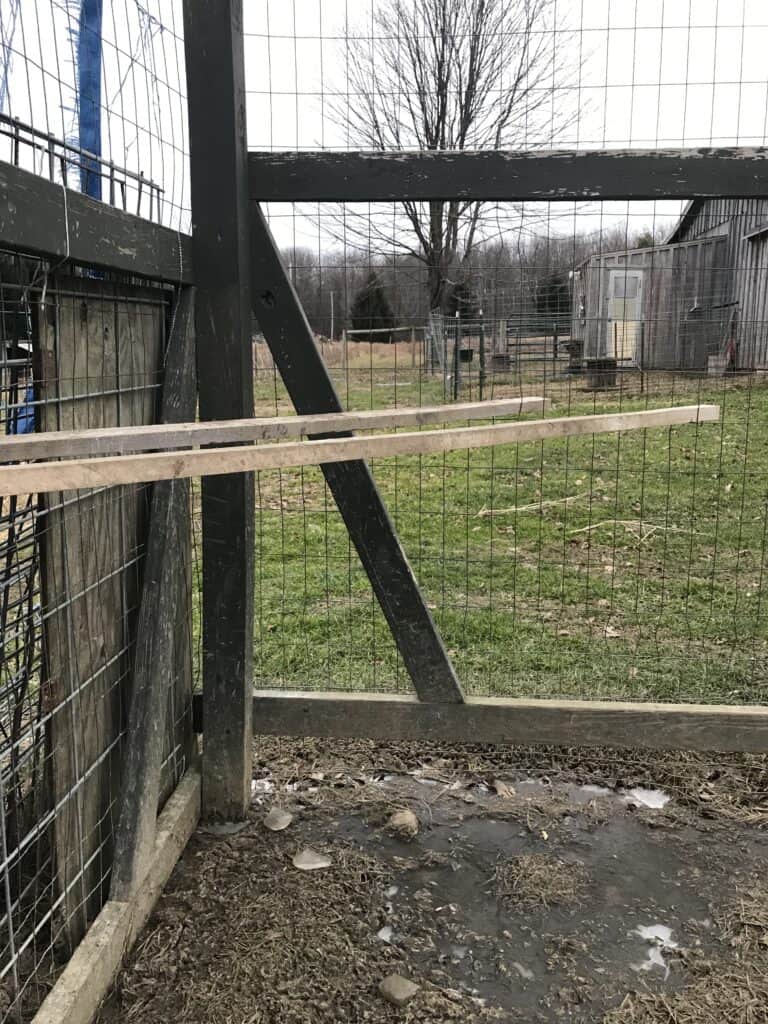
- Add a ramp if the perch is more than 18 inches off the ground.
- Keep the area under the perch clean by giving it a quick scrape each morning.
Frequently Asked Questions About Chicken Perches
A chicken perch (or roost) is an elevated bar or platform where chickens sleep at night. Since chickens can’t see well in the dark, being off the ground helps them feel safer and less vulnerable to predators.
A perch should be stable, comfortable, wide enough for their feet to rest flat, and installed at a height your flock can reach. Plan for 8–12 inches of roosting space per chicken.
Choose a draft-free, dry location away from open windows or doors. Chickens poop while they sleep, so give yourself enough room beneath the perch to easily clean up each morning.
Giving your flock the right perch doesn’t have to be complicated, fancy, or expensive. With a few simple materials and a design that fits your coop, you can DIY a roosting setup that keeps your chickens safe, calm, and comfortable every single night.
And the best part? Once you understand what your hens need, building a perch becomes one of the easiest and most rewarding DIY projects on the homestead.
Start with what you already have, choose a style that suits your flock size and space, and make small adjustments as needed. Before long, you’ll have a sturdy perch your chickens love, and you’ll feel confident knowing you built it yourself.
More Chicken Coop Resources:


Thanks for sharing this very well-written and worth-reading article.
Wish to see more in the coming days.