
Seasonal Chicken Care Checklist-What to do Each MOnth
A Seasonal Chicken Care Checklist is the easiest way to keep your flock healthy, productive, and well cared for all year long. When raising chickens, knowing what to focus on each season helps you stay ahead of common issues while supporting steady egg production.
From spring chick care to winter coop prep, this guide walks you through simple, practical tasks you can follow month by month. Whether you are new to chickens or just wanting to make things a bit easier, this checklist will help you care for your hens with more confidence and less guesswork.
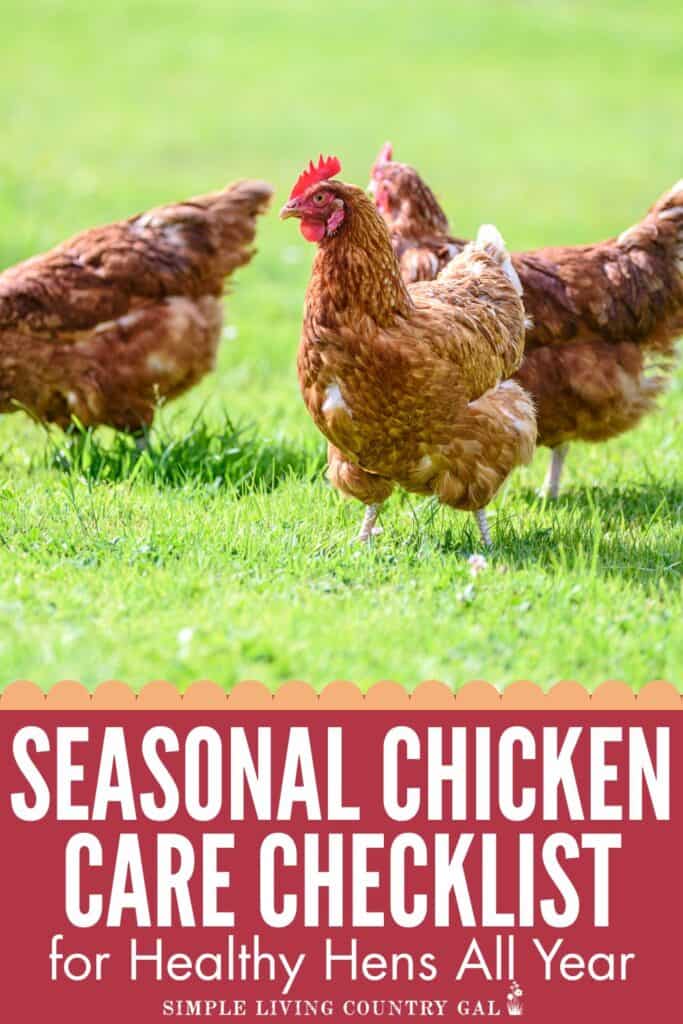
When we brought home our first chickens one spring about 20 years ago, things felt pretty simple at first. Chickens are one of those animals that mostly take care of themselves, which makes them a great place to start if you are new to homesteading or raising animals at home.
But as time went on, I realized there were things I needed to do to keep our hens healthy and laying consistently. The problem was, I wasn’t always sure what needed to be done or when to do it.
Because the truth is, raising animals comes with responsibilities, especially if you want them to truly thrive. And trying to keep all of that in your head can get overwhelming fast.
That is where a simple seasonal checklist comes in. It gives you a clear plan to follow so nothing gets missed and everything gets done at the right time.
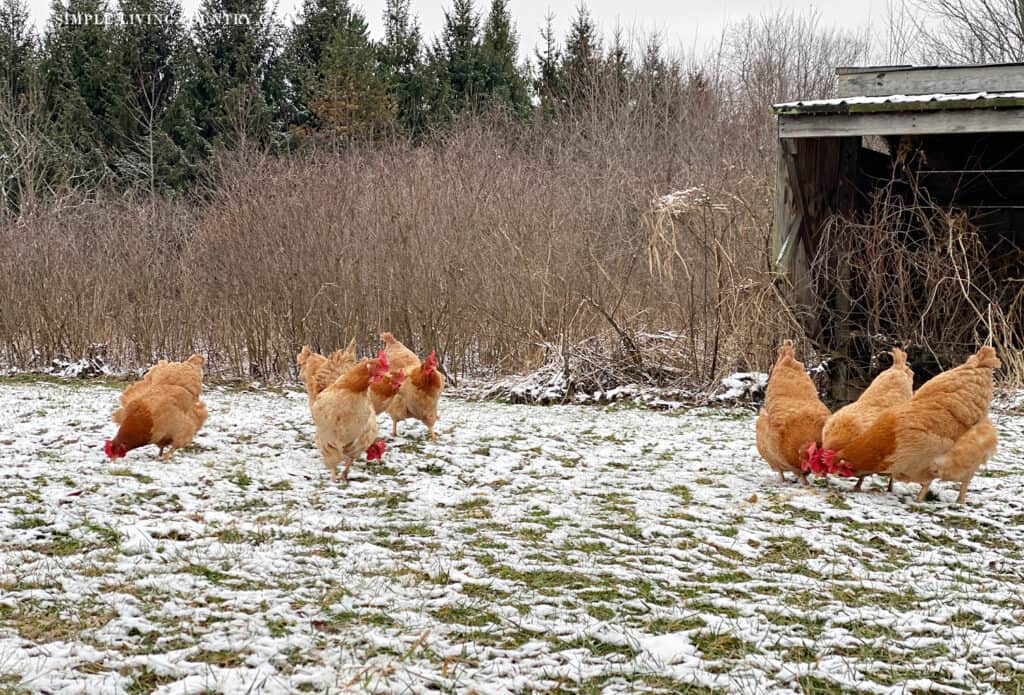
Using the Seasons as Your Guide
One of the easiest ways to care for chickens without feeling overwhelmed is to follow the natural rhythm of the seasons.
Each season brings its own needs. Spring is about growth and new beginnings. Summer is focused on keeping your flock cool and comfortable. Fall is the time to prepare and get ahead. And winter is all about protection and maintenance.
Instead of trying to remember everything all at once, you can simply focus on what matters right now.
That is what makes this approach work so well. It takes something that can feel complicated and turns it into a simple, steady routine you can follow all year long.
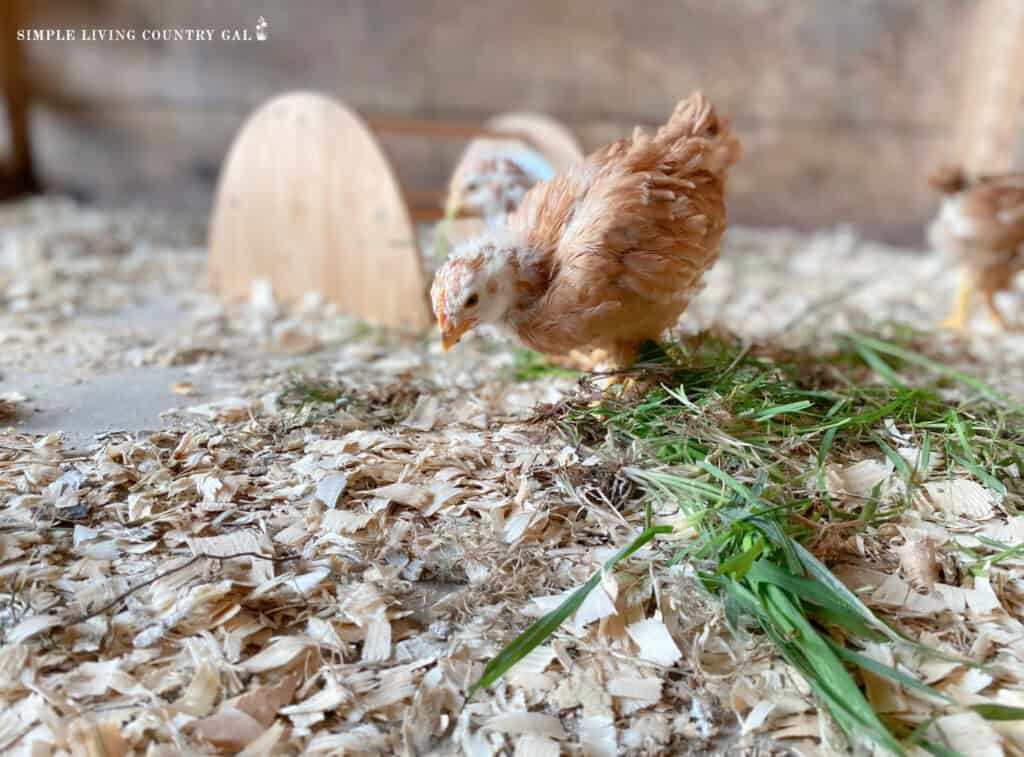
Spring Chicken Care Checklist
Spring is when everything starts to wake back up, and your flock feels it too.
After a long winter, this is the time to refresh your setup, support your hens as egg laying picks back up, and get ahead before the busy summer months hit. A little attention now can make the rest of your year so much easier.
Feed and Nutrition
As your hens begin laying more consistently again, their nutritional needs increase.
Switch back to a quality layer feed if you changed things up over winter. This helps support steady egg production and keeps your flock strong.
Keep a dish of crushed oyster shells available so your hens can get the calcium they need for strong eggshells. You don’t need to mix it into their feed. Let them take what they need.
As the ground starts to green up, offer fresh greens when you can. This gives them a boost of nutrients and keeps things interesting for your flock.
And of course, clean, fresh water should always be available. As temperatures rise, they will drink more than you might expect.
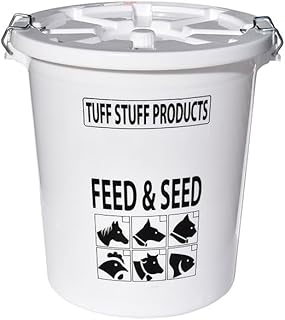
Gamma2 Vittles Vault Stackable Dog Food Storage Container with Sealing Lid, Up to 60 lbs Dry Pet Food Storage Container, USA-Made – [14.5 Purina, Layena Crumbles, Chicken Feed for Laying Hens, 50 lbs12 gal & 50 lbs Hd Feed & Seed Storage with Locking Lid


Coop and Housing
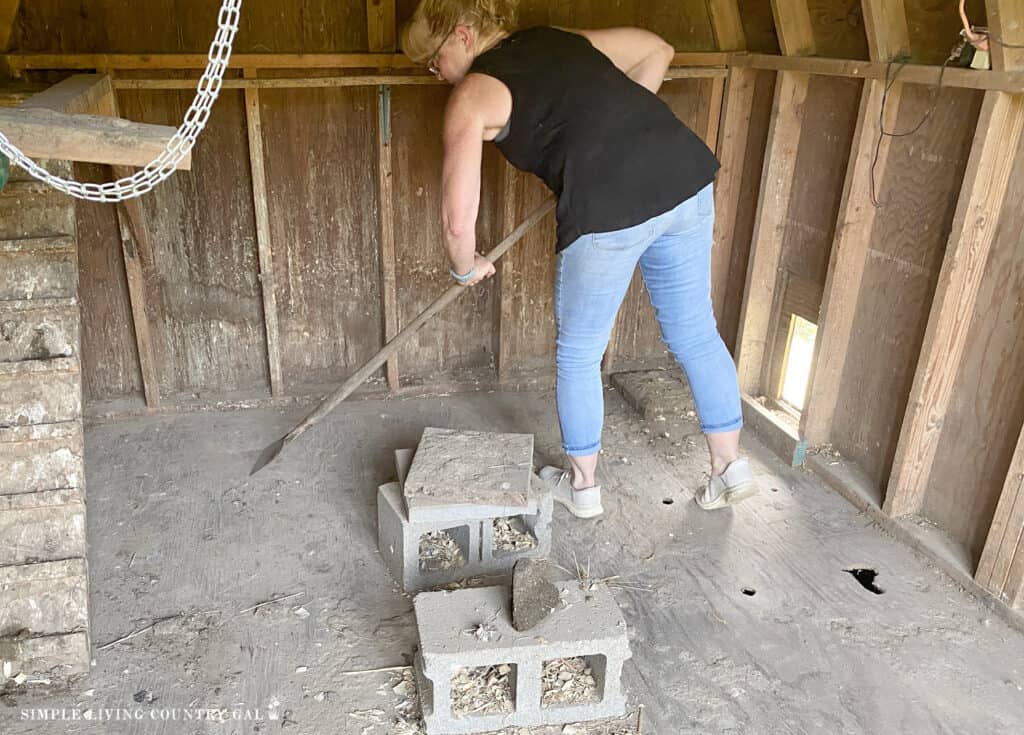
Spring is the perfect time for a good, deep clean.
Remove old bedding, scrape down surfaces, and give your coop a fresh start. This helps reduce odors, moisture, and the chance of pests settling in.
Add clean, dry bedding to nesting boxes so your eggs stay clean and your hens stay comfortable.
Take a few minutes to check your coop for any winter damage. Look for loose boards, gaps, or leaks that need to be fixed before spring rains roll in.
If your coop feels damp or stuffy, this is a good time to improve airflow. Better ventilation helps prevent respiratory issues and keeps the space healthier overall.
Health and Safety
Spring is also a great time to give your flock a quick health check.
Look over each hen for signs of mites or lice, especially around the vent and under the wings. Catching this early makes it much easier to treat.
As your chickens become more active, you may notice a bit of pecking order drama. That’s normal, but keep an eye out to make sure no one is getting picked on too much.
Refresh your dust bath area so your hens can naturally keep themselves clean and pest free.
And just pay attention. Small changes in behavior, appetite, or movement are often the first sign that something is off.
New Chicks and Flock Growth
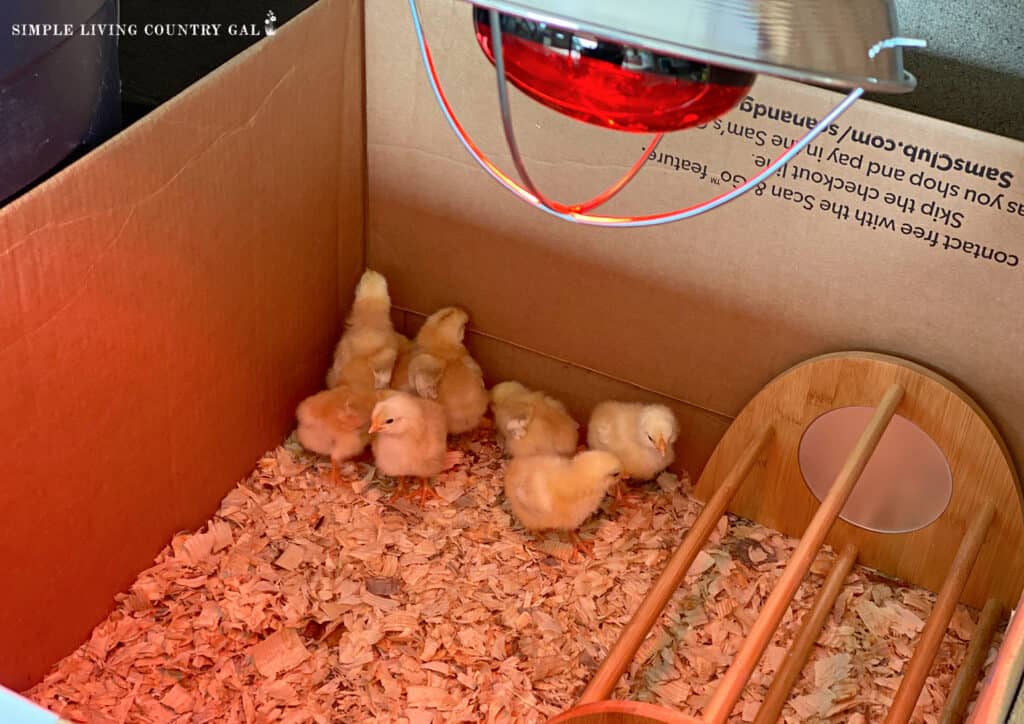
Spring is the most popular time to bring home baby chicks, and for good reason.
Before you bring them home, make sure your brooder is fully set up and ready to go. Warmth, clean bedding, food, and water should all be in place.
As your chicks grow, take your time introducing them to your existing flock. Slow introductions help prevent stress and reduce the chance of bullying.
It can feel exciting to grow your flock quickly, but steady and patient always works better in the long run.
Summer Chicken Care Checklist
Summer is all about keeping your flock cool, hydrated, and comfortable.
Unlike winter where you are trying to protect against cold, summer brings a different challenge. Chickens do not handle heat well, and even a few very hot days can quickly stress your flock if you are not prepared.
The goal during this season is simple. Keep things cool, keep water flowing, and reduce stress wherever you can.
Feed and Nutrition
During hot weather, you may notice your chickens are not eating as much. That is normal.
Try feeding early in the morning or later in the evening when temperatures are cooler. This helps ensure they are still getting enough nutrition without adding extra heat stress during the hottest part of the day.
Continue offering a quality layer feed along with free choice calcium.
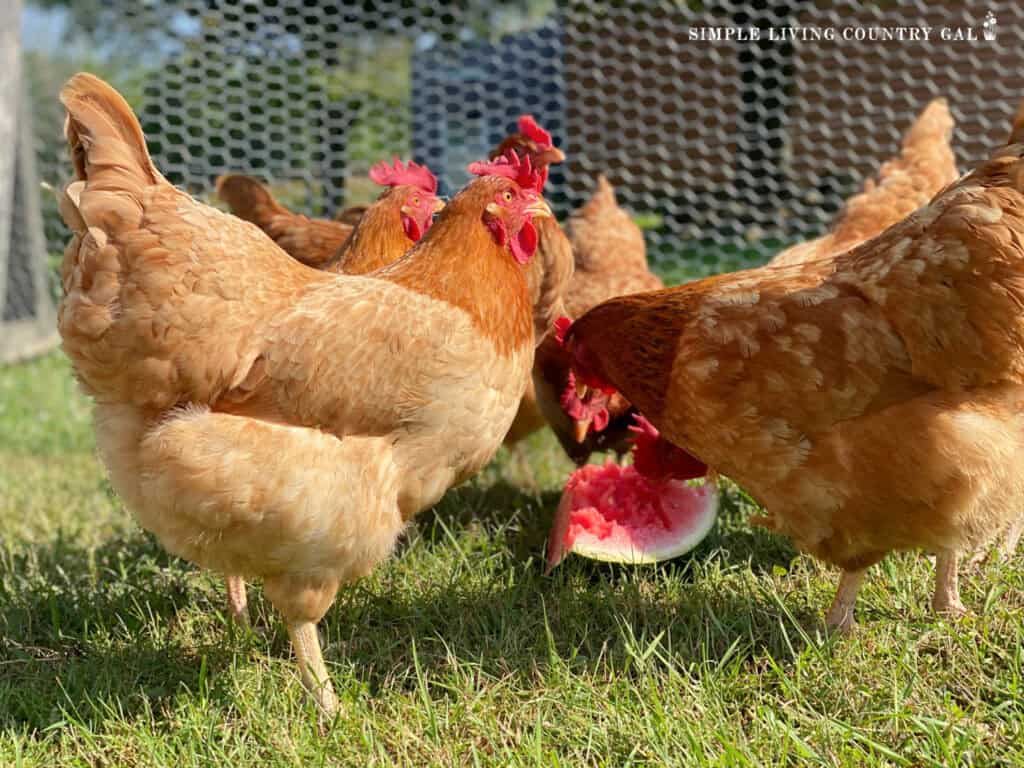
You can also offer water rich treats like watermelon, cucumbers, or berries. These not only give a little nutrition boost, but also help with hydration.
Just keep treats simple and occasional so they do not replace their main feed.
Water and Hydration
If there is one thing to stay on top of in summer, it is water.
Check waterers more often than you think you need to. In hot weather, they can run dry quickly.
Keep water in shaded areas whenever possible to help it stay cooler longer.
On especially hot days, you can refresh water midday or even add a few ice cubes to help bring the temperature down.
A good rule to follow is this. If you feel hot, your chickens feel it even more.
Harris Farms Large Flock Easy-Fill Poultry Drinker, Made with BPA-Free Plastic, Top Fill Design, 6.25 GallonProfessional Chicken Waterer Cups, 8 Packs Large Chicken Water Feeder, Tee Fittings Poultry Waterer Suitable for Duck, Chicks, Goose, Turkey, Bunny and Bird with Mounting Hole OpenerAutomatic Water Dispenser for Chicken, 304 Stainless Steel Outdoor Auto Fill Waterer Bowl Self Refilling Watering System with 2 Float Valves and Drainage Hole for Chicken,Duck,Poultry


Coop and Housing
Shade is your best friend in summer.
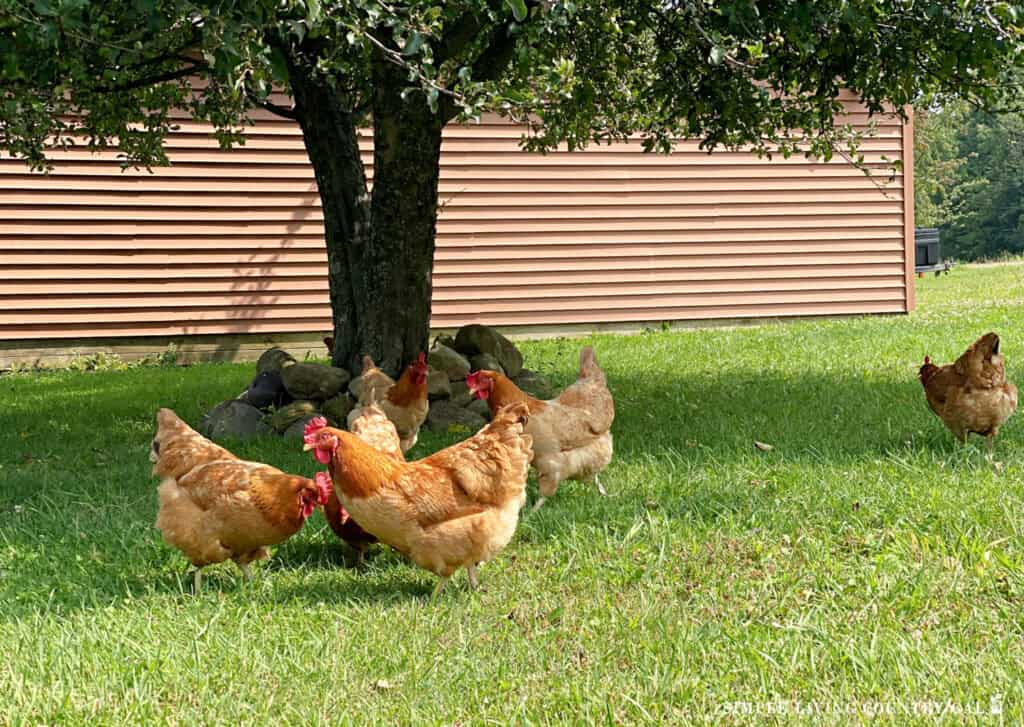
Make sure your coop and run have plenty of shaded areas where your chickens can escape the sun. This might mean using tarps, shade cloth, or even natural cover like trees.
Good airflow is just as important. Open windows, vents, or doors if your setup allows it, making sure everything is still secure from predators.
Keep bedding dry and clean. Summer heat mixed with moisture can quickly lead to odor and bacteria buildup.
If your run tends to get muddy or compacted, consider adding dry material like straw or wood chips to keep things more comfortable.
Health and Safety
Heat stress is the biggest concern during summer.
Watch for signs like panting, wings held away from the body, or lethargy. These are early warnings that your chickens are struggling with the heat.
Make sure your flock always has access to shade, fresh water, and good airflow to prevent issues before they start.
Continue maintaining a clean dust bath area so your hens can manage pests naturally.
Summer is also a time when predators are more active, especially if you are free ranging. Keep an eye out and make sure your setup is still secure.
Egg Care
Eggs can change quickly in the heat so being aware of the weather can help you to plan for better egg collecting.
Try to collect eggs more often during hot weather to prevent spoilage or cracking. If you know when your hens lay, you can plan your trips out to the coop around their schedule.
One way to help is to keep nesting boxes clean and in the coolest part of the coop if possible, but more frequent collections is your best bet here.
Fall Chicken Care Checklist
Fall is your prep season, and what you do now will make a big difference in how smoothly winter goes.
This is the time to get ahead. Temperatures are cooling down, egg production may start to slow, and your flock is beginning to shift into a new season. A little effort here can prevent a lot of problems later.
Feed and Nutrition
As temperatures drop, your chickens will naturally start eating more to maintain body heat.
Continue with a quality layer feed, but you can begin adding a bit more energy rich support as needed.
This is also the time many hens go through molting. During this process, they lose old feathers and grow new ones, which takes a lot of energy and protein.
If you notice feather loss, consider increasing protein in their diet to help support healthy regrowth.
You may also see a drop in egg production during this time. That is completely normal.
Coop and Housing
Fall is the time to prepare your coop for colder weather.
Do a deep clean and set up fresh bedding. Many chicken keepers switch to a deeper bedding layer in fall to help insulate the coop as temperatures drop.
Check for drafts, gaps, or openings, especially at roost level. You want good airflow, but you do not want cold air blowing directly on your hens while they sleep.
Make sure your coop stays dry. Moisture is one of the biggest problems in colder months, so now is the time to fix any leaks or drainage issues.
If you plan to use a deep litter method, fall is when you want to get that started.
Health and Safety
Molting can make your flock look a little rough, but it is a natural and necessary process.
During this time, chickens can be more sensitive and even a bit withdrawn. Keep an eye on them, but try not to interfere too much.
Watch for signs of stress or bullying, especially if some birds are more vulnerable while regrowing feathers.
This is also a good time to do a general health check before winter sets in. Look for any injuries or issues that would be harder to manage in colder weather.
Run and Outdoor Setup
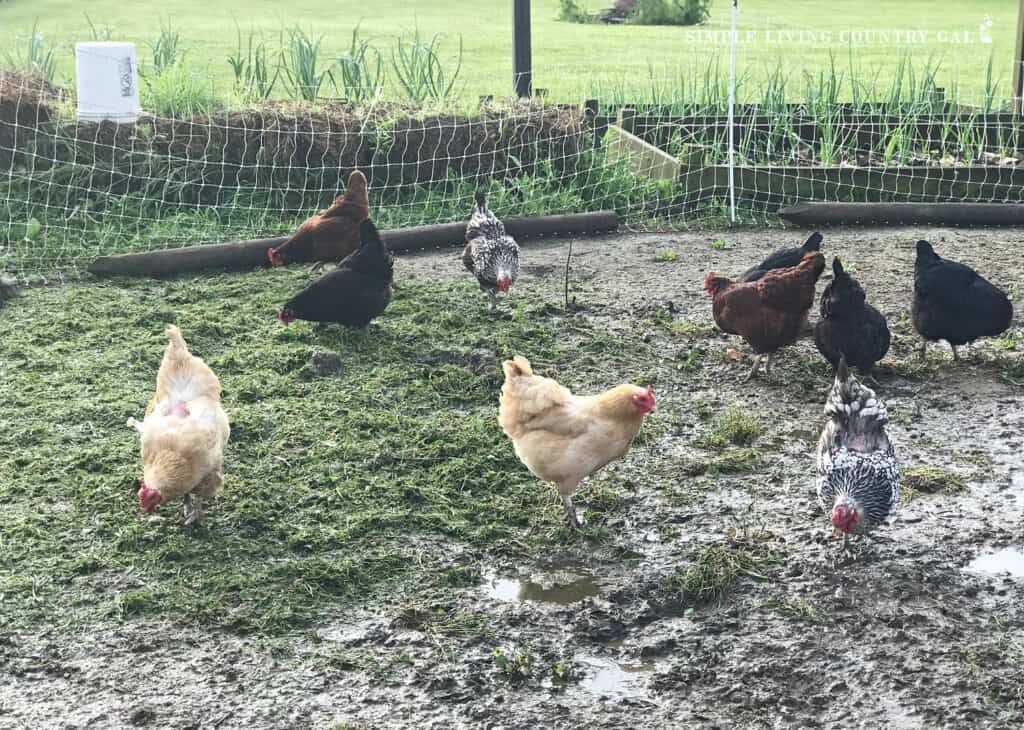
Take a look at your run and surrounding area before the weather turns.
Clear out excess mud, fallen debris, or anything that could become a problem once rain and snow arrive.
Add dry materials like straw or wood chips to help keep the ground from becoming a mess.
Make sure your fencing and setup are secure. As food sources change in fall, predators may become more active and more determined.
Getting Ready for Winter
Think of fall as your “set yourself up for success” season.
Now is the time to check your water setup and make a plan for freezing temperatures.
Make sure you have enough feed stored and easily accessible so you are not running out in bad weather.
Look at your daily routine and think about what might need to change once it is cold, snowy, or icy.
Taking a little time now to prepare will make winter feel much more manageable.
Winter Chicken Care Checklist
Winter is all about protection, consistency, and keeping things simple.
Your chickens are tougher than you might think, but cold temperatures, wind, and moisture can quickly cause problems if your setup is not ready. The goal in winter is not to make things perfect. It is to keep your flock safe, dry, and comfortable.
Feed and Nutrition
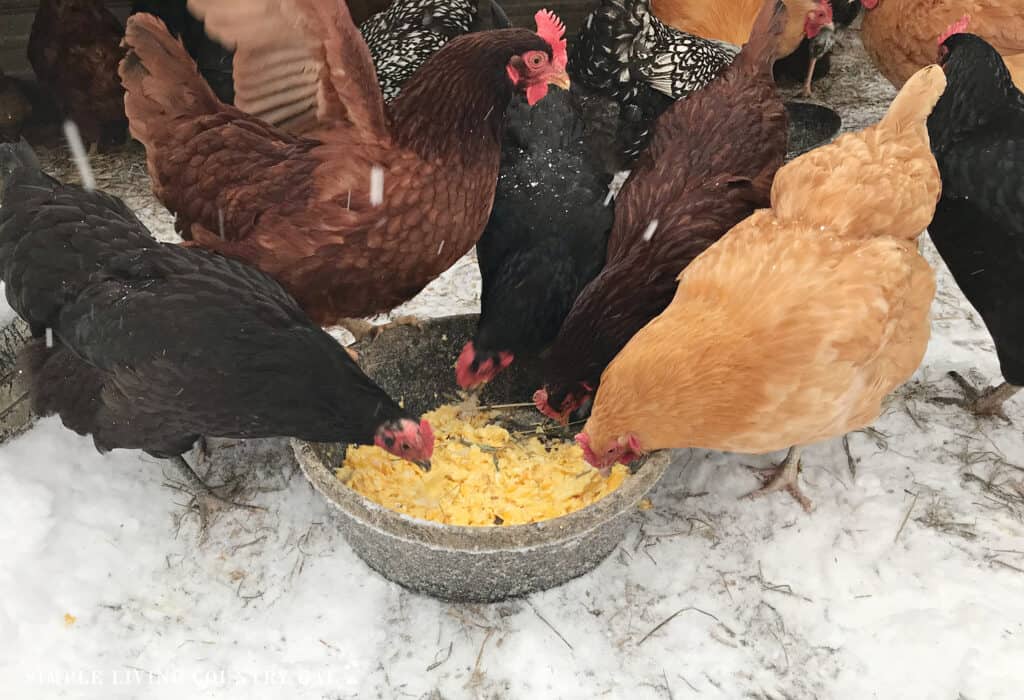
In winter, your chickens will eat more. They need the extra fuel to stay warm.
Stick with a quality layer feed and make sure it is always available.
You can offer a small amount of scratch grains in the evening. This gives them something extra to digest overnight, which can help them stay warm.
Treats should still be limited, but warm options like oatmeal on especially cold mornings can be a nice boost.
Fresh water is just as important as feed, even when it is freezing outside.
Water and Freezing Temps
Water is usually the biggest challenge in winter.
Check waterers often throughout the day to make sure they are not frozen.
If you are able, use a heated waterer or a safe method to keep water from icing over.
If not, plan to swap out water multiple times a day.
A good routine here will save you a lot of frustration.
Coop and Housing
Keeping your coop dry is more important than keeping it warm.
Chickens handle cold much better than they handle damp conditions.
Make sure your coop has good ventilation to allow moisture to escape, especially overnight.
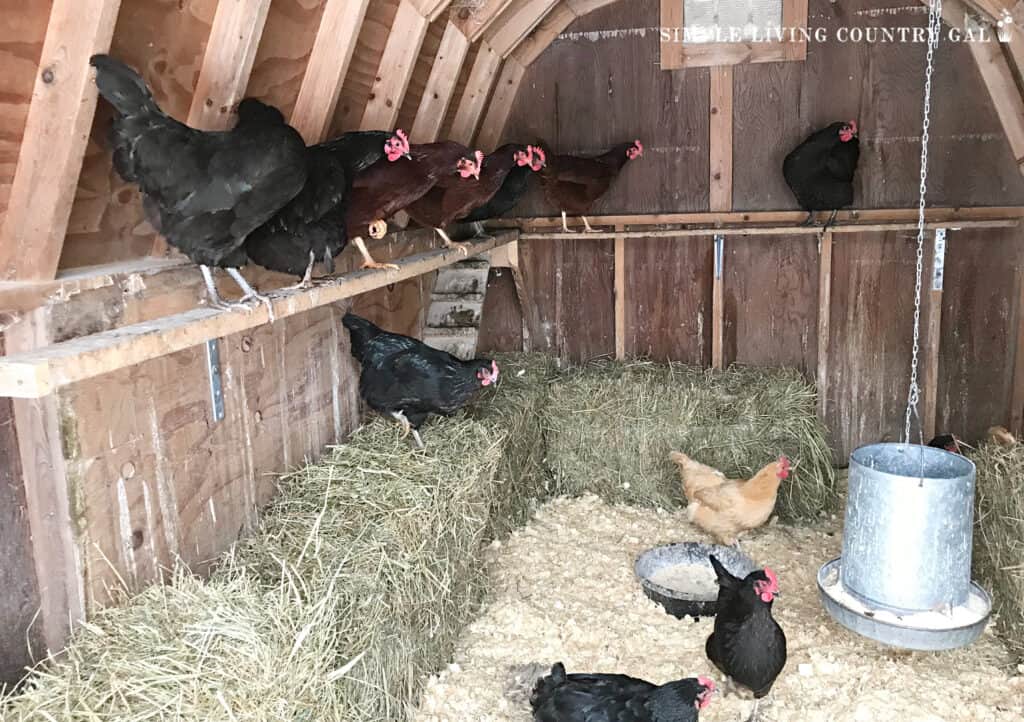
At the same time, block strong drafts at roost level so your hens are not sitting in cold air while they sleep.
Deep bedding can help insulate the coop floor and keep things more comfortable.
And do not forget to check that doors and latches are working well even in freezing conditions.
Health and Safety
Watch for signs of frostbite, especially on combs and wattles.
If you notice pale, gray, or black areas, that can be an early warning sign.
Keeping your coop dry and draft free will go a long way in preventing this.
Also keep an eye on your flock’s behavior. Chickens that are too cold may huddle tightly or seem less active than usual.
Limit handling during very cold days to reduce stress.
Egg Care
Eggs can freeze quickly in winter.
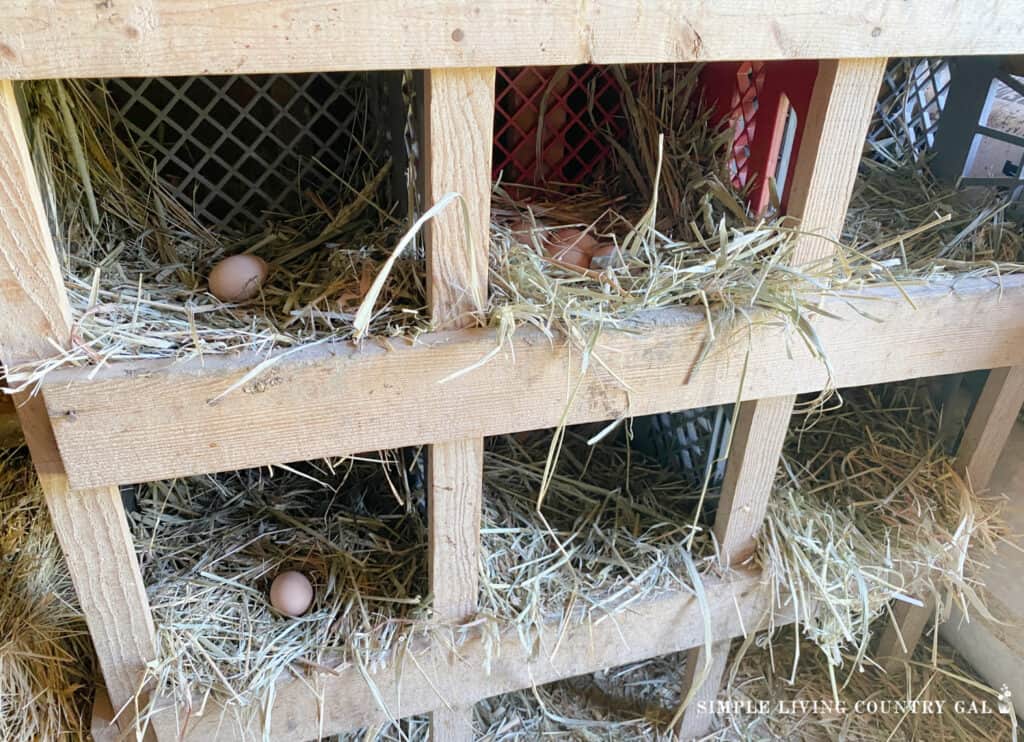
Try to collect eggs more often throughout the day to prevent cracking.
If an egg does freeze and crack, it is best to discard it.
Keeping nesting boxes clean and well bedded will help protect eggs as much as possible.
Keeping Things Simple
Winter is not the time to overhaul your setup.
It is the time to maintain what you have and stick to a steady routine.
Feed, water, quick checks, and a clean, dry coop. That is what matters most.
If you focus on those basics, your flock will come through winter just fine.
A Simple Way to Stay on Track All Year
Taking care of chickens does not have to feel overwhelming.
When you break things down by season, it becomes much easier to know what needs your attention and when. Instead of trying to remember everything, you can simply follow a steady rhythm that works with your flock, not against it.
And honestly, that is what makes this whole lifestyle more enjoyable. You are not chasing tasks. You are just staying in step with what your chickens need.
If having a simple plan like this feels helpful, I put together a set of free planning pages you can print and use at home.
They are designed to walk you through each season, giving you a place to track what needs to be done so nothing gets missed and everything feels a bit more manageable.
You can grab those free chicken planning pages here:
And if you are someone who loves having everything mapped out for you, I also created a full annual chicken care calendar that takes this a step further.
It lays out what to focus on each month, so you always know exactly what to do without having to think twice.
Because the goal here is simple.
Healthy hens, steady eggs, and a routine that fits into your life… not one that takes it over.
