
Natural Routine Deworming for Goats
Keeping your goats healthy doesn’t have to be complicated. A solid natural routine deworming for goats can go a long way in protecting your herd from parasites. With the help of natural resources, you can manage your goats’ health while minimizing worm problems.
Learning how to raise dairy goats means focusing on their well-being so they grow strong, resilient, and ready to handle whatever nature has in store.
When I first started raising goats, I had no idea how much went into their care. I felt pretty confident about the feeding, kidding, and even the milking, but what I didn’t expect was how hard it would be to manage a herd on a constantly wet pasture.
The ground stays wet where we live, and with clay soil, it creates a tricky environment to manage, especially for livestock.
That first spring, worms hit my goats hard. My go-to solution at the time was chemical treatments, but I quickly realized those chemicals weren’t just tough on my goats – they also affected the quality of our milk.
It wasn’t long before I started searching for a healthier approach, and that search led me to natural methods. To my surprise, those natural options turned out to be more effective than the harsh chemicals I’d relied on.
Goats and Worms – What You Need to Know
Worms are one of those things you don’t think too much about until they become a problem. But if you’re raising goats, they can cause some serious headaches, especially if your goats are grazing on pasture. The trick to staying ahead of the game? Understanding the worm’s life cycle so you can break the cycle before it takes over your herd.
Worms spend part of their life inside your goats, living off them like tiny freeloaders. Female worms lay eggs, which your goats then pass out in their manure. Once those eggs hit the ground, they hatch into larvae that hang out in damp spots like wet grass and pasture. When your goats graze, they end up eating the larvae along with the grass, and just like that, the worms are back inside your goats, maturing and starting the whole messy process all over again.
The real trouble happens when this cycle goes unchecked. Worms don’t just go away on their own, especially if your pastures are wet, overgrazed, or not rotated often enough. Larvae tend to stick close to the ground, so the shorter your goats graze the grass, the more worms they’re likely to pick up. And before you know it, you’re stuck in a battle that’s hard to win.
Natural Routine Deworming for Goats
Using herbal wormers as part of your goat deworming schedule can make a big difference in keeping infestations away. Plus, if worms do become a problem, there are plenty of natural remedies and management techniques to hit them where it hurts.
Why Choose Natural Deworming?
Chemical wormers can be effective, but they come with downsides. Over time, worms can develop resistance to these products, making them less effective. Plus, chemical dewormers can leave residues in your goats’ milk, which isn’t great if you’re milking for your family or customers.
On the flip side, natural methods allow you to support your goats’ health without the risks, and they can often work just as well when used routinely.
Herbal Wormers for Routine Use
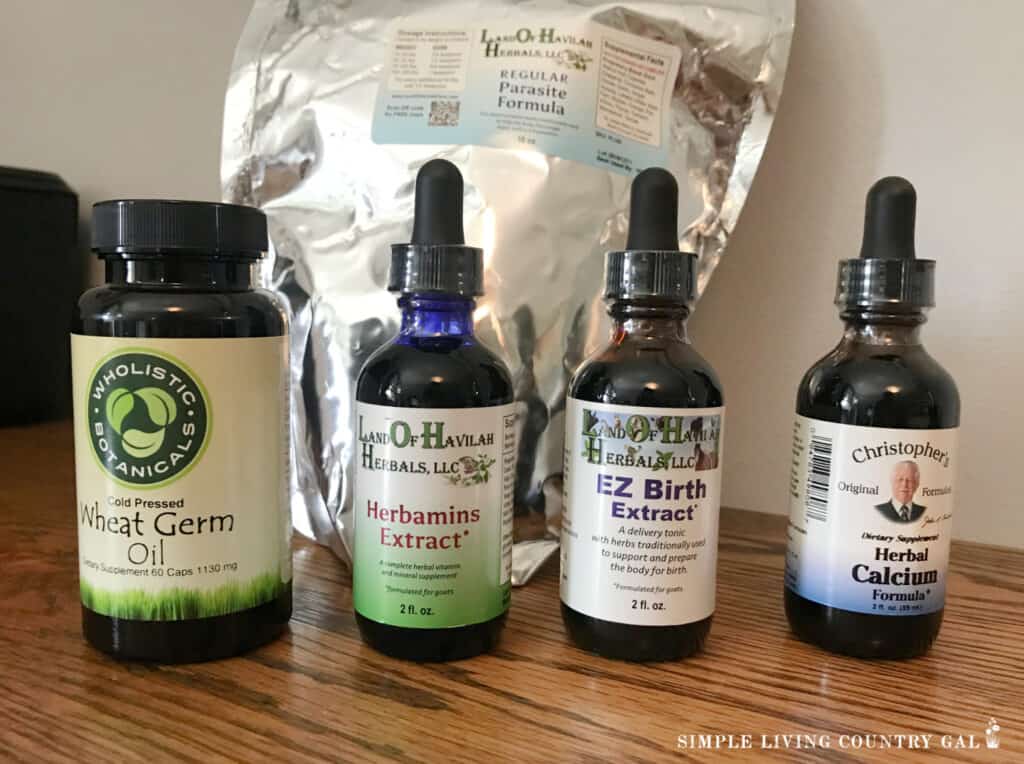
One of the easiest ways to prevent worm infestations is by using an herbal wormer on a regular schedule. These blends often contain a mix of powerful ingredients that work together to create an unfriendly environment for worms inside your goats. They act as a deterrent and help break the worm’s lifecycle before it gets out of hand.
Here are some common ingredients you’ll find in natural wormers and why they’re so effective:
- Wormwood: Despite the intimidating name, wormwood is a plant with natural anti-parasitic properties. It helps expel worms and inhibits their reproduction.
- Black Walnut Hull: Known for its ability to target internal parasites, this ingredient helps flush out worms and reduce their numbers in your goats.
- Clove: Clove works as a natural antiseptic and also targets worm eggs, helping to disrupt the parasite’s lifecycle.
- Fennel: Not only does fennel help with digestion, but it’s also known to repel worms and improve intestinal health.
Many pre-made herbal mixes combine these and other active ingredients, making them simple to add to your routine. You can administer them as a feed additive or mix them with a bit of molasses into treat balls that your goats will love.
A Natural Worming Routine for Your Goats
Here’s a simple but effective routine to help you naturally prevent parasites in your goat herd.
1. Get Herbal Wormers on Your Schedule
- Plan to give your goats an herbal wormer about once every 3-6 weeks, depending on how bad the worms are in your area.
- You can sprinkle the herbal wormer into their feed or mix it into a treat ball. Goats will be more willing to eat it if it feels like a snack, plus it is easier for you to track that everyone is getting their dose when you feed it as a treat. Be sure to keep track of dosages in a journal for complete records.
- Look for wormers with ingredients like wormwood, black walnut hull, cloves, and fennel. These are powerhouse plants when it comes to keeping worms at bay.
2. Kick It Up a Notch Seasonally
- Spring and fall are worm seasons. Wet pastures are practically a vacation spot for parasite larvae. During these times, you might want to give herbal wormers every 2–3 weeks instead.
- Add fresh garlic to their feed for a little boost. (Goats might turn their noses up at first, so chop it up small or sneak it into something they love.) Pumpkin seeds are another great trick. A handful per goat will do the trick, and they usually gobble these up without too much fuss.
5. Adjust for Different Needs
- If you’ve got pregnant does, keep your worming gentle as they approach kidding. Look for herbal blends designed for pregnant does and, as always, check with your vet if you’re unsure.
- When it comes to the kids, you’ll want to start slow. Once they’re munching on grass (around 3–4 weeks), you can introduce a small dose of herbal wormer.
How to Handle a Serious Worm Problem
If you suspect your goats are already dealing with a heavy worm load, it’s time to take swift action. Worm infestations can lead to weight loss, dull coats, poor milk production, and even severe illness. Luckily, there are natural ways to help knock worms out quickly.
Pumpkin Seeds
Pumpkin seeds contain cucurbitacin, a compound that paralyzes worms and helps expel them naturally. Feeding your goats raw, unsalted pumpkin seeds is a tasty and effective way to reinforce your deworming efforts.
Garlic
Garlic has strong anti-parasitic properties that can help reduce worm loads fast. You can chop up fresh garlic and mix it into your goats’ feed or feed it as a whole clove. Just make sure not to overdo it.
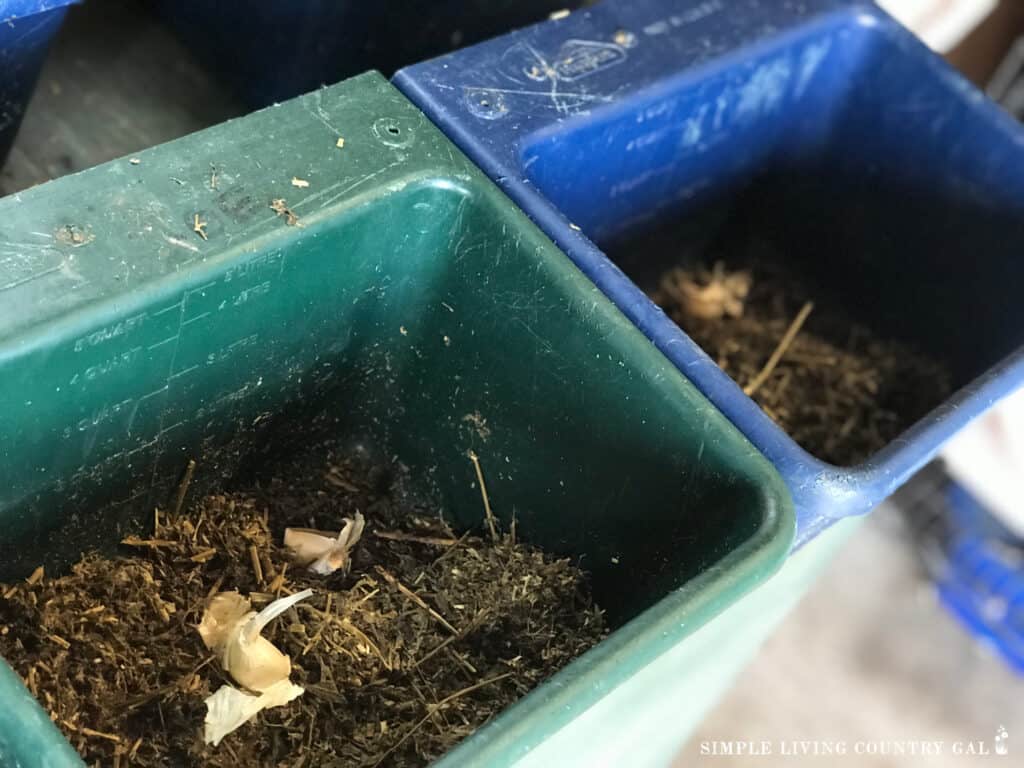
During a severe infestation, it’s important to monitor the infected goats closely. Make sure they’re getting plenty of clean water and high-quality feed to help with their recovery.
Additional Strategies for Worm Prevention
Taking care of your pastures, keeping things clean, and keeping an eye on your goats’ health can really help stop worms from becoming a big problem.
- Rotational Grazing: Worm larvae tend to live in the lower parts of pastures where goats graze. By moving your herd to fresh grazing areas regularly, you reduce the chances of them running into high parasite loads. Allow used pastures time to “rest” so larvae can die off before your goats return. Read how we rotational graze our goat herd for an easy approach.
- Routine Pen Cleaning: A clean environment is essential. Parasite eggs thrive in manure, so keeping pens and bedding fresh minimizes the chance of reinfection. Composting goat manure can further destroy parasite eggs before you reuse it.
- Membrane and Fecal Monitoring: Keeping an eye on your goats’ feces is one of the easiest ways to spot a potential worm problem early. Looking for signs like diarrhea, pale eyes, pale gums, or “bottle jaw” (swelling under the jaw), all of these signs can tip you off to trouble brewing.
SLCG Pro Tip: Learn how to do your own fecal checks to spot worms and parasites without racking up vet bills. There are plenty of great YouTube videos that can guide you step-by-step, and you can get a good microscope for a reasonable price.
ZOVVTRON Professional Compound Microscopes for Adults, Kids 8-12 & Students | 2000X Magnification Lab & Home Microscope with Phone Adapter, Complete Slides Set (Gray White) 4 McMaster Method Microscope Slides, by FEC Source, Fecal/Worm Egg Count for Parasites for Veterinary Use. Livestock Parasite Management. FECRT Reference Guide Included.Jiusion WiFi USB Digital Handheld Microscope, 50 to 1000x Wireless Magnification Endoscope 4K 3840x2160P Camera 8 LEDs with Metal Stand for iPhone iPad Android Mac Windows Linux Chrome


Keeping worms from taking over your herd doesn’t have to feel like an uphill battle. With a combination of routine herbal deworming, careful pasture management, and some powerful natural remedies, you can help your goats thrive without having to rely on harsh chemicals.
If there is one thing I have learned over the years is that prevention is always easier than trying to fix a problem after it starts, so make a natural routine deworming plan for goats to keep everyone in check.
