Minerals for Goats
Minerals for Goats are an essential part of every herd’s diet, supporting strong immune systems, healthy coats, and steady milk production. Understanding which minerals your goats need, and how to offer them, can make all the difference when learning How to raise dairy goats that are healthy, productive, and thriving.
Let’s take a closer look at why minerals matter so much for your goats and how the right balance can help your entire herd stay strong year-round.
When I first started raising animals, we began with pigs and chickens, and honestly, they were pretty easy. As long as they had food, water, and room to roam, they mostly took care of themselves.
Then a few years later, we brought home our first goats, and that’s when I realized I’d entered a whole new world of animal care. Goats aren’t quite as independent. They’re more like pets in many ways, curious, sensitive, and just a little bit fragile. They need more attention, especially when it comes to their overall health.
The best advice I got in those early years was simple but powerful: be proactive. Focus on keeping your goats strong and healthy so you don’t spend your time fixing problems later.
That’s where minerals for goats make all the difference. Once I started including them as part of our regular care routine, I noticed a real change. It was one of those small shifts that completely transformed how I manage my herd.
Essential Minerals for Goats
Minerals play a quiet but powerful role in your goats’ health. Each mineral has a specific job, and when your herd has the right balance, you’ll notice stronger immune systems, glossy coats, and steady milk production. Here’s a breakdown of the key minerals and what they do:
Copper (Cu)
Supports a healthy coat, strong hooves, fertility, and immune function.
Action step: Check the label on your mineral mix—goats need more copper than sheep, so always use a mix made specifically for goats.
Selenium (Se)
Works with vitamin E to support muscle development, fertility, and immune health.
Action step: Check with your local extension office or vet to see if your area is selenium-deficient, and supplement if needed.
Calcium (Ca)
Essential for milk production and bone health.
Action step: Offer free-choice minerals containing calcium and provide good quality hay or browse.
Phosphorus (P)
Works with calcium for strong bones and teeth and supports energy and reproduction.
Action step: Keep the calcium-to-phosphorus ratio around 2:1 to prevent urinary stones in bucks and wethers.
Zinc (Zn)
Supports hoof and skin health, reproduction, and growth.
Action step: If goats have flaky skin despite good nutrition, check zinc levels in your mineral mix.
Magnesium (Mg)
Aids nerve and muscle function. Deficiency is uncommon but can cause twitching or nervousness.
Action step: Most good goat mineral blends include magnesium; just ensure minerals are always available free-choice.
Salt (NaCl)
Encourages drinking, which supports digestion and prevents urinary stones.
Action step: Keep plain loose salt available year-round.
Iron, Iodine, and Cobalt
Trace minerals that support blood health, thyroid function, and vitamin B12 production.
Action step: Most complete goat minerals include these, but check the label to be sure.
Every herd is different, so it’s a good idea to check with your vet or local extension agent before adding new supplements or mineral blends.
Minerals for Goats
Minerals are an essential part of every herd’s diet, supporting strong immune systems, helping to grow healthy coats, and even giving a steady milk production. Understanding which minerals your goats need, and how to offer them, can make all the difference both in the health of your goats and your confidence in their care.
What Are Minerals?
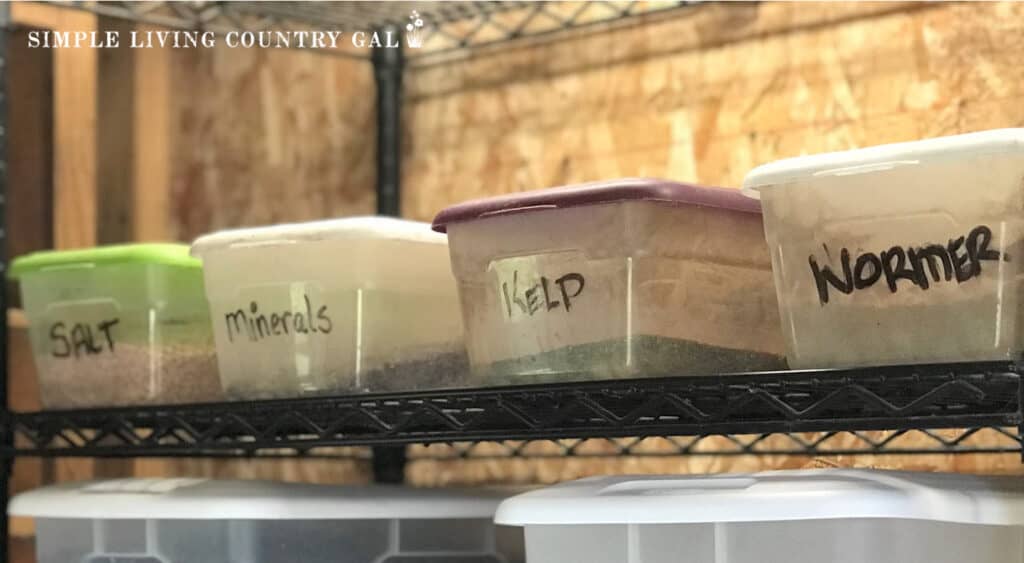
Minerals are naturally occurring nutrients found in soil and rocks, and they play a huge role in your goats’ health. They’re needed for bone growth, muscle strength, nerve function, fertility, and, yes, milk production.
Without enough minerals, goats can develop weak immune systems, making them more susceptible to worms, poor coats, which can be an issue in wet and cold weather, and in some cases, even fertility issues.
Think of minerals as your foundation for raising healthy and hardy animals that can handle almost anything.
What to Look for in Goat Minerals
When choosing minerals for goats, always pick a blend made specifically for goats, not one labeled “sheep and goat.” Sheep minerals contain little to no copper, and goats need copper to stay healthy.
Copper helps with:
- Building a strong immune system
- Supporting fertility and reproduction
- Maintaining healthy coats and hooves
If you’re raising bucks or wethers, make sure your mineral mix also contains ammonium chloride. This ingredient helps prevent urinary calculi, a painful and sometimes deadly urinary blockage that’s common in males.
If you’re unsure about what’s in your mix, check the label. “For goats only” should be clearly listed, and copper (Cu) should be included in the ingredients.
Be sure to grab the FREE Goat Health Checklist below!
How do Goats Eat minerals?
Goats naturally get some minerals from the hay, grain, and pasture they eat. But if your soil is low in certain nutrients, your goats won’t get enough just from grazing.
For example, we live in a selenium-deficient area, which means our goats need extra selenium to stay healthy. If your area is similar, supplementing what’s missing will go a long way in keeping your herd thriving.
DURVET / PHARMAC 2250319 Lamb & Kids – Selenium & Vitamin E Oral Gel Redmond Agriculture Selenium 90 Premium Mineral SaltJeffers Vita-Min Gel for Livestock & Horses – Multivitamin & Mineral Supplement with Selenium, Zinc, Potassium & Turmeric – Easy Oral Gel for Cattle, Goats, Sheep & Pig – 30 cc (1 oz) Tube


If you’re unsure what your area is lacking, contact your local extension office or 4-H group. They can tell you what minerals are naturally low in your soil.
Action Step: Call your county extension office this week to ask about soil deficiencies where you live. Knowing what’s missing helps you make better mineral choices.
Where to Buy Minerals for Goats
You can find goat minerals at most local farm supply stores, large chains like Tractor Supply, or online. Always look for a reputable brand that makes products specifically for goats. Avoid generic “livestock” blends, they’re often missing key nutrients your goats need.
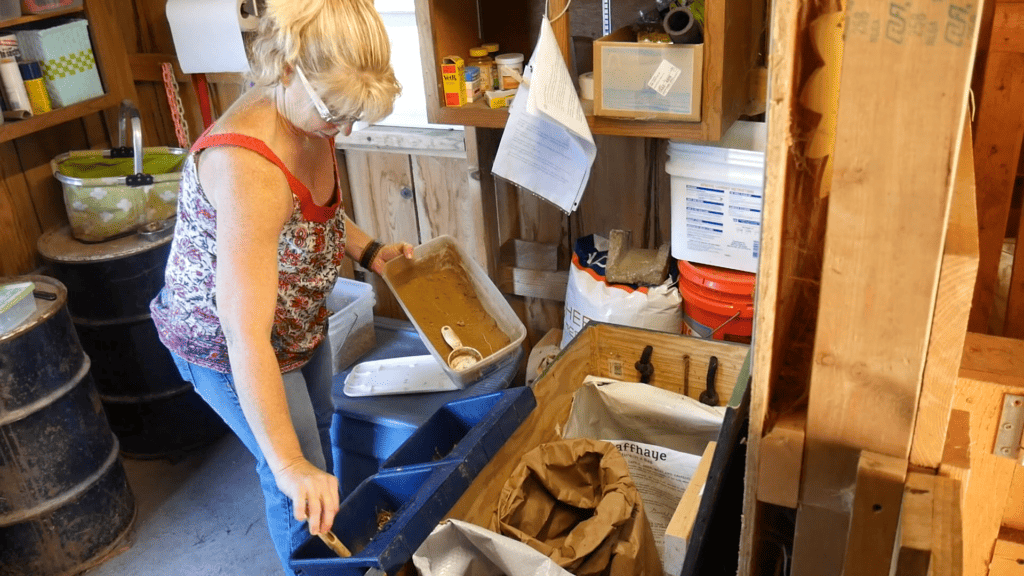
Before buying, check the label for:
- “For Goats Only” wording
- Copper content
- Ammonium chloride (especially for bucks and wethers)
Remember, what works for cows, sheep, or horses doesn’t always work for goats. Giving them minerals made for goats only ensures they’re getting exactly what they need.
Goat Minerals:
- Manna Pro Goat Minerals with Ammonium Chloride
- Goat Mineral Supplement for Milk Production
- Goat Mineral Supplement Block for All Types and Lifestages
Kalmbach Feeds Goat Mineral Block Supplement, 25 lb BlockPURINA® Wind and Rain® Goat Mineral | 25 Pound (25LB) BagPurina | Goat Mineral Supplement Block for All Types and Lifestages | 33 Pound (33 lb.) Block


Mineral Blocks vs. Loose Minerals
Both mineral blocks and loose minerals are great ways to keep your goats healthy. Each has its own benefits, and the best choice really depends on your setup, herd behavior, and what works best for you.
Mineral Blocks
Pros:
- Convenient and long-lasting, one block can last weeks or even months.
- Ideal for goats that tend to spill loose feed, reducing waste.
- Easy to set up and doesn’t require frequent refilling.
Cons:
- Some goats don’t lick the block enough to get what they need.
- You’ll need a holder or sturdy surface to keep it off the ground.
- They can be heavy to move around, especially if you have back issues.
Blocks are a great set it and forget it option, perfect for busy seasons or larger herds. They ensure minerals are always available, though not every goat will get their fair share if some don’t like licking as much.
Loose Minerals
Pros:
- Goats can eat exactly what they need when they need it.
- Easy to customize or mix for your herd’s specific needs.
- Can be added to feed if you hand-feed or tether-feed your goats.
Cons:
- Needs to be refilled more often, especially in damp weather.
- Dominant goats might eat more, leaving less for shy ones.
Loose minerals tend to be the preferred choice for most goat owners because goats naturally prefer to lick and nibble rather than grind against a block. That said, if you’re worried about waste or don’t have time to refill regularly, mineral blocks can be a good fit too.
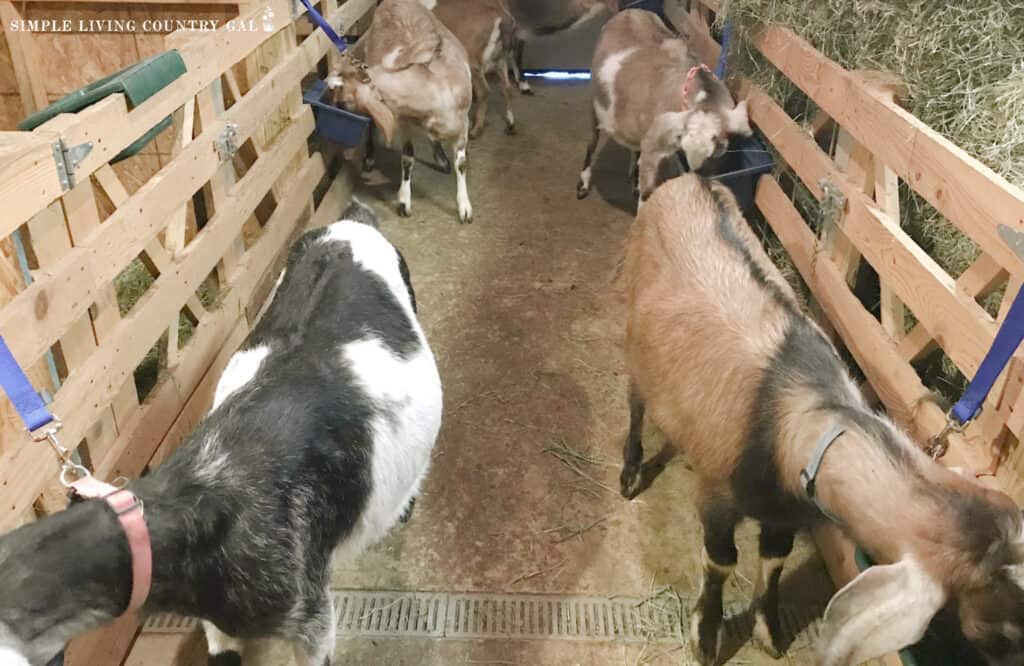
Many homesteaders use both, a loose mineral feeder in the barn for daily access and a block in the pasture as a backup. There’s no one “right” way, just choose the option that fits your herd and your daily routine.
LBH Market Goat Mineral Feeder Kit Includes Mineral Feeder 3.5 Qt with 5 Wood Screw Fasteners Suitable for Goats and HorsesLittle Giant SBPU Universal Block Holder and Feeder; Grain/Supplement Feeder for Cattle, Horses, Goats, Sheep, Alpacas & Llamas; Polypropylene Plastic, Holds 50-Lb or 6.5 Quarts, 12.63Gelacie 37.63In Goat Feeder, 2.5 Gallon Livestock Feeding Rack, Divided and Hanging Design for Sheep Farming, Livestock Water Trough, 1PC


The Best Minerals for Each Goat
Every goat has slightly different mineral needs depending on age, sex, and purpose. Here’s a breakdown to help guide you.
Bucks and Wethers
Bucks and wethers need calcium and phosphorus for strong bones and copper and zinc for healthy coats and reproductive systems. Make sure their mix contains ammonium chloride to prevent urinary calculi.
Pregnant and Lactating Does
Does that are pregnant or milking need higher mineral levels to support milk production and kid growth. Look for minerals with:
- Calcium and phosphorus for bone and muscle development
- Copper and selenium for immune and reproductive health
- Magnesium, potassium, sodium, and zinc for balance
Don’t overdo it, too much of any mineral can cause toxicity. Always follow the feeding directions and keep minerals out free-choice so your goats can self-regulate.
Check with your county extension agent if you’re in a selenium-deficient area. You may need to add a supplement or choose a selenium-enriched mineral.
Kids
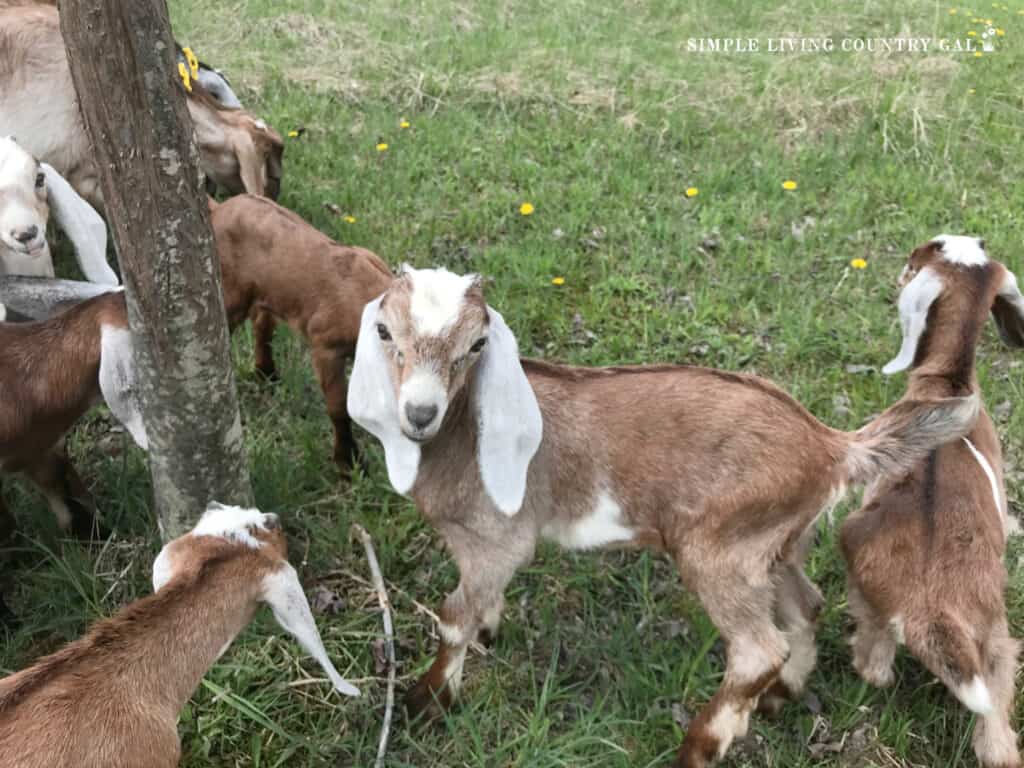
Young kids get most of their nutrients from their mother’s milk. Once they start nibbling hay or grain, they’ll naturally begin exploring the mineral feeder. Keep minerals available at all times so they can start building good habits early.
Building a Simple Mineral Routine
Having a routine is not only good for you but for your herd as well. Here’s a quick, easy routine that will keep your goats in great shape all year long:
- Provide loose minerals free-choice year-round in a clean, covered feeder.
- Keep minerals dry, moisture ruins their texture and can make goats avoid them.
- Check and refill weekly. Goats can’t self-regulate if the feeder is empty.
- Offer baking soda separately to support digestion.
- Use both a loose mix and a block if that fits your herd’s routine.
- Watch your goats closely. Shiny coats, bright eyes, and steady milk production are all signs your mineral plan is working.
Action Step: Add “check mineral feeder” to your weekly barn chores. Consistency is what keeps your herd healthy long term.
Ensuring your goats get the right balance of minerals is one of the most important parts of learning how to raise dairy goats successfully. A consistent mineral routine leads to healthier coats, better fertility, and stronger immune systems, saving you time, money, and frustration down the road.
By taking a little time now to understand your herd’s needs, you’ll build stronger, hardier goats that can thrive through every season.
Goat Mineral FAQ
Kids get their nutrients from their mother’s milk at first. As they grow, they’ll naturally start to eat minerals on their own.
Refill as often as your goats finish what’s available, usually weekly. Replace any that get wet or clumpy.
Yes. Over-supplementing can lead to mineral toxicity. Stick to recommended amounts and avoid doubling up on sources unless directed by a vet.
You can, but it’s best to offer them free-choice so goats can decide how much they need.
More Goat Care Resources: