
Best Herbs to Grow for Healthy Chickens
This list of the best herbs to grow for healthy chickens will help you take a simple, natural approach to caring for your flock. By supporting strong, hardy birds from day one, you’ll enjoy a coop full of happy hens laying strong-shelled, golden-yolked eggs that are bursting with flavor.
When it comes to raising chickens, most of us start for the eggs, and the healthier the hen, the better the egg. That’s why, whenever you can skip the medications and take a natural route, you’re doing something good for both your birds and the breakfast table.

When I started raising our first flock of chickens, I didn’t give much thought to what I’d do if one got sick or injured. In my mind, chickens were hardy little creatures that pretty much took care of themselves. Then one morning, I walked out to the coop and found a very sick hen.
My stomach dropped. Our local vet didn’t treat chickens, I had no poultry medicines on hand, and no chicken first aid kit ready to go. All I could do was separate her from the flock, keep her comfortable, and start frantically flipping through my books and notes, trying to figure out how to help.
Thankfully, she pulled through, but it wasn’t quick or easy. It took days of close monitoring, gentle care, and more hands-on time than I’d ever imagined. That experience was a big wake-up call for me. From that point forward, I stopped assuming my animals would “just be fine” and started managing our flock with a proactive approach, planning ahead, preparing for the unexpected, and making sure I had what I needed before I actually needed it.

Why Herbs Are a Homesteader’s Secret Weapon for Chickens
Herbs have been valued for centuries for their medicinal, nutritional, and pest-repelling properties. Not only are herbs great for us, but they play a helpful role in the coop as well. By incorporating fresh or dried herbs into your routine can provide multiple benefits, including:
- Giving your flock a boost of vitamins and minerals to keep them in shape.
- Keeping the coop and nesting boxes smelling fresher without chemical sprays.
- Naturally chasing away flies, mites, and even rodents.
- Helping cut down on pests, mites, and parasites inside and out.
- Helping prevent illness by giving your chickens natural immune support and antibacterial protection.
You can grow herbs just about anywhere, traditional garden beds, raised planters, containers, or even indoors with pots or a simple hydroponic setup. They’re inexpensive, easy to grow, and incredibly versatile, making them a smart and sustainable addition to any chicken care routine.
Sainlogic Hydroponics Growing System Kit, 12 Pods Watering Planter, Smart Indoor Garden with APP & WiFi Connected, 5 X Growth with 24W LED, Quiet Pump, for Vegetables, Herbs and Flowers Ahopegarden Indoor Garden Hydroponics Growing System: 10 Pods Plant Germination Kit Aeroponic Herb Vegetable Growth Lamp Countertop with LED Grow Light – Hydrophonic Planter Grower Harvest LettuceAhopegarden Hydroponics Growing System Kit Indoor Herb Garden with Grow Light 12 Pods, with LCD Touch Panel Hydroponic Planter, Planting Height Up to 17


The Best Herbs to Grow for Your Flock
In this list, we’re sharing our top picks, the herbs that are easiest to grow and most versatile, so you can boost nutrition, support health, and keep your hens happy and productive.
1. Oregano – The Immune Booster
Oregano is a powerhouse for poultry health. It’s packed with antioxidants and has strong antibacterial and antiviral properties that help keep illness at bay, especially respiratory and digestive infections. Many commercial poultry farms even use oregano oil in feed as a natural alternative to antibiotics.
How to Use:
- Fresh in feed: Chop a small handful of fresh oregano leaves and mix them into daily feed a few times a week to give your chickens’ immune systems a natural boost.
- Dried sprinkle: Crumble dried oregano over feed for a simple way to add antibacterial benefits.
- Oregano tea: Steep fresh or dried oregano in hot water, let it cool, and offer it as drinking water during stressful times like molt or seasonal changes.
Watch out for: Use oregano in moderation, too much can make feed taste strong and turn some chickens off their food.
2. Mint – The Cooling Pest Repellent
Mint is refreshing for chickens and can help repel flies, ants, and even rodents thanks to its strong scent. It also has a mild cooling effect, which can help keep your flock more comfortable during summer heat.
How to Use:
- In the coop: Hang small bunches of fresh sprigs around the coop to naturally keep flies, ants, and other insects away while adding a fresh scent.
- In water: Drop a few fresh mint leaves into their drinking water bowl during hot days to help keep your chickens hydrated and feeling cool.
- Bedding and nesting boxes: Sprinkle leaves in nesting boxes or bedding to freshen things up and help deter pests.
Watch out for: Mint spreads aggressively in the garden, plant in containers to keep it from taking over.
3. Lavender – The Calming Stress Reliever
Lavender’s scent is naturally calming, which can help reduce stress in laying hens (stress can lower egg production). It also helps repel mites, lice, and flies. Lavender’s antibacterial properties can help keep nesting areas cleaner, too.
How to Use:
- Nesting boxes: Place dried lavender buds or small sprigs in nesting boxes to calm hens and repel mites.
- Coop bundles: Hang fresh or dried bunches around the coop to freshen air and reduce pests.
- Dust baths: Mix dried lavender into dust bath areas to help deter external parasites.
Watch out for: Chickens usually won’t eat lavender, so focus on its scent and pest-repelling benefits rather than feeding it.
4. Thyme – The Respiratory Helper
Thyme contains thymol, a natural compound with powerful antibacterial and antifungal properties. It’s especially good for respiratory health and can help keep fungal issues at bay in damp climates and cold weather.
How to Use:
- Feed additive: Chop fresh thyme and mix into feed for immune and respiratory support.
- Bedding: Sprinkle dried thyme into coop bedding to provide antibacterial benefits and freshen the space.
- Thyme tea: Brew fresh or dried thyme in hot water, let cool, and offer as supplemental drinking water during cold or damp conditions.
Watch out for: Thyme is potent, start with small amounts to ensure your flock eats it without issue.
5. Parsley – The Nutritional Powerhouse
Parsley is high in vitamins A, C, and K, as well as iron and calcium, nutrients that support strong eggshells, healthy feathers, and overall vitality. It’s especially beneficial for laying hens.
How to Use:
- Fresh feed: Chop and mix into daily feed as a vitamin-rich snack.
- Winter mash: Add to warm winter mashes to provide extra nutrients and hydration.
- Parsley tea: Brew fresh parsley in water, cool, and offer it as a supplemental drink for extra vitamin support.
Watch out for: Too much parsley at once can upset digestion; introduce gradually.
6. Rosemary – The Strong-Scented Mite Repellent
Rosemary’s strong aroma deters mites, lice, and mosquitoes. It’s also high in antioxidants and has anti-inflammatory properties, making it a great all-around wellness herb.
How to Use:
- In the coop: Hang fresh sprigs around the coop to repel mites, lice, and mosquitoes naturally.
- Dust baths: Mix dried rosemary into dust bath areas to keep pests away while your chickens bathe.
- Nesting boxes: Crumble dried rosemary and mix with other herbs for a pest-fighting nest blend.
Watch out for: Rosemary can be woody, If you try to crumble fresh or thick stems directly into bedding, the pieces might be too hard for chickens to interact with comfortably, and they won’t release their scent or beneficial oils very well.

7. Calendula – The Skin and Feather Healer
Calendula flowers contain natural antibacterial, antifungal, and anti-inflammatory compounds. They promote wound healing, improve skin health, and even make egg yolks a richer, more vibrant orange.
How to Use:
- Petals in feed: Add fresh or dried petals directly to feed to naturally enrich yolk color and provide a gentle nutritional boost. Start with a small pinch per bird and increase gradually if desired.
- Healing salve: Infuse petals in a neutral oil (like olive or coconut) to make a coop-safe healing ointment for minor cuts, scratches, or irritated skin. Apply sparingly to affected areas.
- In nesting boxes: Scatter dried petals in nesting boxes to freshen the area and deter pests. You can mix them with other herbs like lavender or mint for added benefits.
- Calendula tea: Brew petals in hot water, let cool, and offer as a supplement in drinking water for hydration and gentle medicinal support.
Watch out for: Calendula is safe for all chickens, but fresh petals can mold if left in damp bedding, always monitor and refresh regularly.
8. Sage – The Disease Fighter
Sage is rich in antioxidants and has natural antibacterial and antiviral benefits. It supports respiratory health and can help prevent certain bacterial infections.
How to Use:
- Feed: Offer small amounts of fresh or dried sage mixed with other herbs or feed for immune support.
- Sage tea: Brew leaves in hot water, cool, and offer as supplemental drinking water to support respiratory health.
- Bedding: Sprinkle dried sage in bedding or nesting boxes to freshen and help deter pests.
Watch out for: Sage has a strong flavor, start with small amounts to avoid discouraging chickens from eating.
Growing Herbs Indoors & Outdoors
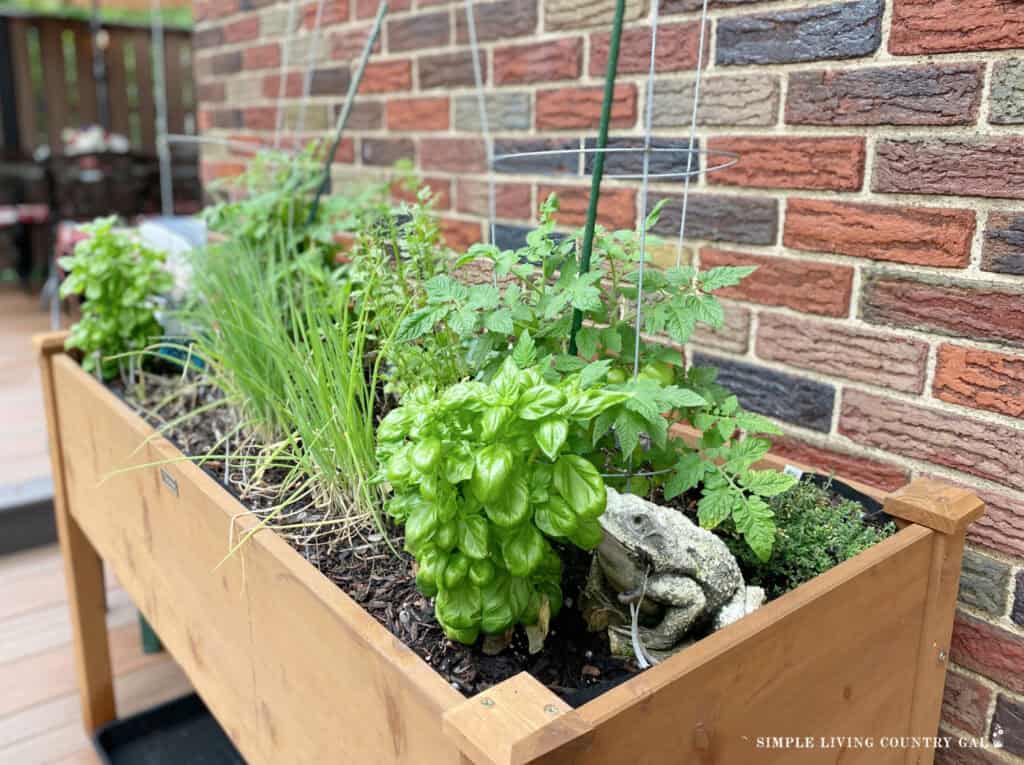
Getting started with herbs for your chickens is pretty easy. Whether you have a backyard garden, a small patio, or a sunny windowsill in your home, herbs are adaptable and forgiving, once you know a few basics, you can grow them with confidence.
Outdoors:
Most herbs love full sun, well-drained soil, and regular, moderate watering. Pick a spot that gets at least 6–8 hours of sunlight a day. Raised beds or containers near the coop make harvesting quick and convenient. Before planting, loosen the soil and mix in some compost or organic fertilizer to give your herbs a strong start.
Keep in mind that some herbs, like oregano and mint, can spread quickly, so consider planting them in separate pots or sections of your bed.
Regularly trimming the leaves encourages bushier growth and keeps herbs from flowering too soon, which can change their flavor and potency.
Indoors:
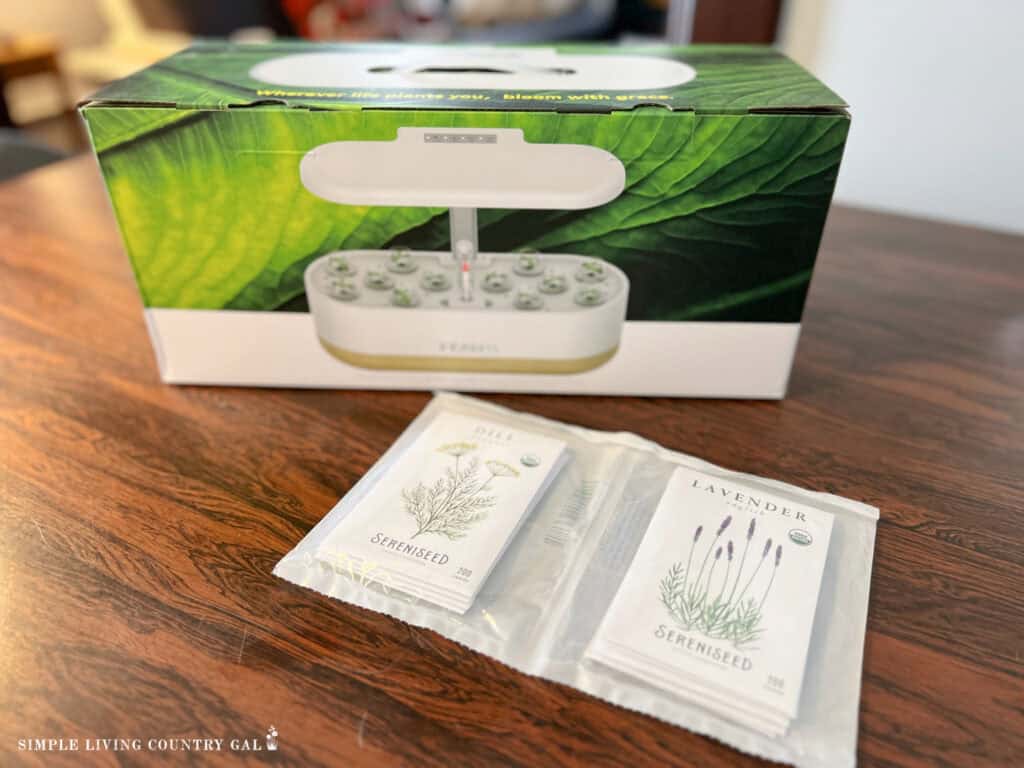
You don’t need a big garden to grow herbs. A sunny windowsill, an indoor growing setup, or a spot under a grow light with at least 6 hours of light a day works well. Make sure your containers have good drainage so the roots don’t sit in water.
Herbs like parsley, oregano, thyme, and mint do really well indoors. Rotate your pots every so often so all sides get sun, and pinch or trim leaves regularly to keep them productive and full. Indoor herbs are especially handy in winter when your outdoor garden slows down, keeping you stocked with fresh herbs for your flock all year long.
Storing Herbs for Year-Round Use
One of the best things about growing herbs is how easy it is to keep them for later. With a few simple methods, you can preserve almost any herb you grow. That way, you can continue using them year-round to support a healthy, happy flock, even when the weather isn’t cooperating.
- Drying: Tie herbs into small bundles and hang them in a cool, dry place until completely dry. Once dry, store them in glass jars away from light to keep them potent and aromatic.
- Freezing: Chop fresh herbs and freeze them in ice cube trays with a little water. This makes it easy to pop a cube into feed or treats whenever you need it.
- Herbal Blends: Mix your dried herbs into a custom “chicken wellness” blend. Sprinkle it over feed or bedding for a simple, everyday boost to your flock’s health.
Q&A: Common Questions About Using Herbs for Healthy Flocks
Q: Can I give my chickens too many herbs?
A: Absolutely, herbs are healthy, but moderation is important. Too much of certain herbs can upset digestion or make feed unappetizing. A good approach is to offer small amounts regularly, rather than large quantities all at once, so your chickens get the benefits without any side effects.
Q: Do herbs replace vaccinations or vet care?
A: No, herbs are supportive, not a replacement for proper veterinary care. They help strengthen your chickens’ immune systems and overall health, but they should always be part of a comprehensive care plan that includes good nutrition, a clean coop, regular health checks, and veterinary guidance when needed.
Q: Which herbs should I start with if I’m new?
A: Start with easy-to-grow, versatile herbs like oregano, mint, and parsley. These herbs are forgiving for beginners, provide multiple health benefits, and are simple to incorporate into feed, bedding, or water. Once you feel comfortable, you can experiment with more specialized herbs to further boost your flock’s health.
Adding herbs to your chicken-keeping routine is one of the simplest, most effective ways to raise a happy, healthy flock. This list of the best herbs to grow for healthy chickens gives you practical options to boost nutrition, support immunity, reduce pests, and even freshen the coop, all naturally.
Starting with easy-to-grow herbs like oregano, mint, and parsley makes it simple to see results quickly, whether you’re planting in the garden, in containers, or indoors.
Remember, herbs are a supportive tool, they’re part of a full care plan that includes proper nutrition, clean housing, and regular health checks by you. Adding these natural helpers to your routine helps you raise chickens that are harder, lay more eggs consistently, and are happier overall.
