
How to Build a Chicken First Aid Kit
If you’ve ever heard the saying “Be prepared,” you know how true it is—especially when it comes to caring for your flock. After dealing with a few surprises in the chicken coop myself, I can promise you it’s much easier when you’ve got the right supplies on hand. That’s why I put together this guide on how to build a chicken first aid kit.
When you’re raising chickens, a little preparation goes a long way—you’ll be set to handle whatever bumps, scrapes, or surprises come your way.
When I first started raising animals, I actually began with pigs—and let me tell you, looking after pigs is nothing like caring for chickens! Pigs are tough and, in the eight years we had them, I barely ever had to step in with any medical help. But the moment we brought chickens into our lives, I quickly realized just how delicate and curious they can be. Chickens have a knack for finding trouble, and if you’re not prepared, those little emergencies can sneak up on you.
That’s why I truly believe in having a dedicated chicken first aid kit on hand. Not only does it make you feel more confident as a chicken keeper, but it’s also the responsible thing to do for your flock.
The best part? You don’t need a lot to get started, and most of the essentials are pretty affordable. Having those supplies ready can turn a stressful moment into a quick fix—and your future self (and your chickens) will thank you for it.
Can You Take a Chicken to the Vet?
Sometimes they do, and sometimes they don’t—it really depends on where you live. As backyard chickens become more popular, more vets are starting to see them, but not every clinic is set up for poultry. Since chickens fall under avian medicine, vets who specialize in birds are usually your best bet. If you’re in a rural area, though, some livestock vets might also know quite a bit about caring for chickens, especially if poultry is common in your community.
Before you run into an emergency, it’s smart to look up local veterinarians and see who is comfortable treating chickens. Building that relationship early means you’ll know exactly who to call if your flock needs help.
And even if your local vet doesn’t typically treat chickens, don’t be afraid to ask for advice over the phone—they’re often happy to help out or point you in the right direction when something comes up.
How to Build a Chicken First Aid Kit
Building a chicken first aid kit is one of the smartest steps you can take as a backyard chicken keeper. Chickens are somewhat resilient but prone to injuries, illnesses, and in rare instances, sudden health issues. Being prepared can save you time, money, and heartache when something unexpected arises.
1. Antiseptic Spray or Wound Cleaner
Chickens are active and often get minor cuts and scrapes. An antiseptic spray or wound cleanser can help to prevent infection. Look for poultry-safe options like those containing chlorhexidine, and keep them stored away from direct sunlight to ensure they remain effective.
A good option is Blu-Kote or Poultry Spray.
2. Styptic Powder
Accidents can happen when you’ve got a flock, especially with things like random nails, a briar bush, or even broken feathers. That’s where styptic powder can be very helpful. It quickly stops bleeding, making it a must-have for small injuries. Just be sure to keep it stored in a cool, dry spot so it doesn’t clump up.
Dr. Naylor Blu-Kote Aerosol (128 Gram) – Fast Drying Antiseptic Wound Dressing Pack of 2 Chicken Wound Spray with Silver – Bird & Chicken Skin Treatment for Burns, Pecking Sores, Bumblefoot, and Cuts – Safe Silver Formula – Convenient 4 Oz BottleFlock Shield Respiratory Aid for Poultry – 4oz Chicken Supplement & Rooster Booster for Respiratory System – Dropper Top & Spray Top Included – Safe for All Birds – Drinking Water Additive


3. Electrolyte Solution
Chickens don’t sweat, so heat stress and dehydration can sneak up on them—especially during those hot summer months. An electrolyte solution or powder is a great way to help them bounce back and regain their energy. Grab individual packets for easy storage and to keep them fresh longer.
4. Antibiotic Ointment
For cuts and scrapes, an antibiotic ointment is a lifesaver—it helps wounds heal and keeps infections away. Just make sure to skip anything with pain relievers, as those can be harmful to poultry. A small tube lasts ages, so it’s definitely worth keeping on hand.
5. Probiotic/Vitamin Supplements
Stress or illness can throw off your chickens’ digestion and leave their immune systems struggling. That’s where probiotic powders or vitamin supplements come in handy—they’re a great way to give their health a little extra support. Go for sealed, single-use packets to keep them fresh and effective.
18 Piece Bundle – 9 Packets of Sav-A-Chick Electrolyte and Vitamin Plus 9 Packets of Sav-A-Chick ProbioticEqua Holistics HealthyGut Probiotics for Chickens & Poultry, All-Natural Digestive System Dietary Supplement (30 Scoops)FlockLeader Thrive, Daily Probiotic & Prebiotic Poultry Supplement for Chickens 8+ Weeks Old, 8 oz


6. Thermometer
Sometimes, you might need to check the temperature of your chicken. A thermometer can help you catch fevers or spot any unusual temperatures. Go for a digital, poultry-safe thermometer to get the most accurate readings.
7. Poultry Safe Dewormer and Anti-Parasite Treatments
Keep your flock healthy with poultry-safe dewormers and anti-parasite treatments. Parasites like mites and worms can really take a toll on your chickens, so it’s good to have these treatments ready to go. Just make sure to store them as directed—usually in a cool, dry spot.
8. Basic Supplies
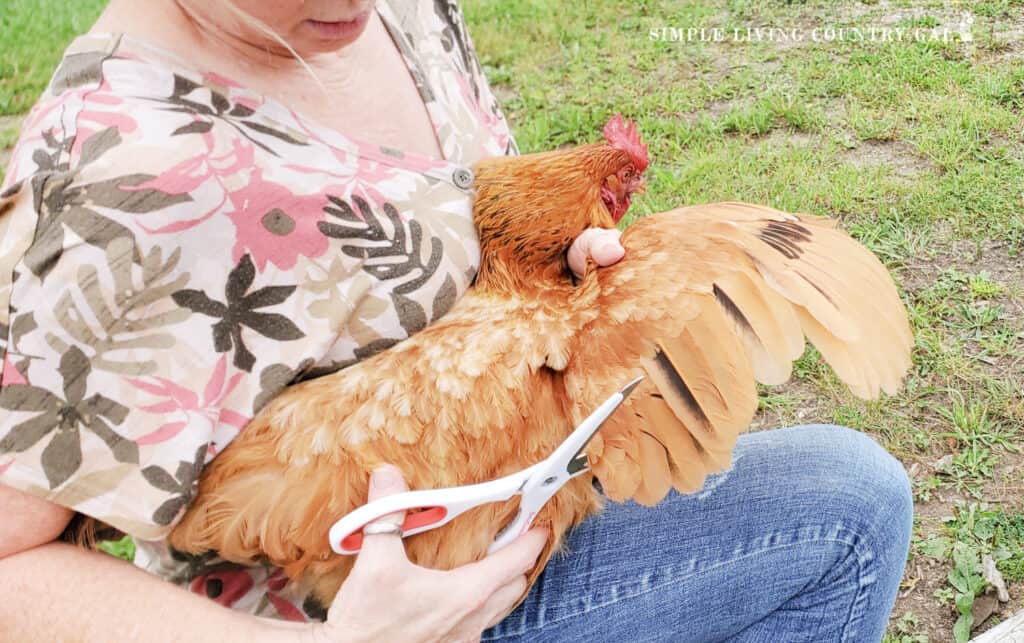
It’s always a good idea to have a few basic tools on hand for chicken care. Think along the lines of an eye dropper for giving liquid meds, scissors for trimming feathers, and gloves for treating wounds.
Picking the Right Container for Your First Aid Supplies
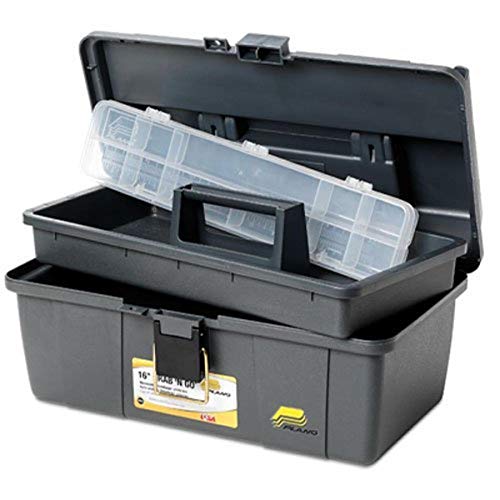
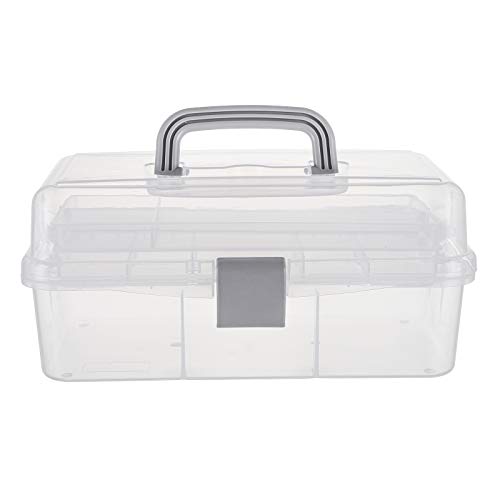
Go for a sturdy, waterproof container—something like a plastic tote, toolbox, or even a big tackle box works great. Make sure to label it clearly so it’s easy to spot.
Organize your supplies by type and how often you’ll need them, so you can grab what you need in a pinch. Keep the kit in a dry, easy-to-reach spot near your chicken coop, but make sure it’s out of reach of kids and pets.
BangQiao Multipurpose Plastic Storage Container Box with Handle and Latch Lock, Clear GrayPlano 452-006 Grab-N-Go 16-Inch Tool Box with TrayTosnail 12-Inch 3 Layers Plastic Craft Organizer Box Storage Container First Aid Carrying Case for Sewing, Painting, Arts – Clear

When and How to Use your Chicken First Aid kit
Let’s talk about some of the specific issues you might face as a chicken owner—and how your first aid kit can help.
When Illness Strikes
Chickens are known to catch colds, especially when the weather changes. Having things like electrolytes, probiotics, and vitamin supplements on hand can really help your flock bounce back and support their immune systems.
If one of your birds seems more than just a little under the weather, don’t hesitate to call your vet—they might recommend antibiotics or other medications.
Dealing with Weather Woes
Depending on where you live, your chickens can face anything from heatwaves to freezing temps. In summer, electrolytes and an ice pack are your best friends for treating heat stress. When winter rolls in, keep some Vaseline handy—it’s perfect for rubbing on combs and wattles to protect them from frostbite.
First Aid for Everyday Issues
Chickens aren’t always the most graceful and can run into minor scrapes, cuts, or even foot injuries. This is where your antiseptic spray, some gauze, Blu-Kote, and vet wrap are lifesavers.
These basics let you clean up, cover, and protect wounds quickly, helping your bird heal faster and keeping everyone calm.
Cold and Respiratory Support
If you notice your chickens sneezing or with a runny nose, you’re probably dealing with a mild respiratory issue. Herbal aids like VetRx can give them some relief. Be sure their coop is dry by adding fresh bedding and straw to their nesting boxes.
Probiotics and vitamins are great for supporting recovery, too.
Signs to Watch For When a Chicken is Acting Off
Chickens are pretty sneaky when it comes to hiding symptoms from the rest of the flock, which can make spotting issues a bit tricky. That’s why it’s so important to know how your chickens behave when they’re healthy—it’ll make it much easier to notice when something seems off.
If you notice any of these signs, it’s time to call your vet or break out your first aid kit:
- Lethargy or not wanting to move
- Fluffed-up feathers (a common sign they’re unwell)
- Changes in how much they’re eating or drinking
- Discharge from their eyes, nose, or beak
- Trouble breathing
- Limping or holding one foot up
- Pale combs or wattles
- A sudden stop in egg production
By keeping an eye out and having a well-stocked first aid kit ready, you’ll be prepared to step in and give your chickens the care they need, right when they need it.
By staying alert and having a well-stocked first aid kit on hand, you’ll be ready to jump in and care for your chickens whenever they need it.
If you’re wondering how to build a chicken first aid kit, start with the basics we’ve covered here, and customize it to fit your flock’s needs. A little preparation goes a long way in keeping your chickens happy, healthy, and thriving.
With the right tools and know-how, your flock is in great hands.
