
How to socialize baby goats
Learning how to socialize baby goats early can make all the difference in how easy they are to raise later on. If you are working through How to Raise Dairy Goats, one of the smartest things you can do is build trust with your kids from the very beginning.
We learned this the hard way with one little doeling that wanted nothing to do with people and treated chore time like an Olympic event. Cute?
Yes. Helpful? Not even a little.
Friendly goats are calmer, easier to feed, simpler to handle, and much more enjoyable to have in your herd. The good news is it is absolutely teachable.
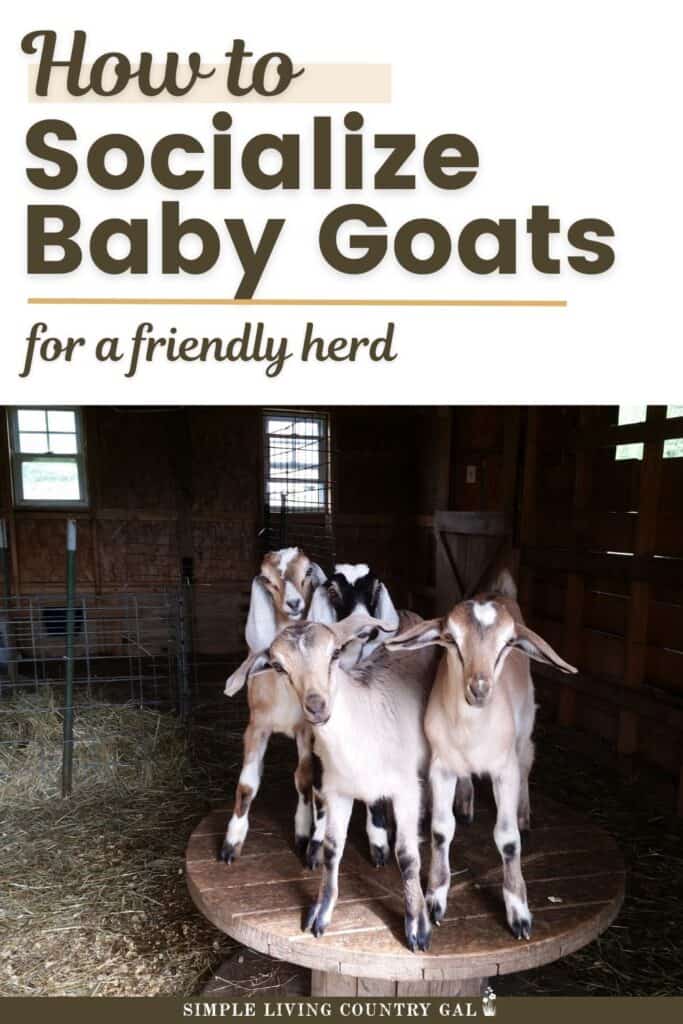
When I first started raising goats, I knew absolutely nothing. I just knew I wanted a healthy herd that could give our family plenty of milk, with extra to sell.
I started with two pregnant does and added more goats as time went on. Some of the goats we bought were like pets. They came when called, played, climbed on everything, and genuinely wanted to be around me.
Others were the complete opposite. The minute I walked into the barn, they would huddle in the nearest corner. If I tried to get close, they took off running like they owed me money.
Honestly, it was both frustrating and disheartening. I wanted a calm, friendly herd, but instead I had a few drama queens living in the barn.
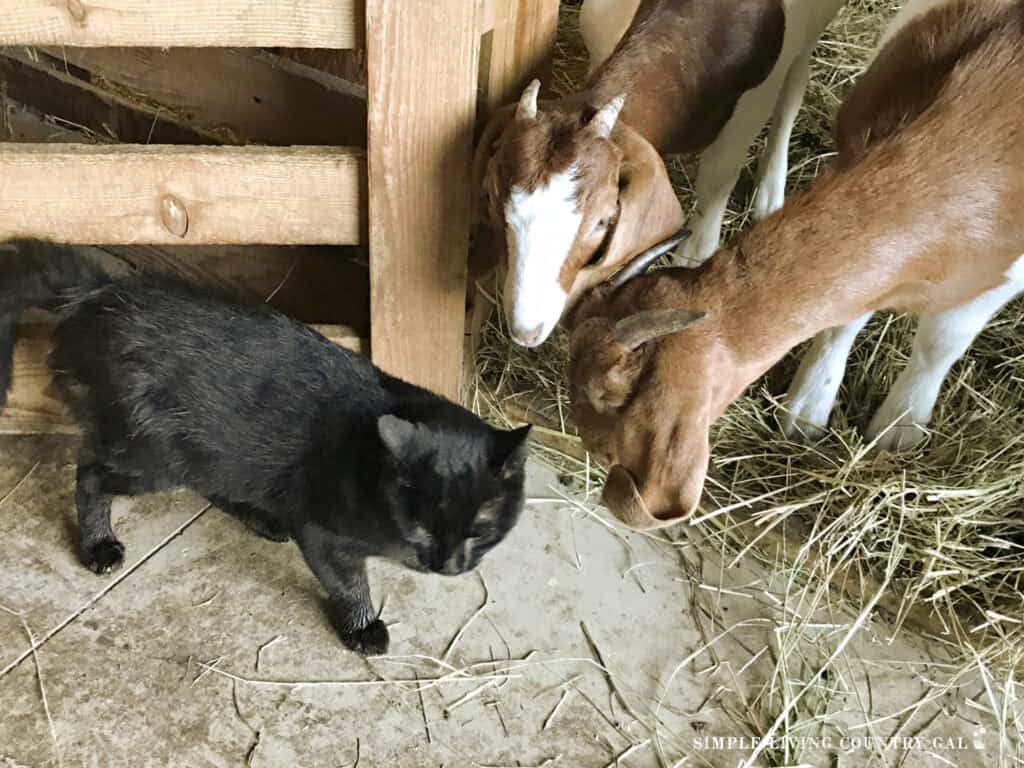
Why Friendly Goats Make Daily Chores So Much Easier
There is a huge difference between raising goats and enjoying goats. A lot of that comes down to how comfortable they are with people.
Friendly goats make chores easier. They are simpler to feed, easier to move, and far less likely to act like the barn is on fire because you walked in holding a grain scoop.
They are also calmer for hoof trims, health checks, kidding time, and even milking routines. And if you ever need help from family or friends, it is much nicer handing them a sweet goat than one that launches itself sideways like a squirrel with trust issues.
The best part is this is not usually luck. It often starts with how those baby goats are handled in the beginning. A little time early on can give you a herd that is calmer, safer, and a whole lot more enjoyable to care for.
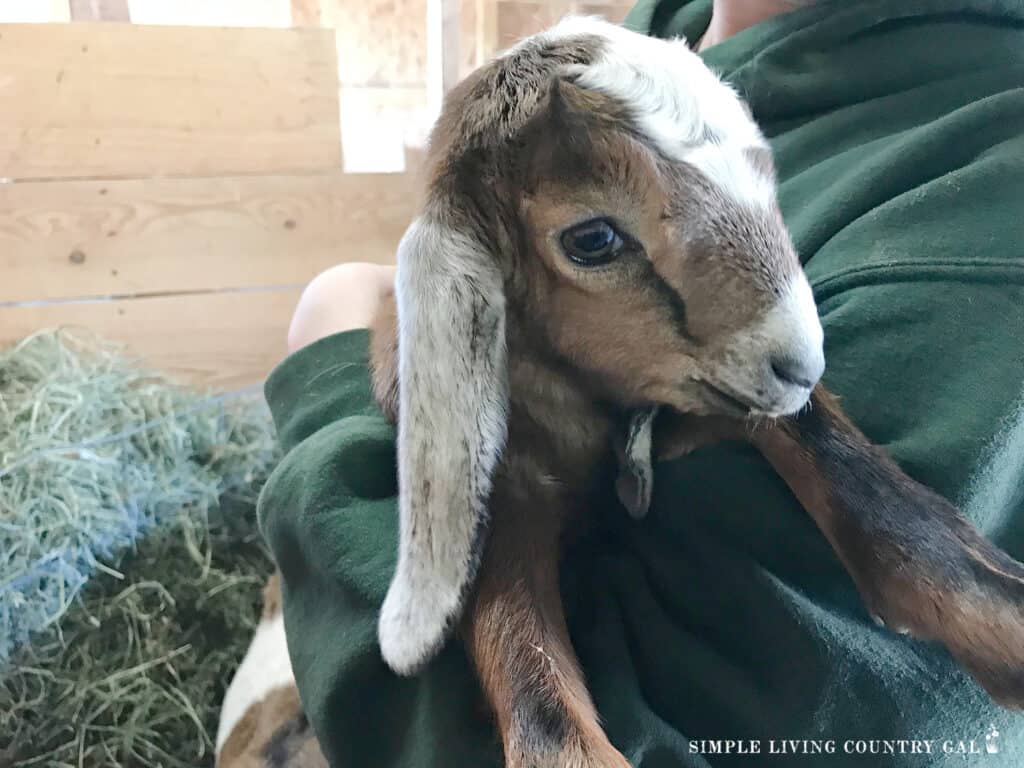
The Best Time to Start Socializing Baby Goats
If you are wondering how to socialize baby goats, the best time to start is when they are young. Baby goats are curious by nature, and those early days are when they learn what feels safe, normal, and worth trusting.
Now, that does not mean you need to camp out in the barn. It simply means being around them often and making your presence a good and positive thing.
Talk to them when you walk in. Always move slowly. Sit nearby while the herd is eating. Let them sniff your boots, nibble your jeans, and investigate you on their own terms. Baby goats are nosy little things, so use that to your advantage.
The more calm, positive contact they have early on, the more likely they are to grow into goats that see people as part of normal daily life instead of something suspicious.
Even a few minutes each day can make a big difference. With goats, small moments add up fast.
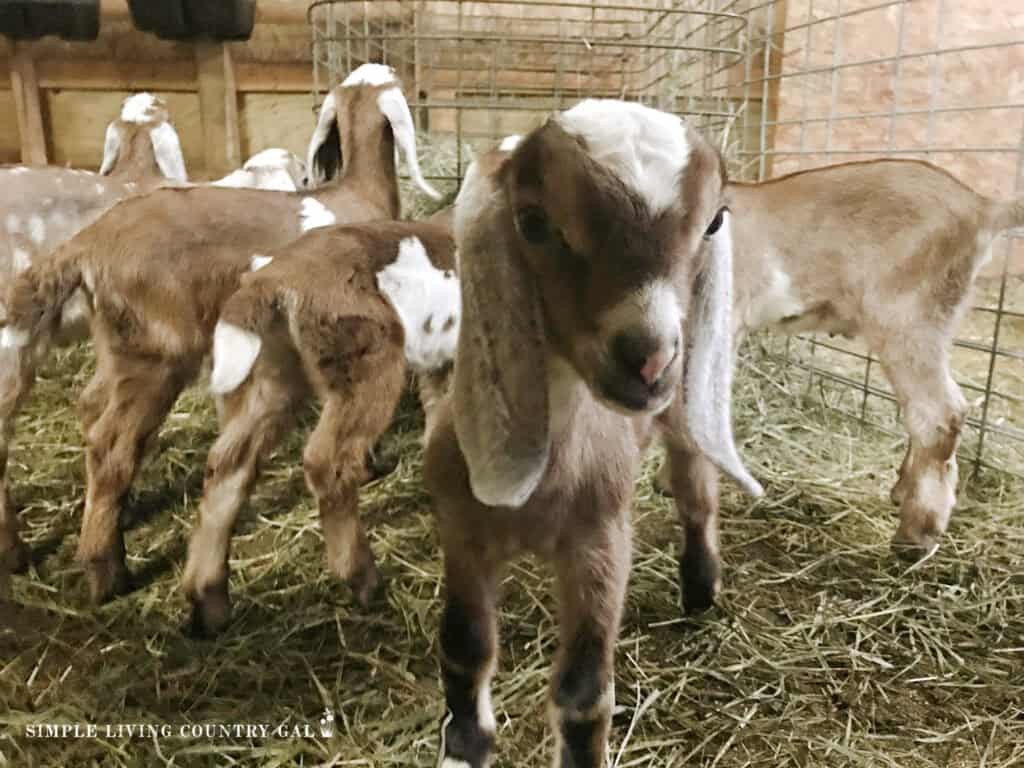
Daily Habits That Build Trust Fast
When it comes to socializing any goats, the biggest progress usually happens in the small everyday moments. Baby goats learn fast, and what they experience early often becomes what they expect later.
Be Consistent
Start by being around as often as you are able. You do not need to spend hours in the barn, but regular and consistent presence matters. When goats see you daily, hear your voice often, and watch you move through chores, you become part of what feels normal instead of something uncertain.
Animals are comforted by familiarity. The more familiar you are, the less fearful they tend to be.
Keep a Routine
Feed at the same time each day when possible and move through chores in a calm, predictable way. Goats learn routines quickly, and routine builds trust.
When animals know what to expect, especially goats, I have found they tend to relax. They learn that when you come through the gate, good things usually happen. Hay arrives. Grain appears. Water gets refreshed. Life improves. You become associated with care instead of stress. That is a pretty good reputation to have.
Use Your Voice Often
Talk to them while you fill feeders, refresh the water, or clean out the pen. You do not need a special goat language. Just speak normally and let them learn your tone.
They may act like they are ignoring you, but they are listening. It’s true that goats are nosy, comical, and definitely dramatic, but they also pay very close attention to what is going on around them. Over time, your voice can become calming because it signals that everything is fine.
Take Your Cues From Them
Offer gentle touch when they are relaxed. A scratch on the neck, a rub along the shoulder, or a quick pat while they eat. Start where they are comfortable and let trust build naturally.
If a kid steps away, let them. If they lean in, keep going. Letting goats choose interaction often builds confidence faster than forcing contact ever will.
No chasing, no grabbing, and no turning it into a wrestling match. Nobody builds trust while being tackled.
Reward Curiosity
When a baby goat comes closer, sniffs your boot, or stands nearby calmly, that is progress. Stay relaxed and let the moment be positive.
Curious goats are learning bravery. If those brave moments are met with calm experiences, confidence grows quickly.
Be Patient With the Cautious One
And if one little goat hangs back every time, do not worry. There is usually one cautious kid in every young herd. Sometimes they just need more time watching everyone else decide you are acceptable.
Patience wins more than pressure ever will. Slow trust often becomes very solid trust.
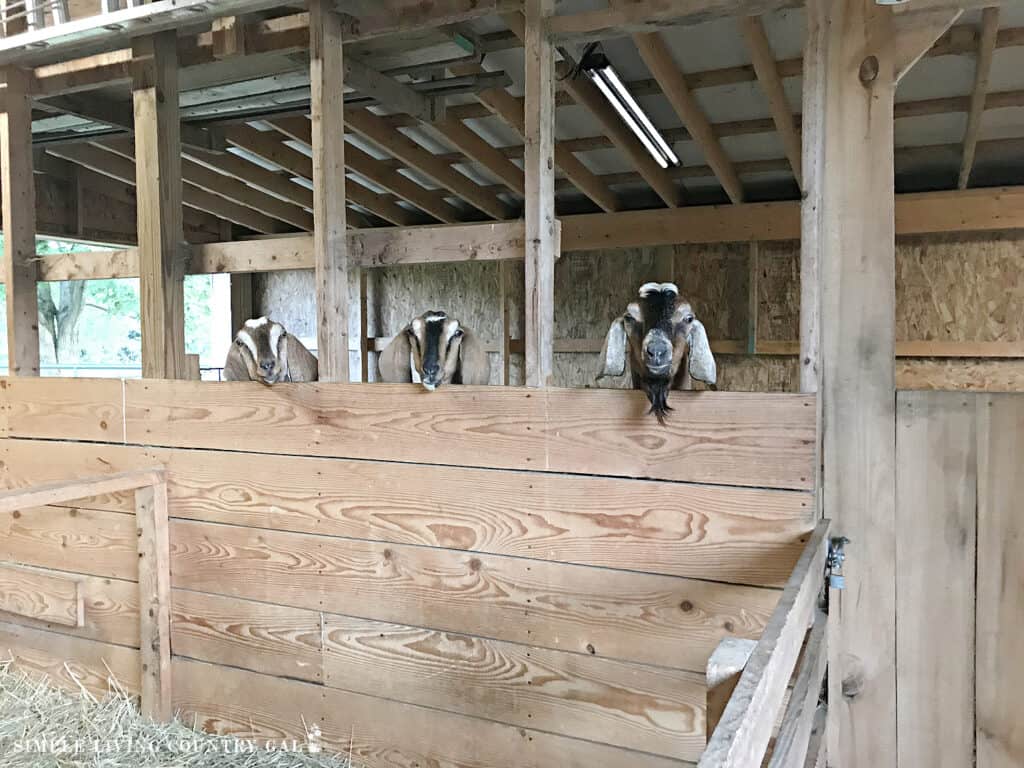
How to Socialize Dam Raised Baby Goats Without Bottle Feeding
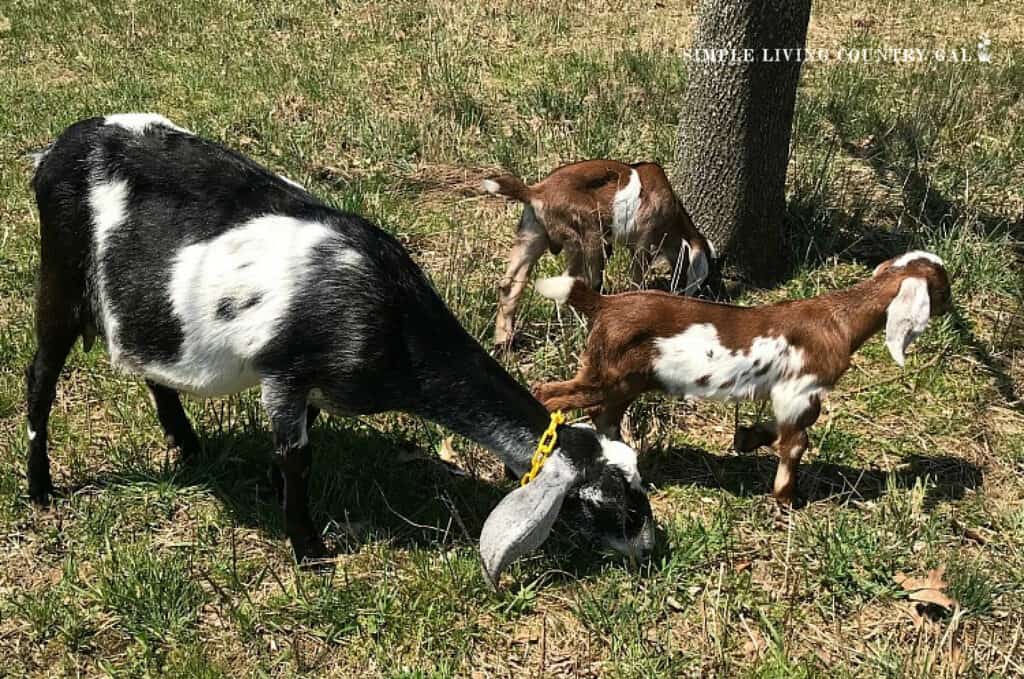
If your baby goat was raised by her mother and seems a little wary of people, do not panic. A lot of goat owners worry they missed their chance by not bottle feeding, but the good news is that is simply not true. Many calm, friendly goats are dam raised and do wonderfully with people once trust is built the right way.
In fact, dam raised kids often learn valuable herd behavior from their moms. They learn how to eat, follow the herd, settle into routines, and read the social rules of goat life. Your job is simply to add yourself into that picture early and often.
Yes, it may take a little more time, but if you stay consistent and patient, your kids can absolutely learn to trust and even enjoy being around you.
Spend Time Near the Doe and Kids
One of the easiest ways to build trust with dam raised kids is to be present while the doe is eating or relaxing. Sit nearby, talk softly, and let the kids watch you interact calmly with their mother. If mom trusts you, the babies often take notice.
Baby goats are always studying the room. If they see other goats standing calmly beside you, they learn you are probably safe too.
Handle Them Briefly and Gently
Short, calm handling sessions can go a long way. A quick scratch, checking them over, or holding them for a moment before setting them back down teaches that human touch is normal and temporary, not something to panic over.
Keep these moments relaxed and short. Ending on a calm note matters more than making it long.
Use Feeding Time to Your Advantage
As kids begin nibbling hay, grain, or treats, stay close during feeding times. This is a natural chance for positive contact because food creates confidence in a hurry.
You do not need to bribe them, but pairing your presence with good things can work wonders.
Respect the Mothering Stage
It is true that some does are relaxed with people around their babies, while others would prefer you kindly mind your own business. Pay attention to her comfort level. A stressed doe can create nervous kids, so move slowly and work with her temperament.
Know This Takes a Little Longer
Overall, know that dam raised kids do sometimes warm up slower than bottle babies, and that is okay. Slow does not mean impossible. It simply means you may need a bit more patience along the way.
The good news is many dam raised kids grow into some of the steadiest, sweetest does in the herd.
Mistakes That Can Create Skittish Goats
Sometimes the biggest reason a goat stays nervous is not personality at all. It is usually a few habits that accidentally teach them people are stressful, loud, or hard to trust. The good news is most of these mistakes are fixable once you know what to look for.
Moving Too Fast
Goats notice body language quickly. Fast walking, sudden reaching, loud movements, or cornering a kid can make you seem like a predator instead of a caretaker.
Slow down when you enter the pen. Move with purpose, but not urgency. Calm movement often gets a much calmer response.
Only Showing Up to Catch Them
If the only time you enter the barn is to trim hooves, give medicine, separate kids, or load someone into a trailer, goats begin to connect your presence with stressful events.
Try to show up sometimes just to feed, sit nearby, offer a scratch, or quietly spend time in the pen. They need to see you as more than the bringer of inconvenience.
Chasing to Get the Job Done
We have all done it. You need one goat, you are in a hurry, and suddenly everyone is sprinting laps.
Chasing may work in the moment, but it often creates bigger trust issues later. Whenever possible, use feed, gates, routine, or patience instead of pursuit.
Forcing Touch Too Soon
Some kids warm up quickly. Others need time. Reaching for a nervous goat every time they come near can teach them that curiosity leads to discomfort.
Let them approach. Reward closeness with calm behavior. Trust usually grows faster when goats feel they have a choice.
Being Inconsistent
If one day you are calm and patient, the next day rushed and frustrated, goats notice that too. Animals thrive on predictable behavior.
You do not need to be perfect. You just need to be steady more often than not.
Giving Up Too Early
Some goats trust quickly. Others take weeks or months. That slower timeline does not mean failure. It usually just means they need more repetition and patience.
Many cautious kids end up becoming wonderfully steady adult goats once they realize you are safe and reliable.
What to Do If You Already Have a Nervous Goat
If you already have a goat that acts like you are a suspicious stranger every time you walk into the pen, do not lose heart. Nervous goats can improve, it just may take more time and patience. The good news is that trust can still be built.
The first step is to stop trying to rush the relationship. Many skittish goats have learned that people mean pressure, chasing, grabbing, or stress.
Your job now is to change that story.
Start by simply being near them without asking for anything. Sit in the pen, move calmly through chores, talk while you work, and let them watch you from a distance. Sometimes the biggest progress happens when you stop pushing so hard.
Use routine to your advantage. Feed at the same time, move in the same calm way, and let them learn what to expect from you. Predictable people are easier to trust than chaotic ones.
When they choose to come closer, stay relaxed. Let them sniff your boot, stand nearby, or watch you work without immediately reaching for them. Curiosity is often the first sign of trust.
And most of all, celebrate small wins. A goat that no longer runs to the far corner is making progress. A goat that stays in the same half of the pen is making progress. A goat that takes one step closer is making progress.
With nervous goats, slow progress is still real progress.
Mrs. Pastures Barnyard Besties – Cookies and Treats for Goats, Sheep and Horses – Premium Treats – Made with Kelp, Oats & Vanilla – Preservative Free – All Natural – Made in USA – (3lbs) Goat Feeders Hanging, Chicken Waterer Feeder Trough for Poultry Livestock (3 * 3.5 Quart Black)4 Pieces Goat Lead and Goat Collars Set, Nylon 11 inch Sheep Lead with Reflective Strip Design and Nylon Goat Collar for Small Farm Animal Goat Cow Horse Sheep (Blue)


Raising a Friendly Herd
A friendly herd usually does not happen by accident. It is most often built through small, steady moments of trust repeated over time.
The way you move, the way you speak, the routines you keep, and the patience you show all matter more than most people realize. Baby goats are always learning, and many older goats are still learning too.
So if your herd is already calm and social, keep doing what is working. If you have one nervous goat making chores more exciting than necessary, do not give up on her yet.
Goats can surprise you in the best ways when they feel safe.
Start where you are, stay consistent, and remember that even five quiet minutes in the pen today can help shape the herd you want tomorrow.
Frequently Asked Questions About How to Socialize Baby Goats
Yes, older goats can absolutely learn to trust people. It may take a little longer than with baby goats, but steady routines, calm handling, and patience can make a big difference. Many nervous adult goats become wonderfully calm once they realize people are safe and predictable.
Not always. Bottle fed goats often get more early human contact, which can help, but many dam raised goats grow into friendly, affectionate goats too. What matters most is consistent positive interaction, not just how they were fed as babies.
Usually it means your goat is unsure of people or has learned to connect human presence with stress, chasing, or sudden handling. The best way to improve this is to slow down, be consistent, and spend time nearby without always trying to catch them.
That depends on the goat, their past experiences, and how consistent you are. Some goats improve in a few weeks, while others may take a few months. Focus on small signs of progress and remember that slow trust is still real trust.
More Goat Raising Tips to Read Next
If you are building a calm, happy herd, these next guides can help you even more:
