
How to Identify and Treat Common Goat Skin Issues
If you’ve been around goats for any length of time, you know they’re pretty tough animals. But even the healthiest herd can run into skin problems now and then, from dry, flaky patches to those mysterious bald spots that seem to appear out of nowhere. Learning how to identify and treat common goat skin issues is a big part of keeping your animals comfortable, productive, and healthy.
When I first started learning how to raise dairy goats, I was honestly surprised by how often skin troubles showed up. I had to learn pretty quickly how to spot the signs and treat those issues before they had a chance to spread through the herd.
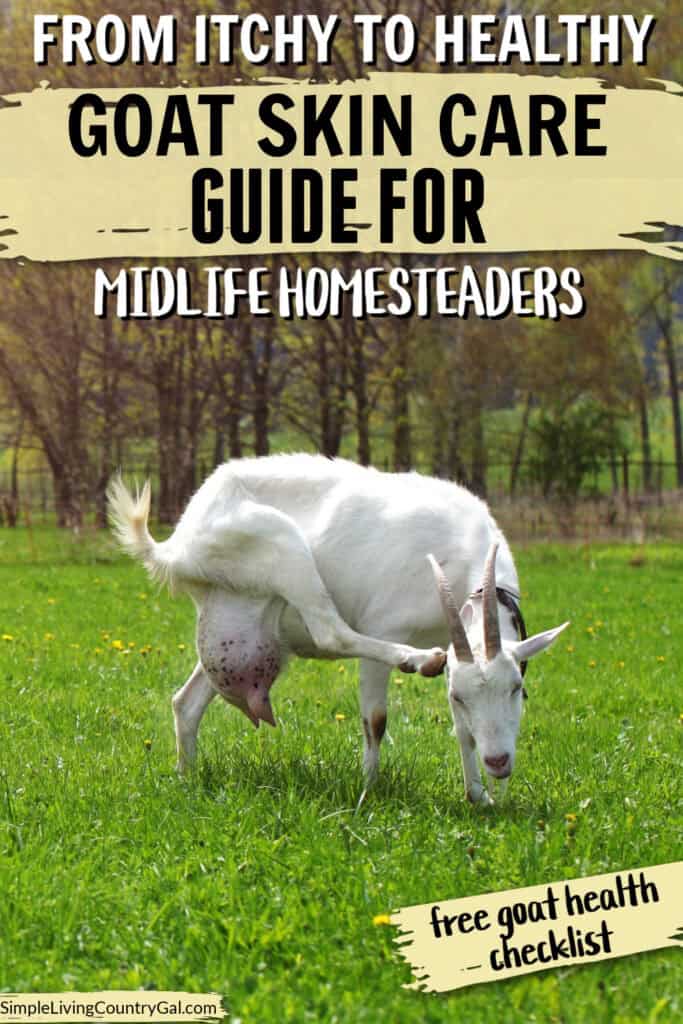
Raising animals is not for the faint of heart, that’s something I learned early on. No matter what we had on our homestead, I quickly discovered that dealing with health issues often fell squarely on my shoulders.
Our area isn’t exactly ideal for raising goats, so I started out at a bit of a disadvantage. That meant I had to become a detective, a bit of a vet, and a home-remedy expert all rolled into one. Every season brought new lessons, and each challenge pushed me to get better at reading my animals and responding quickly.
Disclaimer: I’m not a veterinarian, and the information in this post is for educational purposes only. Always consult a qualified livestock vet if you’re unsure about your goat’s health or if symptoms seem serious or persistent.
Winter and Goat Skin Issues
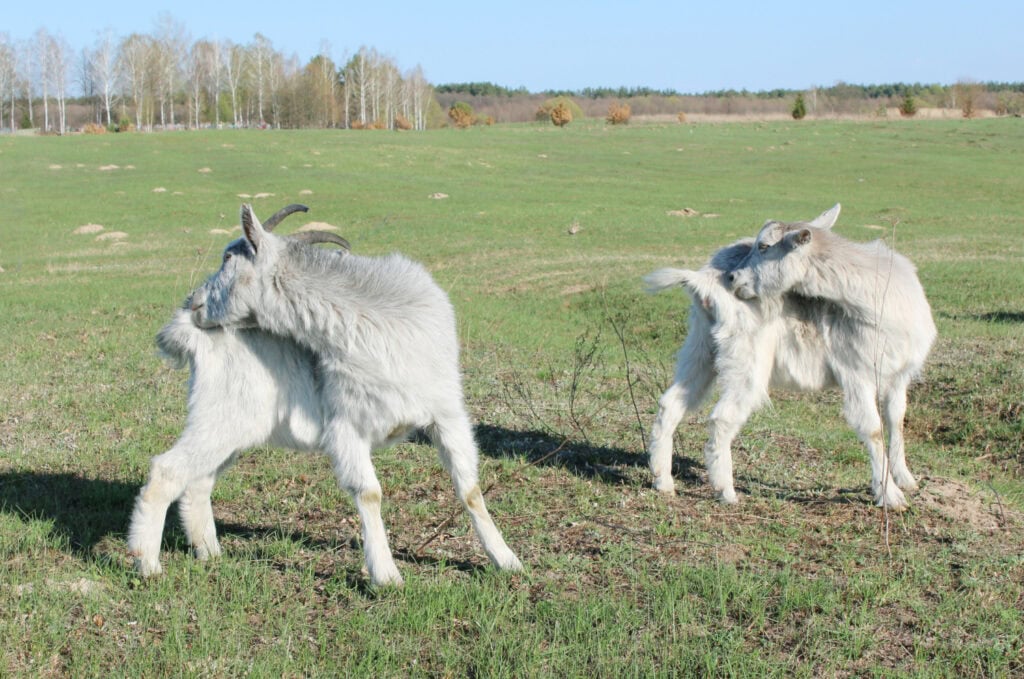
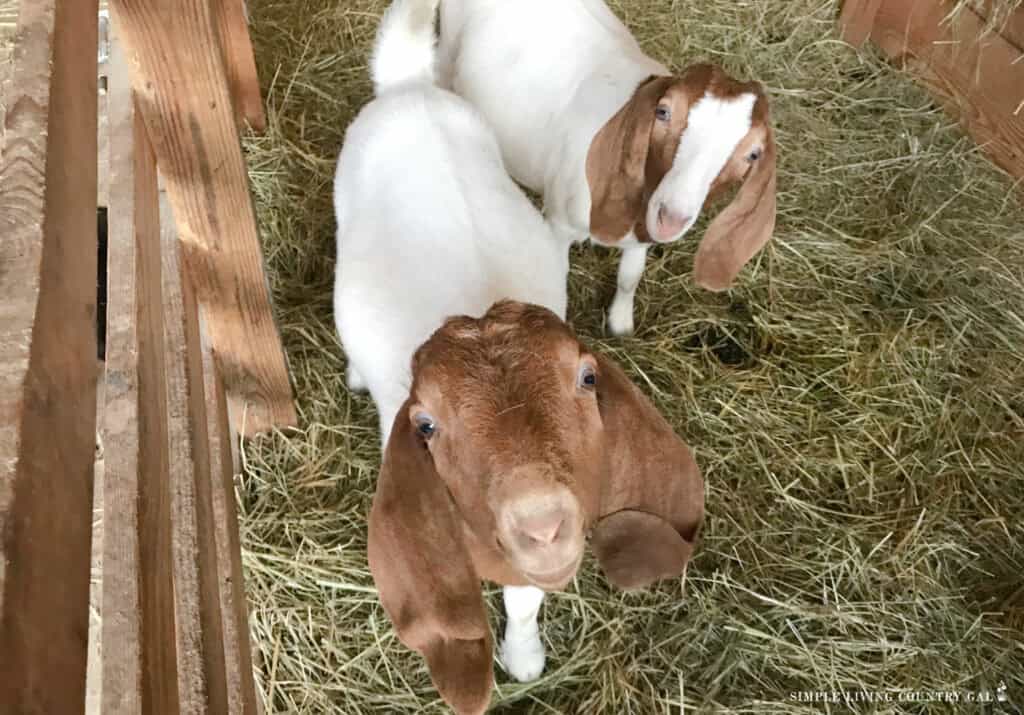
Winter can be tough on goat skin. The cold, dry air and extra time spent inside create the perfect environment for skin problems to pop up. I remember one year when one of our Boer goats couldn’t stop scratching, the wall, the fence post, even the hay feeder. At first, I brushed it off as a simple itch, but when her hair started thinning, I realized something more was going on.
I finally called our vet, who told me to part her fur and look for anything moving. Imagine my surprise when I saw tiny dots scurrying along her skin, our first run-in with livestock lice. Thankfully, it wasn’t a serious issue, but it sure was an annoying one.
That moment taught me an important lesson: when it comes to goats, small signs can lead to big problems if you ignore them. Paying attention early on can save you a lot of stress later.
As a midlife homesteader, I’ve learned that goat care isn’t about perfection, it’s about paying attention, staying curious, and being ready to step in when something looks off.
Why Healthy Skin Matters for Goats
It’s easy to overlook skin health when you’re focused on feeding, milking, breeding routines, but a goat’s skin is one of the best indicators of overall health. Think of it as a window into what’s happening inside your herd.
Healthy skin helps regulate temperature, protect against parasites, and support coat condition. When your goats’ skin is in good shape, their immune systems are stronger, their coats stay glossy, and their milk production tends to be steadier. On the flip side, dry, flaky, or irritated skin can signal nutritional deficiencies, stress, or an underlying illness that needs your attention.
You can usually tell a lot about a goat just by looking at its coat. A healthy goat has:
- Smooth, shiny hair that feels soft, not coarse or brittle.
- Supple, clean skin without flakes, crusts, or bald patches.
- Bright eyes and steady energy, since skin problems often drain comfort and confidence.
When skin issues appear, it’s your cue that something’s off, whether it’s diet, environment, or pests. The good news? Once you know what to look for, you can catch these problems early and make small changes that have a big impact on your herd’s health.
As someone who learned goat care later in life, I can tell you this: it’s not about knowing everything. It’s about paying attention to those little clues your goats give you and learning to trust your instincts. Get into the habit of touching your goats and petting them; it’s the best way to “see” if there is a change in their condition.
Common Goat Skin Problems (and How to Spot Them)
Even with great care, goats can run into skin problems from time to time. The key is learning to recognize what’s normal, and what’s not, so you can act quickly before things spread through the herd. Below are some of the most common goat skin issues you’ll come across and the signs to watch for.
1. External Parasites: Lice and Mites
If your goat is rubbing on fences, scratching constantly, or losing patches of hair, parasites are often the culprit.
- Lice are tiny, flat insects that live on the goat’s skin or hair. You might see them moving if you part the fur, or you might just notice flaky skin and restlessness.
- Mites burrow into the skin and can cause scabbing, redness, and thick, crusty patches (especially around the ears, face, or legs).
Tip: Check your goats regularly in winter when lice are most active. Goats with thicker coats and less grooming time indoors can easily become infested.
2. Fungal Infections: Ringworm and Beyond
Ringworm is a fast-spreading fungal infection that thrives in humid or crowded conditions, and despite the name, it has nothing to do with worms.
- Look for round bald spots with flaky or crusty edges.
- In some cases, the skin underneath might appear grayish or scaly.
It’s contagious to both other goats and humans, so handle infected animals last and wash your hands well afterward.
3. Dry Skin and Dandruff
Goats can get dry, flaky skin just like we do, especially during winter or if they’re lacking certain nutrients.
- Causes: Low humidity, poor ventilation, or a diet short on essential fatty acids and minerals.
- Symptoms: Flakes or dust-like debris in the coat, especially along the back and shoulders.
Adding a good loose mineral mix and a touch of black oil sunflower seeds to their diet can make a big difference.
PURINA® Wind and Rain® Goat Mineral | 25 Pound (25LB) Bag Kalmbach Feeds Goat Mineral Block Supplement, 25 lb BlockREDMOND Goat Mineral 25lb Bag


4. Abscesses and Sores
Not all lumps or scabs are minor. Abscesses, soft, swollen bumps filled with pus, may indicate Caseous Lymphadenitis (CL) or other bacterial infections that require veterinary attention.
- Never pop or drain abscesses on your own unless you’re working under vet guidance.
- Keep affected goats isolated in a separate pen until you know what you’re dealing with.
5. Allergic Reactions or Irritations
Sometimes, skin issues stem from something simple, a new type of bedding, soap, or even hay dust.
- You might see small red bumps, mild swelling, or general itchiness without other signs of illness.
- Try removing potential irritants one at a time to see if symptoms improve.
The more you observe your goats, the easier it gets to notice subtle changes because details matter, and catching them early can keep a minor issue from turning into a full-blown herd problem.
How to Diagnose Goat Skin Issues
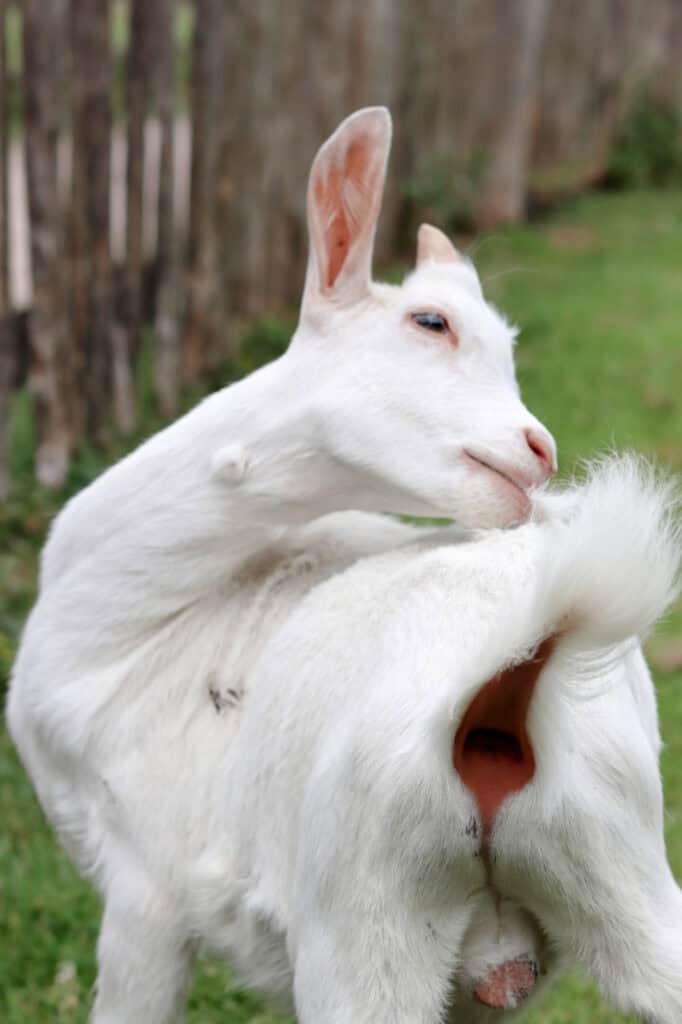
When something looks off with your goat’s skin, the first step is to slow down and take a closer look. Skin problems can look similar at first glance, so getting a clear idea of what’s happening helps you choose the right treatment, and avoid making things worse.
Over the years, I’ve learned that diagnosing goat skin issues is part observation, part detective work. Here’s how to get started.
1. Observe Behavior Changes First
Goats are creatures of habit, and when they start acting differently, that’s usually your first clue.
- Are they scratching more often?
- Rubbing on fences or posts?
- Restless or cranky when touched?
These small changes often show up before any visible signs on the skin.
2. Do a Full-Body Check
Gently run your hands over your goat’s body, feeling for any bumps, scabs, bald spots, or flakes. Part the hair in a few different places, around the neck, tail base, shoulders, and under the legs, to get a good look at the skin.
You’re checking for:
- Movement or crawling insects (lice or mites)
- Redness, irritation, or scabs (fungal or bacterial issues)
- Circular patches of hair loss (possible ringworm)
- Dry flakes or dandruff-like debris (dry skin or poor nutrition)
If you notice anything unusual, jot down notes or take photos so you can track changes over a few days. Your phone is a great tool to have when caring for animals.
3. Look for Patterns
Are multiple goats scratching in the same area? That usually points to parasites or a contagious infection.If it’s just one goat, it could be irritation, diet, or even a mild allergic reaction.
Patterns help narrow down the cause, and that means you can act faster and more effectively.
4. Isolate When Needed
If you suspect mites, lice, or ringworm, move that goat to a separate pen. Contagious skin problems spread fast through a herd, especially in winter when everyone’s in close quarters.
Keep up with cleaning and change bedding regularly while you treat the issue.
5. Know When to Call the Vet
Sometimes, despite your best efforts, you just can’t figure it out, and that’s okay. Call your vet if:
- The issue spreads quickly or affects multiple goats
- You see pus, deep wounds, or severe swelling
- Your goat stops eating or seems lethargic
- Home treatments don’t improve things within a week
Trust your gut; if something doesn’t look right, it probably isn’t. A quick call to your vet can save time, stress, and a whole lot of frustration (for both you and your goats).
Tip: Even if you do not have a large animal vet in your area, your pet vet may still be able to help. Give them a call and ask them for advice; more often than not, they will help guide you in the best direction for care.
Home Treatments for Common Goat Skin Issues
Once you’ve figured out what’s going on with your goat’s skin, the next step is treatment. The good news? Many mild skin issues can be managed right at home with a few simple tools and natural remedies you probably already have on hand.
1. Treating Lice and Mites
For external parasites, you’ll want to focus on both the goat and their housing:
- Dust or pour-on treatments: Use a livestock-approved product designed for goats or sheep, and always follow label directions.
- Natural options: Diatomaceous earth (food-grade only) can be lightly dusted on the coat and bedding to help reduce lice populations.
- Clean the area: Replace bedding, scrub down stalls, and wash brushes or blankets to break the life cycle.
Re-treat after 10–14 days to catch any newly hatched pests.
2. Managing Fungal Infections (like Ringworm)
Ringworm is contagious, but manageable with patience and cleanliness.
- Topical treatment: Apply an antifungal cream or spray approved for livestock once or twice daily.
- Homemade rinse: A mix of apple cider vinegar and water (1:1 ratio) can help soothe irritated skin and discourage fungal growth.
- Clean and isolate: Disinfect brushes, pens, and any shared surfaces. Handle infected goats last and wash your hands well afterward.
Most cases clear up in a few weeks with consistent care.
3. Soothing Dry Skin and Dandruff
For dry, flaky skin, the goal is to add moisture from the inside out.
- Diet: Make sure your goats have access to a high-quality loose mineral mix and consider adding black oil sunflower seeds for healthy fats.
- Topical help: A small amount of coconut oil or olive oil rubbed into dry areas can help restore softness.
- Environment: Good ventilation, dry bedding, and regular grooming go a long way toward preventing dry skin.
4. Treating Minor Cuts or Sores
Small scrapes or abrasions happen all the time. Keep them clean and watch for signs of infection.
- Rinse with a mild antiseptic solution (like diluted iodine or chlorhexidine).
- Apply an antibiotic ointment if the area looks red or irritated.
- Keep flies away and bedding clean until the skin heals.
If swelling or pus develops, that’s your cue to call the vet, you could be dealing with something deeper, like an abscess.
5. Calming Mild Allergic Reactions
When irritation pops up suddenly and doesn’t seem to be from bugs or infection, an allergy might be to blame.
- Remove new bedding, feed, or products to see if symptoms improve.
- Bathe the goat with a gentle, fragrance-free livestock shampoo to remove potential irritants.
- Offer plenty of clean water to help flush out their system naturally.
Caring for skin issues takes consistency, but it’s also a great way to bond with your goats. You’ll notice more, catch problems sooner, and feel more confident handling whatever comes your way.
When to Call the Vet
Even the most attentive goat owner will face a skin issue that’s just plain puzzling. Maybe you’ve tried home treatments and things aren’t improving, or maybe your goat just isn’t acting like herself. This is when it’s time to bring in your vet.
Goat skin problems can look similar, and sometimes what appears to be a simple irritation could be a sign of something deeper, like an internal infection, nutritional imbalance, or contagious disease. A quick vet check can give you peace of mind and often save you a lot of time (and frustration).
Here’s when to make that call:
- The problem spreads quickly or several goats are showing symptoms.
- You notice swelling, oozing, or foul-smelling discharge.
- Your goat is lethargic, off feed, or losing weight.
- Hair loss or sores cover large areas of the body.
- You suspect ringworm, mites, or something contagious.
- Home treatments haven’t made a difference after a week or so.
If possible, take a few photos before your vet visit and jot down any changes you’ve noticed, when the problem started, what products you’ve used, and if other goats are affected. That information helps your vet make a faster, more accurate diagnosis.
Pro Tip: A good relationship with your livestock vet is one of the best investments you can make as a goat owner. They’ll not only help when issues pop up but also guide you on prevention, vaccines, and nutrition, all of which keep your herd healthier long term.
Don’t think of calling the vet as a failure, think of it as teamwork. You’re doing your part by being vigilant in caring for your herd, and your vet is there to fill in the gaps. Together, you’ll get your goats back to looking and feeling their best.
Preventing Goat Skin Issues Year-Round
Over the years, I’ve learned that prevention isn’t about fancy products or complicated routines. It’s about paying attention to your goats’ daily habits, keeping their pens clean, and giving them good quality hay and feed so they stay strong from the inside out.
1. Keep Housing Clean and Comfortable
Goats do better in clean, dry spaces with good airflow. Having a routine for cleaning out their pens and outdoor areas is a good preventative measure.
- Remove wet bedding regularly to reduce moisture and bacteria.
- Keep pens well-ventilated but draft-free, especially in winter.
- Disinfect stalls, feeders, and grooming tools between seasons.
2. Focus on Nutrition for Healthy Skin
Good skin starts with good nutrition and this includes grain (if you feed it), pasture, hay, and free-choice minerals.
- Offer a balanced loose mineral mix made for goats — it’s essential for coat and skin health.
- Add black oil sunflower seeds or a small amount of flaxseed for healthy fats that keep coats shiny.
- Make sure your goats have constant access to clean water to stay hydrated from the inside out.
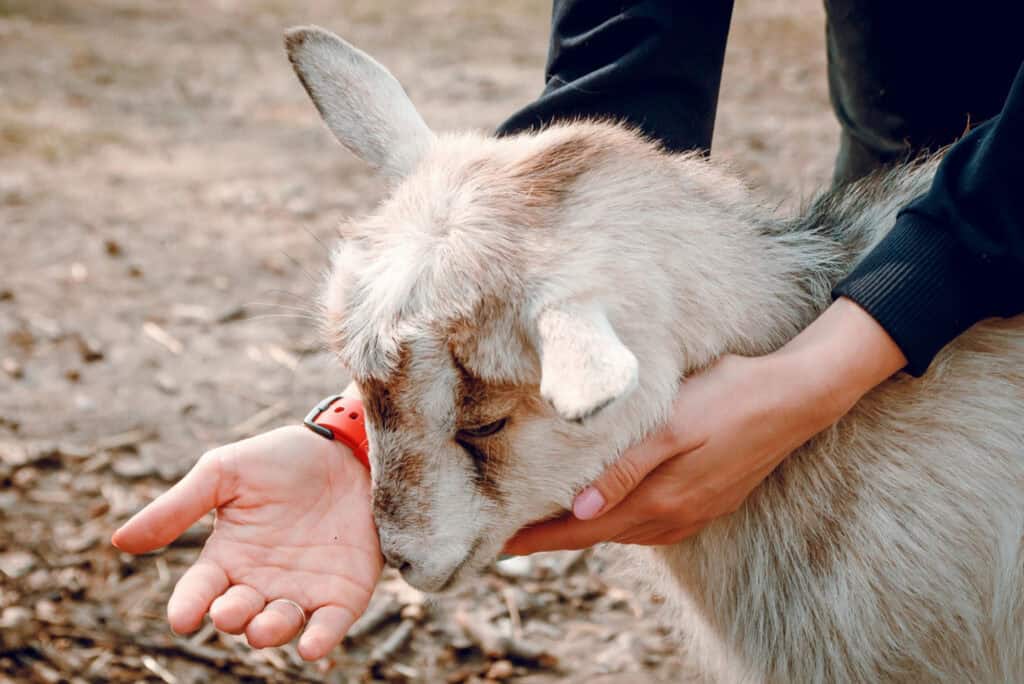
3. Be Hands on With Your Goats
Regularly touch or pet your goats so you can feel any changes as they come up. Do a more thorough inspection on the milk stand. Part the fur and check for flakes or anything that is moving.
4. Watch for Seasonal Triggers
Each season brings its own challenges and being aware of the clues can really help you to stay on top of issues.
- Winter: Dry air can lead to dandruff and itching. Use ventilation and keep bedding fresh.
- Spring: Shedding season means more loose hair and the chance for parasites to spread.
- Summer: Heat and humidity can trigger fungal infections — keep pens clean and shaded.
- Fall: Great time to deep-clean shelters and reset your prevention routine before winter.
5. Quarantine New or Returning Goats
Anytime you bring in a new goat, or one that’s been away for breeding or showing, keep it separate from the herd for at least 2-3 weeks. This gives you time to watch for any signs of lice, mites, or other skin problems before they can spread to the rest of the herd.
6. Don’t Forget the Power of Observation
You know your goats best and watching for clues is beneficial to you and your entire herd. When you do daily chores, take a few minutes to watch how they act, eat, and move. Subtle changes, like extra scratching or a dull coat, often show up before a full-blown problem develops.
Prevention is really just another form of connection. When you take time to notice those small details, you’re not only keeping your herd healthy, you’re strengthening the bond you have with them, one glance and gentle brushstroke at a time.
Caring for goats means always learning, and skin issues are just another part of that journey. Once you know what healthy skin looks like and what early warning signs to watch for, you’ll feel much more confident catching problems before they spread.
Whether it’s dry skin from winter air, a touch of ringworm, or a stubborn lice outbreak, most goat skin issues can be handled with calm, consistent care. The more time you spend with your herd, the easier it gets to spot those little changes that signal something’s off.
I’ve learned that homesteading, especially in midlife, isn’t about knowing everything right away. It’s about showing up for your animals, and trusting yourself to figure things out one step at a time.
