
How to Use chicken manure fertilizer
Are you wondering how to use chicken manure fertilizer to enhance your garden or yard? You’re in the right place! Chicken manure is one of the best organic fertilizers out there and, when used correctly, it can transform your garden.
Whether you’re a seasoned gardener or just starting out with raising chickens, we’ll show you exactly how to turn chicken manure into a powerful, eco-friendly fertilizer that keeps your plants thriving.
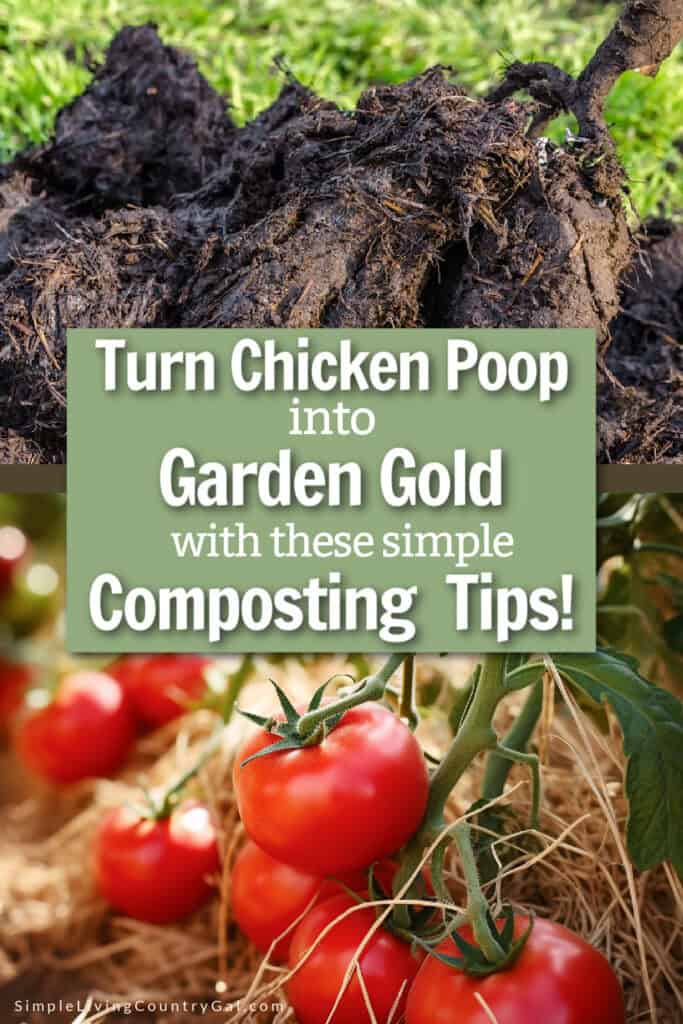
Back when I first started raising chickens, I couldn’t wait to gather fresh eggs from the coop each morning. There was something rewarding about collecting those eggs; it made me feel like I was truly contributing to our home. But as anyone with chickens knows, they don’t just produce eggs—they produce plenty of manure, too.
At first, I wasn’t sure what to do with all that waste. But as I settled into the rhythm of homesteading, I realized the beauty of finding ways to reuse and recycle around the property. That’s when it hit me: why not turn this manure into something useful? I set up a compost area right near the coop, where I could mix the chicken manure with other materials, turning coop waste into black gold for our garden.
Why Chicken Manure is a Garden’s Best Friend
Chicken manure is like hitting the fertilizer jackpot. It’s rich in nutrients like nitrogen, phosphorus, and potassium that plants need to thrive. These nutrients help flowers bloom, vegetables flourish, and lawns stay lush and green.
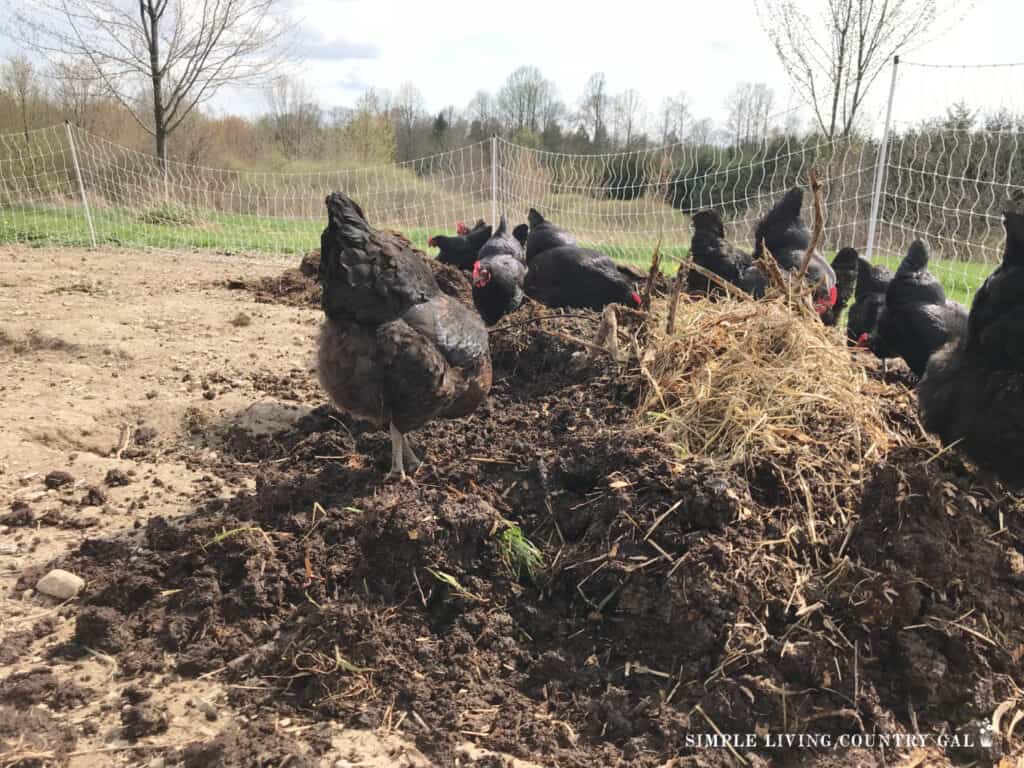
What makes chicken manure stand out, though, is that it offers more nitrogen than most animal manures. Nitrogen is like plant rocket fuel, encouraging vigorous growth. Unlike some other “hot” manures, chicken manure won’t burn plants or over-fertilize when it’s been composted properly. Think of it as organic gardening gold that’s both natural and biodegradable.
The Benefits (Beyond Just Fertilizer)
Using chicken manure in your garden doesn’t just help your plants grow; it helps your soil too. The organic matter improves soil texture, enhances water retention, and encourages healthy microorganisms in the soil. Plus, it cuts down on the waste your chickens produce. Instead of letting that waste pile up, you’re creating a fertilizer that’s as good for the planet as it is for your garden.
And the financial benefit? Swapping out store-bought fertilizers for chicken manure will save you a pretty penny over time. If you already have backyard chickens, you basically have an unlimited supply. If not, many local farms are happy to share their surplus.
How to Use Chicken Manure Fertilizer
Before you start scooping piles of manure into your garden, there are a few important things to keep in mind. Taking the time to prepare and use it properly can make all the difference in how your plants respond.
Step 1: Composting is Key
Raw chicken manure isn’t ready to use straight out of the coop. It’s too “fresh” and can harm plants because of its high nitrogen content and the potential presence of pathogens like E. coli or Salmonella. The solution? Compost it!
Composting uses heat and time to break down organic materials into a safe, nutrient-rich substance. Allowing the manure to compost for 6–9 months gives it time to age, mellow out, and become plant-friendly. It also removes harmful bacteria that could pose a risk to humans and pets.
SLCG Pro Tip: Speed up composting by turning your pile regularly or using a compost barrel. This can have your materials ready to use in as little as 3-6 months.
Miracle-Gro Large Dual Chamber Compost Tumbler – Easy-Turn, Fast-Working System – All-Season, Heavy-Duty, High Volume Composter with 2 Sliding Doors – (2 – 27.7gallon /105 Liter) VIVOSUN Outdoor Tumbling Composter Dual Rotating Batch Compost Bin, 43 Gallon Black DoorF2C Compost Tumbler Bin 43 Gallon Dual Chamber Compost Bin – Includes Gardening Gloves,BPA Free, Heavy-Duty Steel Frame, Rotating Tumbler with Sliding Doors | (Black)


Step 2: Balancing the Pile
You’ll want to mix chicken manure with plenty of “browns” like straw, dead leaves, or wood chips to balance out its nitrogen. A good rule of thumb is two parts brown to one part green (the manure). Don’t forget to aerate the pile by turning it every few weeks to help it break down properly.
Step 3: Testing Your Soil
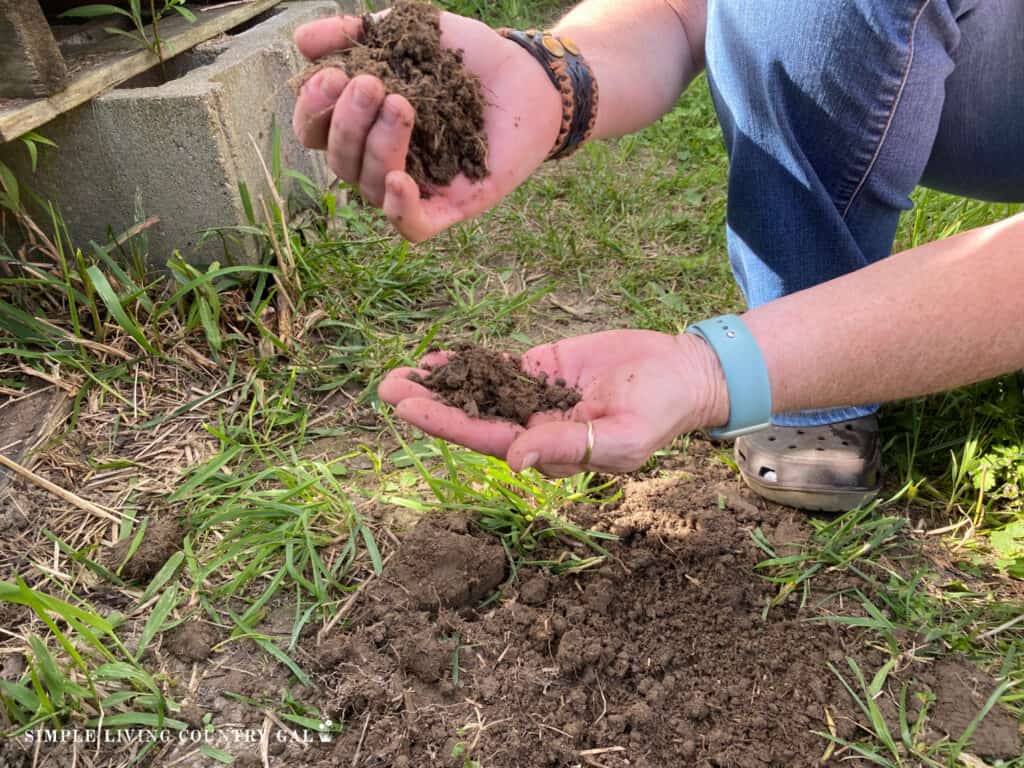
When your compost is ready, use it sparingly. It’s a good idea to test your soil first to make sure the pH levels and nutrients are just right for your garden. Most plants do best with a pH between 6 and 6.5. If the soil’s too acidic or alkaline, the nutrients won’t work as well.
You can grab a DIY soil test kit from your local garden center or purchase one online to figure out exactly what your plants need. Be sure to keep records in your garden planner so you can continue to improve your soil year over year.
Suplong 3-in-1 Soil Moisture Meter, Upgraded Stainless Steel Probe Soil pH/Light/Moisture Meter for Plants, Soil Tester for Garden, Farm, Lawn, Indoor & Outdoor (No Battery Needed)(Green)Rapitest Soil Test Kit for Gardens, Vegetables, Flowers and Lawns. USA designed and assembled soil tester completely, quickly and accurately measures/analyzes soil pH acidity and garden nutrients.NewTest Soil pH Test Kit: Upgraded 125 Soil pH Test Strips with Measuring Cylinders for Accurate Testing pH Level of Garden Lawn Grass Flower Vegetable Compost Dirt



Step 4: Spreading the Fertilizer
When using composted chicken manure, spread it evenly over your garden beds and gently mix it into the soil with a rake or hoe. If you’re fertilizing a lawn, make sure to scatter it thinly so you don’t end up with clumps that might harm the grass.
And don’t forget to wear gloves while handling it. Even when fully composted, it’s always a good idea to stay on the safe side and protect yourself from any leftover pathogens.
How to Add Compost to a Vegetable Garden
Use this timeline and checklist for adding chicken manure compost to your backyard garden. Follow along step-by-step for the best results.
6 Months Before Planting
- Start composting chicken manure by mixing it with plenty of dry materials like straw or wood chips. Aim for a ratio of 2 parts brown to 1 part green.
- Turn the pile regularly every 1-2 weeks to keep it aerated and promote even decomposition.
2-3 Months Before Planting
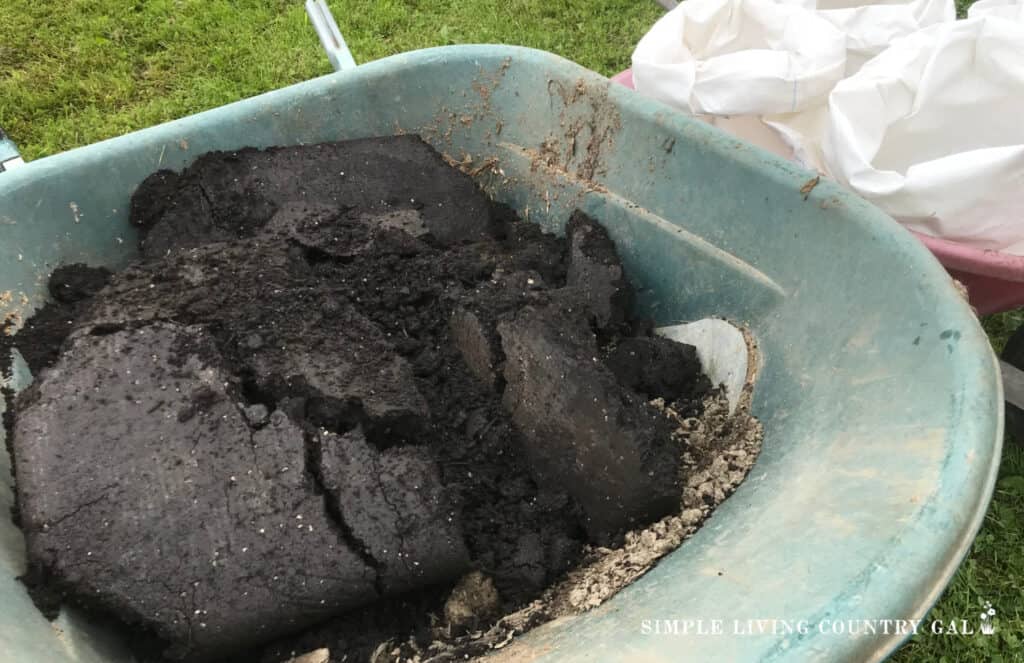
- Check if your compost is ready. It should look dark and crumbly, with no strong odor. If it still smells, give it more time to cure.
- Test your soil. Use a DIY soil test kit to see if your garden needs any additional nutrients or adjustments to its pH levels.
2 Weeks Before Planting
- Spread the compost. Evenly layer 1-2 inches of your finished chicken manure compost over the garden beds.
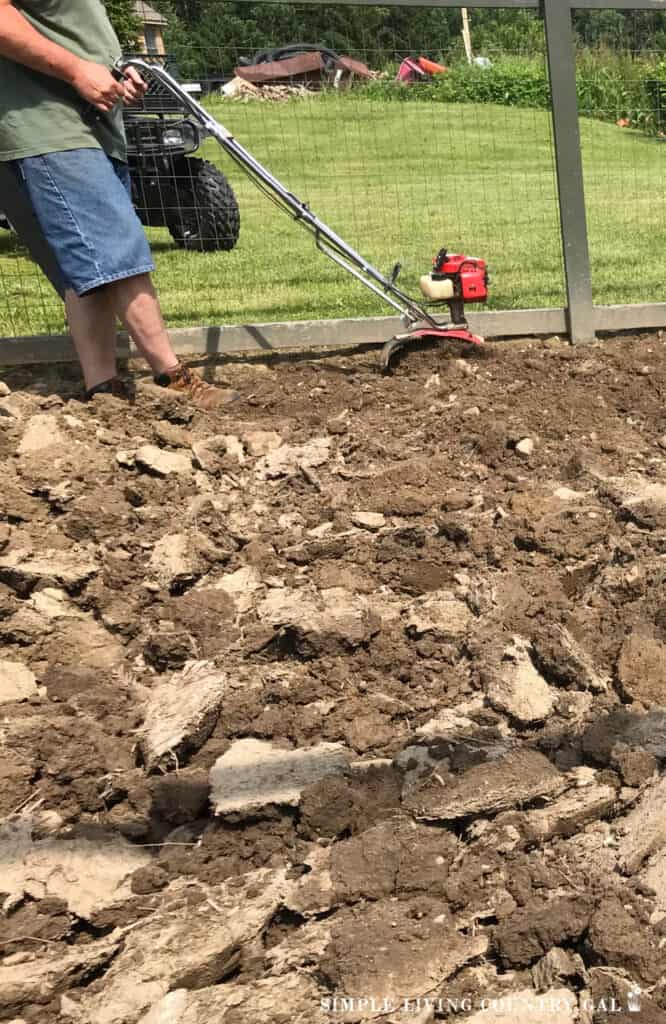
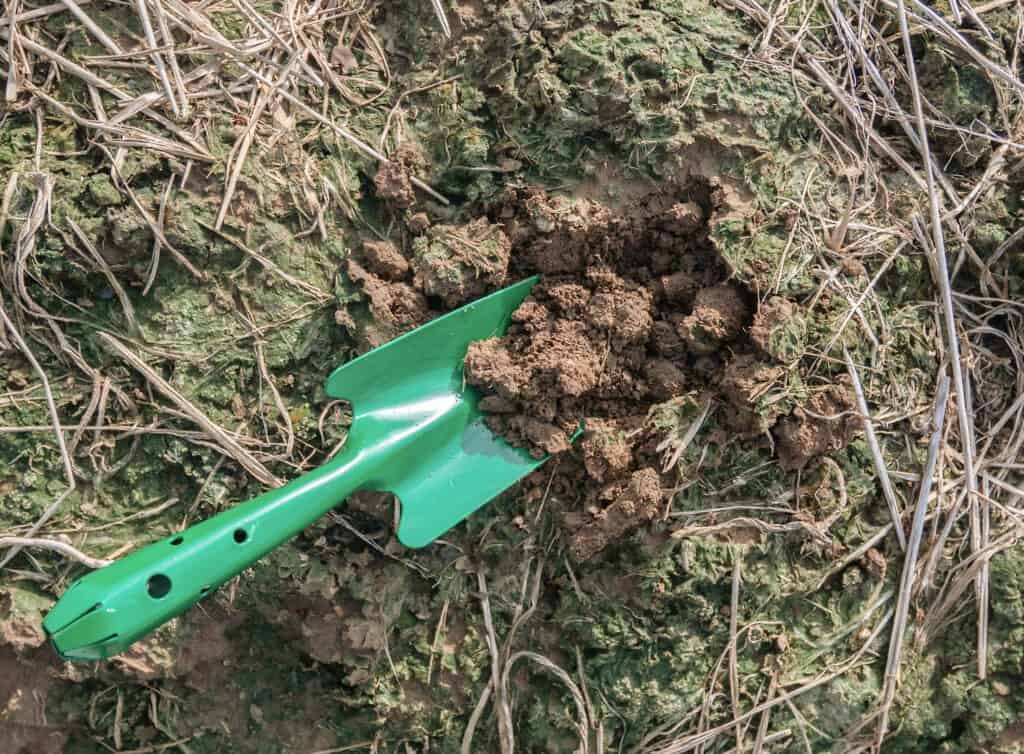
- Work it into the soil. Use a rake or hoe to gently mix the compost into the top 6 inches of your garden soil.
Planting Day
- Get planting. Sow your seeds or transplant your seedlings into the prepared soil. They’ll thrive with the nutrient boost from your compost.
- Double-check your soil. Make sure it’s loose, nutrient-rich, and ready to give your plants the best start.
FAQ
1. How do you spread chicken manure on a lawn?
Make sure the manure is fully composted before using it. Spread a thin, even layer across your lawn using a rake. Water it lightly to help the nutrients soak into the soil and avoid leaving clumps that can harm the grass.
2. What plants benefit from chicken manure?
Most plants love chicken manure. It’s especially great for vegetables, fruit trees, and flowering plants because it provides a rich boost of nitrogen, phosphorus, and potassium. Just be sure to compost it first to avoid overwhelming your plants.
3. Can I use raw chicken manure in my garden?
No, raw chicken manure is too strong and could harm your plants or introduce harmful bacteria. Compost it for at least 6-9 months to make it safe and garden-friendly.
I love that there are countless benefits of backyard chickens, from providing fresh eggs daily to creating one of nature’s most effective fertilizers. The key is making the most of the resources available right on your homestead.
Learning how to use chicken manure fertilizer can transform your garden soil, ensuring it’s rich and ready for planting season after season. With the right composting techniques and a clear plan for application, you can turn waste into a valuable resource that nourishes your garden and keeps it thriving year-round.


Great Articles. Thanks for sharing !!!