
The Cost of Raising Chickens
Thinking about adding a backyard coop? It’s smart to know The Cost of Raising Chickens before jumping in. Understanding the expenses can help you figure out if Raising Chickens is the right fit for your lifestyle.
From caring for chicks to enjoying fresh, home-laid eggs that put store-bought ones to shame, this guide will walk you through everything you need to know.

When we first started raising chickens, my husband used to joke with our friends, “This is my new and expensive hobby!” And honestly, he wasn’t entirely joking. Adding livestock to your homestead is a big step, but it’s also a way to take control over where your food comes from.
That’s why it’s important to start by asking yourself why you want to raise animals in the first place. Are you hoping to save money, or are you focused on eating better?
If it’s about saving money, chickens might not be the answer because there are definitely costs involved, especially when you’re just starting out. But if your main goal is to have more control over your food and enjoy fresh, homegrown eggs, then backyard chickens could be just what you’re looking for.
While raising chickens comes with plenty of perks, saving money isn’t really one of them. But just how much does it cost to raise chickens? Let’s dig into this topic and give you a clearer answer.
The Cost of Raising Chickens
Raising a backyard flock is a rewarding adventure that comes with fresh eggs, happy hens, and the satisfaction of being a little more self-sufficient. But before you jump in, it’s essential to understand the costs involved. Spoiler alert: raising chickens isn’t necessarily the cheapest hobby, but with a little know-how, you can make it work for your wallet.
Let’s break down the costs, step by step, and share some budget-friendly tips along the way.
Getting Started with Baby Chicks
When you start raising chickens, your first expense will likely be the chicks themselves. Baby chicks usually cost between $3 to $5 each, depending on the breed. Fancy or rare breeds may cost more, but most backyard keepers can stick to the affordable ones.
You’ll also need chick-specific supplies to get started. A brooder box is essential for keeping your chicks warm during their first few weeks. While you can buy a ready-made brooder, many people use a simple plastic tub or repurpose a sturdy cardboard box. Add in a heat lamp (around $20 to $30), feeders, waterers (about $10 to $15 each), and chick bedding.
Cost-saving tip: Instead of buying a brooder box, consider making your own using materials you already have at home, like a large storage tub or a cardboard box. Be sure it has a screened lid to keep your chickens inside and safe. You can repurpose an old window screen or a piece of chicken wire fencing.
Kculehtlla Chick Feeder and Waterer Kit – Baby Chicken Supplies with Chicks Perch, Plastic Feeder Trough and 1.2L Waterer, Chicken Starter Kit for Coop and Brooder for Small Poultry Ducks Quail Brooder Box for Chicks Pop-Up Baby Chicken Cage Perch Up to 17 Baby Chicks, Ducks and Quails Chick Starter Kit with Storage Bag, Top Cover, Fixed Pegs, Waterproof MatSindarhor Heating Brooder Plate for Chicks Ducklings, Adjustable Brooder House for Keeping Poultry Warm(Yellow)


The Cost of Feed
Feed is one of the biggest ongoing expenses when raising chickens. Baby chicks need starter feed, which typically costs $15 to $20 for a 50-pound bag. Once they grow, you’ll switch to layer feed for adult hens. The are costs about the same and can be purchased locally or online.
How much you’ll go through depends on the size of your flock. On average, a flock of six hens will eat about 1.5 pounds of feed per day.
Chickens love vegetable peelings and cuttings, which can help with some of the feed costs. Another tip is to give them access to fresh ground where they can scratch for bugs and worms. Just be sure to keep them protected from predators or young children.
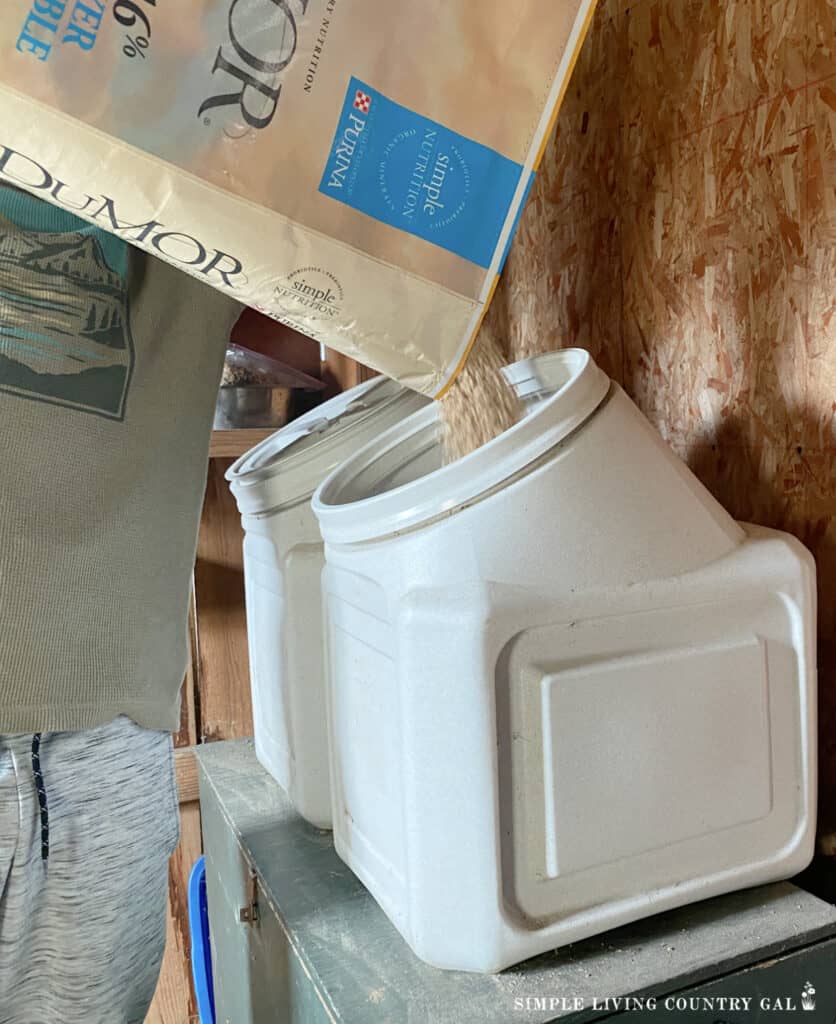
Cost-saving tip: Buy feed in bulk to save money, and store it in a rodent-proof bin to keep it fresh. You can also allow your chickens to free-range in your yard, which cuts down on feed costs while providing them with natural foraging options.
Setting Up the Coop
A sturdy, well-designed coop is a must when raising chickens, but it can also be one of the most significant costs. A ready-made coop can range from $300 to more than $1,000, depending on the size and quality. You’ll also need to factor in bedding (like pine shavings or straw, costing around $10 per bale) and any fencing if you want to give your chickens an outdoor run.
If you’re handy, building your own coop can be a fantastic way to save money. Many people use reclaimed wood, pallets, or materials they already have lying around. Just make sure the coop is predator-proof and provides sufficient ventilation and space for your flock.
Cost-saving tip: If you have a shed or other outbuilding that is not being used to its potential, you can turn it into a coop for your chickens. You will still need to invest in supplies such as a coop door and nesting boxes, but the overall cost savings will be significant.

Other Supplies You’ll Need
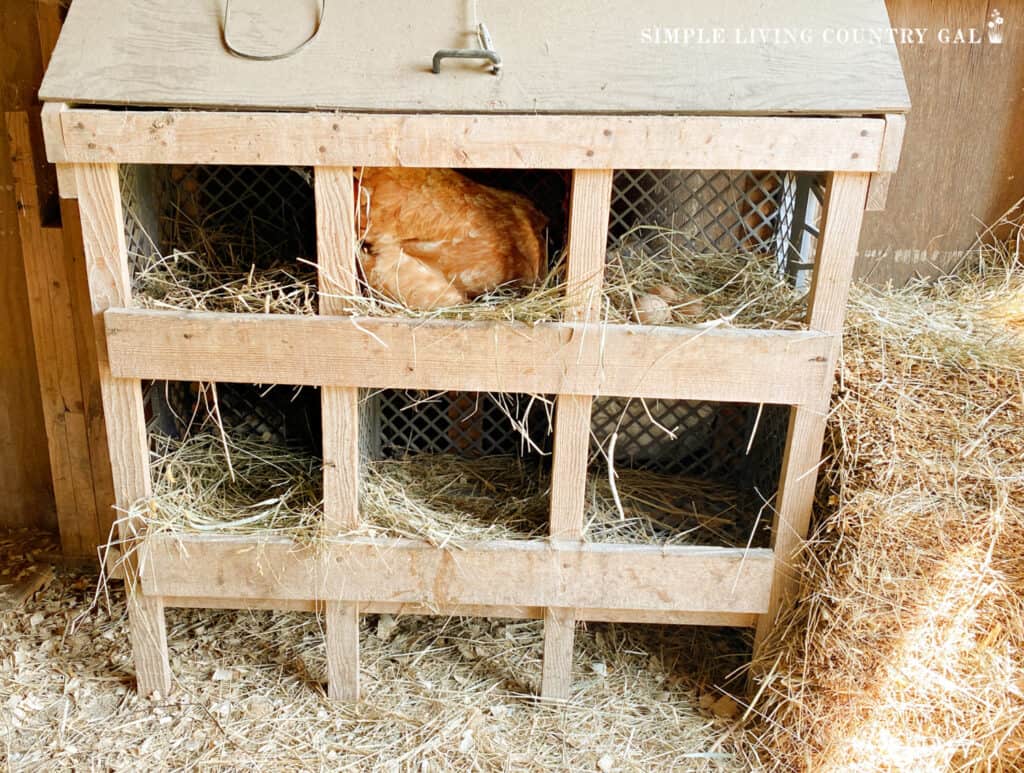
Beyond feed and housing, there are a few other supplies necessary for keeping your chickens healthy and happy. Nesting boxes, which provide a separate and safe space for hens to lay eggs, are key. You’ll also want to invest in grit and oyster shells (both are inexpensive at around $5 a bag), which help aid digestion and provide calcium for stronger eggshells.
A handy extra to keep around is a basic poultry first aid kit. Stock it with essentials like wound spray or antiseptic for cuts, electrolytes to help when your chickens are feeling under the weather, and worming supplies to handle parasites.
Cost-saving tip: Get creative with nesting boxes and make your own. You can turn plastic milk crates, buckets, or wash tubs into a perfect nesting box for your hens. Just make sure they’re sturdy, clean, and safe for the chickens to use long term.
Routine Costs After Hens Start Laying
Once your hens are fully grown, you’ll hit a rhythm of regular expenses. For six hens, expect to spend about $15 to $20 per month on feed. This number can be lowered if you supplement with food scraps and give access to free-range areas.
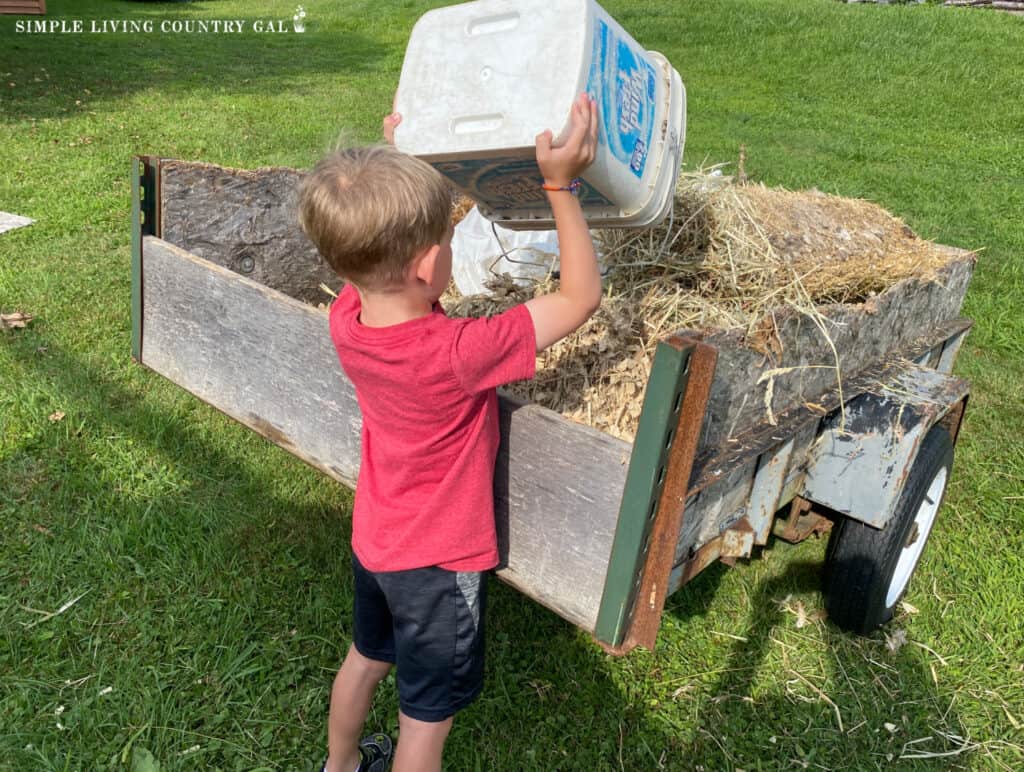
You’ll also need to restock bedding for the coop regularly. This usually costs around $10 to $15 a month, depending on how often you clean the coop and what bedding you use.
One often-overlooked expense is cleaning supplies for the coop. Some people use dedicated coop cleaners, but a simple vinegar-and-water solution works just as well in most cases and is much cheaper. You’ll also need cleaning tools such as a coop shovel or sand rake.
It’s also smart to put aside a small emergency fund for your flock, just in case you encounter unexpected vet bills or need to replace equipment.
Cost-saving tip: Compost your old bedding and chicken waste to create your own fertilizer for gardens or flower beds. Not only does this reduce waste, but it also saves you money if you’re already buying soil or plant food. Plus, manure fertilizer is amazing to have for a healthy and robust garden.
Raising chickens comes with its fair share of costs, especially in the beginning. Between the chicks, the feed, the coop, and regular maintenance, the costs can add up faster than you expect. That said, for many people, the experience of collecting fresh eggs and knowing exactly where their food comes from is priceless.
The good news is, there are ways to save. By repurposing materials, buying in bulk, and finding ways to DIY parts (or all) of your setup, you can keep your expenses lower without sacrificing the safety of your flock.
Whatever your reason is for adding a coop to your backyard, knowing what to expect can help make your experience a positive one from the start.
