
How to Set Up a Sick Chicken Kit
Knowing what to have and how to set up a sick chicken kit will help you, as an owner, be prepared for whatever curveball your coop throws your way. Animals depend on our care, and being ready with a remedy can be the difference between a small issue with just one hen to a full-blown coop breakout.
Raising chickens is fun and rewarding especially when you are prepared for both the good times and the bad.
When I first started raising our own flock of backyard chickens, I thought the biggest challenge would be keeping our dog out of the coop or remembering to collect eggs before they froze in the winter. What I didn’t realize was how quickly a chicken can go from looking perfectly fine to needing immediate attention.
The first time I had a sick hen, I scrambled around the house looking for anything that might help, an old towel, a medicine dropper, even a heating pad from my own closet. Let’s just say it was more chaotic than calm.
Luckily that first hen survived and went on to live a long healthy life, but that chaotic event let me know that I need to be ready for what might happen so I can calmly step in if needed.
If you’re not sure what to have in your kit, this guide will get you started. From the basic household items you probably already have to the specialized supplies worth purchasing. We’ll cover what to use for light issues, how to handle more moderate problems, and when it’s time to stop playing homestead nurse and call in a vet.
Because here’s the truth: part of being a confident chicken keeper is being prepared. And once you’ve got your kit set up, you’ll feel so much better knowing you can step in quickly and give your flock the care they need.
How to Know if There’s an Issue with Your Chicken
One of the trickiest parts of keeping chickens is that they’re so good at hiding weakness. Even in a coop, a sick bird can bring unwanted attention leading to hen pecking that will only make matters much worse. That means by the time you notice something is off, your hen may already be struggling more than you realize.
So how do you spot trouble early on? Start by paying attention to what’s “normal” for your flock. Chickens are creatures of habit, once you know their routine and how they act, it’s much easier to catch when something seems off.
Here are a few common red flags:
- Changes in behavior – A normally chatty hen that suddenly gets quiet, or an energetic one who’s hanging back from the group, may be telling you something.
- Eating and drinking less – If your chicken isn’t interested in treats (especially mealworms!) or isn’t drinking much water, that’s worth watching.
- Physical signs – Droopy wings, pale combs, runny noses, labored breathing, or messy bottoms can all point to health problems.
- Egg production changes – A sudden drop in eggs, or oddly shaped shells, can sometimes be the first clue that something’s not right.
- Isolation – Chickens don’t usually separate themselves unless they’re not feeling well. If one bird is hanging out alone, take note.
The goal isn’t to turn you into a chicken hypochondriac (though trust me, I’ve been there, hovering over a hen like she was made of glass). Instead, it’s about noticing subtle changes and symptoms before they become big problems.
Light Issues: Everyday Ailments and Simple Fixes
Not every chicken health scare is a major emergency. In fact, most of the time you’ll be dealing with smaller issues that just need a little TLC. These are the kinds of problems where your sick chicken kit really shines, you’ll have what you need on hand to give comfort, prevent bigger complications, and keep your hen on the road to recovery.
Here are some common light issues and the supplies I recommend keeping ready:
1. Minor Cuts and Scrapes
Chickens are curious creatures, and sometimes curiosity comes with a little blood. Small cuts can usually be handled at home.
- Saline solution or clean water – For gently rinsing wounds.
- Antiseptic spray or ointment (chicken-safe) – To prevent infection.
- Cotton pads or gauze – For dabbing and cleaning.
2. Soft Poop or Mild Digestive Upset
Changes in diet, heat stress, or just a sensitive stomach can cause troubles.
- Electrolytes and probiotics – To rehydrate and restore gut health.
- Plain, unsweetened yogurt – Gives a little boost for the digestive system.
3. Minor Stress or Heat Exhaustion
If your hens look droopy on hot days, they may just need a bit of support.
- Electrolyte powder – Add to drinking water during hot spells.
- Small clean towels – For wrapping or calming a bird if you need to handle her.
4. Feather Loss or Pecking
Sometimes flock dynamics cause a little drama. If a hen is missing feathers but otherwise seems healthy, you can often manage it at home.
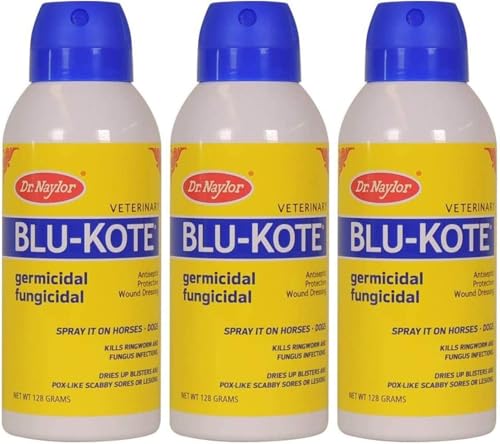
- Blu-Kote or wound spray – Covers bald spots and discourages picking.
- Extra protein treats – Mealworms or scrambled eggs can help boost feather regrowth.
Moderate Issues: When Your Chicken Needs Extra Care
Sometimes a chicken’s problem isn’t just a quick fix with a dab of ointment or some electrolytes. These are the situations where you may need to step in with a little more time, patience, and the right supplies.
1. Respiratory Issues
Sneezing, wheezing, or bubbly eyes are common signs that something’s going on in your chicken’s respiratory system. While these can sometimes pass, they often need close monitoring.
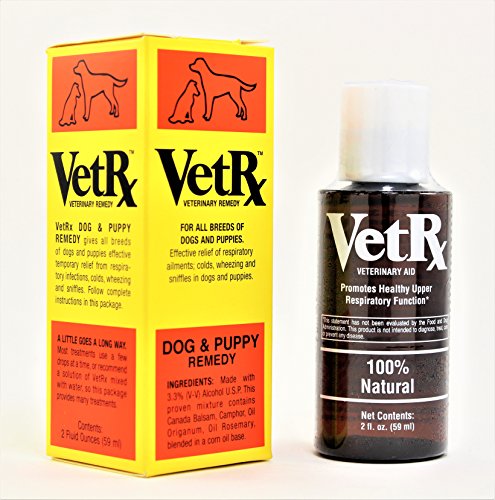
- VetRx or similar poultry respiratory support – Helps relieve mild symptoms.
- Saline eye drops – To rinse irritated or crusty eyes.
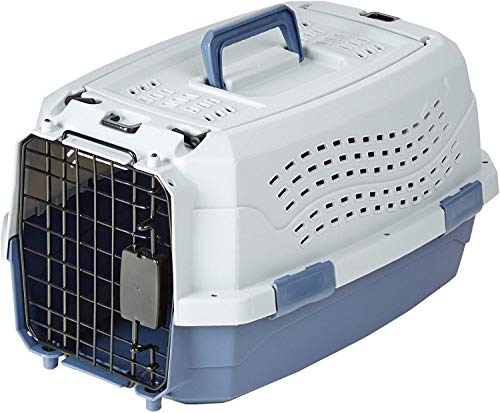
- A small isolation crate or pet carrier – Keeps a sick hen away from the flock while she recovers.
Amazon Basics 2-Door Top-Load Hard-Sided Cat Pet Travel Carrier, 19.0 Sweetcrispy 24-Inch Single-Door Dog Crate–Durable Metal Pet Kennel with Secure Lock, Foldable Design, Removable Tray for Easy Cleaning, Portable Puppy Cage for Small Dogs, Ideal for Training & TravelAmazon Basics 2-Door Portable Soft-Sided Folding Soft Dog Travel Crate Kennel, Medium (M 30


2. Lice and Mites
These pests can make your chickens miserable, leading to feather loss, pale combs, and anemia if not treated quickly.
- Poultry dust or spray – For treating birds (always follow chicken-safe directions).
- Disposable gloves and dust mask – Protect yourself during treatment.
- Diatomaceous earth (food grade) – Sprinkle in dust bathing areas as a preventative.
3. Egg Binding
When a hen can’t pass an egg, it is known as being egg bound. This issue is not only uncomfortable, it’s potentially dangerous. This is one issue where being prepared can truly save your bird.
- Lubricant (like coconut oil) – To gently help with egg passage.
- Calcium supplement – Sometimes a boost can help muscles contract and release the egg.
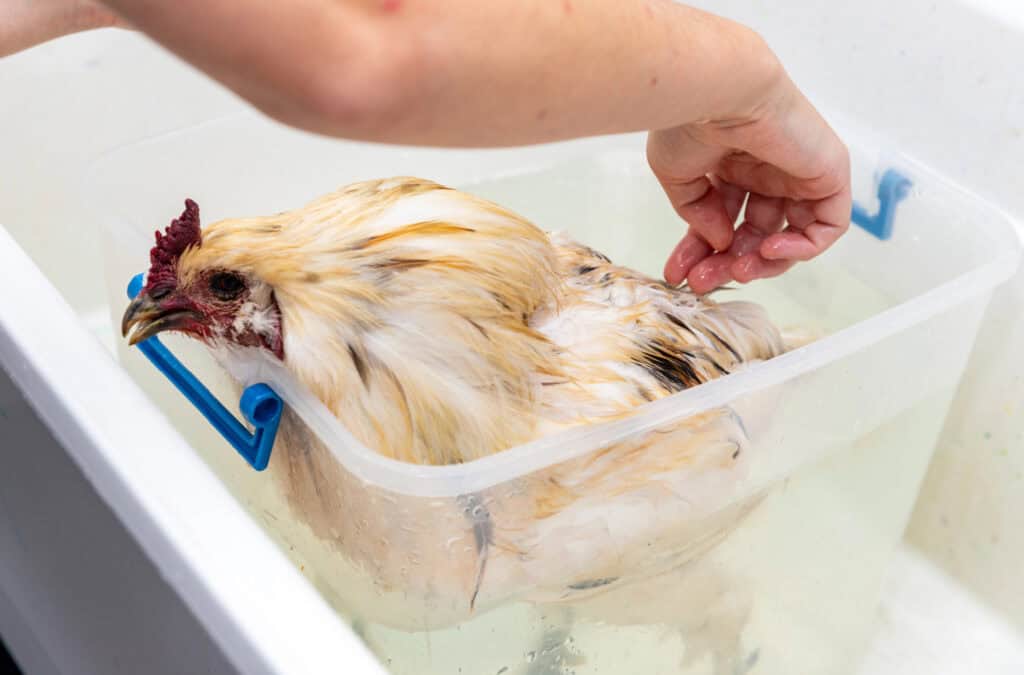
- Warm bath option – A small tub or sink where you can soak your hen in warm water to relax her muscles.
4. Foot or Leg Problems
Bumblefoot (a bacterial infection of the foot) or simple sprains happen more often than you might think.
- Epsom salts – For soothing foot soaks.
- Vet wrap or cohesive bandage – To keep wounds clean and protected.
- Scissors and tweezers – For careful trimming or cleaning around a wound.
These moderate issues often require more hands-on care, and sometimes repeat treatments. This is why having your supplies ready is such a game changer, you won’t lose precious time running to the store when your hen needs help now.
When to Call a Vet
As homesteaders, we pride ourselves on being resourceful and handling most problems ourselves. And truthfully, with the right sick chicken kit, you can take care of many small to moderate issues right at home. But sometimes, the best thing you can do for your bird is to call in professional help.
Here are a few situations when it’s time to pick up the phone:
- Severe respiratory distress – If your chicken is gasping, coughing, or struggling to breathe, don’t wait.
- Persistent lethargy – A hen that stays fluffed up, motionless, or refuses food and water for more than a day.
- Significant wounds – Deep cuts, heavy bleeding, or injuries from predators.
- Repeated egg binding – One case may be manageable at home, but repeated problems need a vet’s guidance.
- Rapid weight loss or swelling – Noticeable loss of body condition, bloated abdomen, or strange lumps.
- When your gut says something’s very wrong – You know your birds best. If something feels beyond what you can handle, trust yourself.
Not all vets specialize in poultry, so it’s a good idea to research and locate a chicken-friendly vet before you actually need one. Keep their phone number in your kit, along with any local farm supply contacts, so you don’t lose time in a crisis.
Here’s the way I see it: being prepared at home and knowing when to call a vet aren’t opposites, they work together. Your kit gives you confidence, and your vet gives you backup. Together, you’re giving your flock the very best chance at staying healthy and strong.
Basic Household Supplies for Your Sick Chicken Kit
The good news is you probably already have quite a few things around your home that can double as chicken care tools. No need to buy everything new, sometimes the best solutions are the simplest.
Here are a few basics worth adding:
- Old towels or rags – Perfect for wrapping a chicken to keep her calm during care.
- Small scissors and tweezers – For trimming feathers, removing debris, or cleaning wounds.
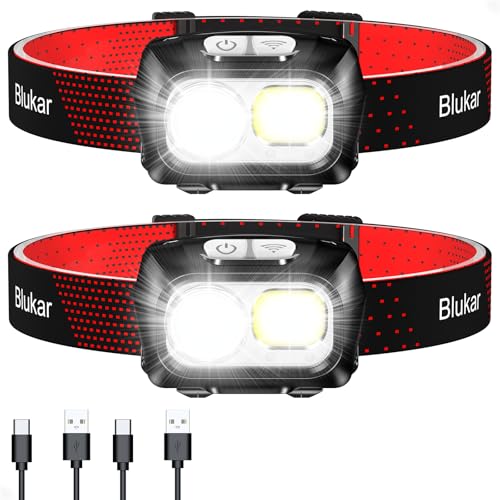
- Flashlight or headlamp – Helps you see what’s really going on, especially in the coop at night.
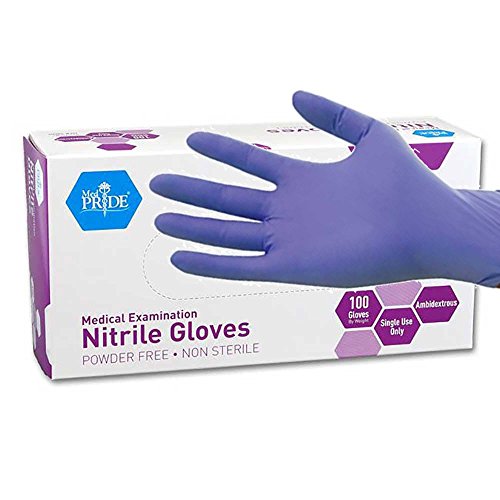
- Gloves – Protect your hands during treatments (plus, let’s be honest, chicken care can get messy).
- Heating pad or hot water bottle – For keeping a weak or chilled bird warm.
- Small containers or bowls – To hold soaking water, Epsom salt baths, or electrolyte mixes.
These everyday items cost nothing extra but will make your life much easier when you’re dealing with a sick hen.
Sunbeam Standard Size Heating Pad, 12MedPride Powder-Free Nitrile Exam Gloves, Iris Blue, Medium, Box/100Blukar LED Headlamp Rechargeable,2000L Super Bright Headlight with Motion Sensor -Dimmable Brightness,8 Modes,Spotlight&Floodlight&Red Light Combination,IPX5 Waterproof for Hiking,Camping – 2 Pack

Purchased Supplies Worth Investing In
Now, there are a few specialized items that are worth having on hand because they’re made specifically for poultry health. They’re not expensive, but they can make a world of difference when your flock needs extra care.
Here’s my short list:
- Electrolyte & probiotic packets – A lifesaver for heat stress, travel, or digestive upset.
- VetRx or similar poultry respiratory aid – Handy for sniffles and minor respiratory support.
- Blu-Kote or poultry wound spray – Both heals and discourages pecking from flockmates.
- Poultry dust or mite spray – To quickly handle lice or mite infestations.
- Cohesive bandage (Vet Wrap) – Great for foot injuries, sprains, or securing dressings.
- Calcium supplements – Essential for cases of egg binding or weak shells.
- A dedicated crate or pet carrier – For isolating sick hens or transporting them to the vet.
Think of these as your “peace of mind” purchases. They don’t take up much space, and having them ready means you won’t be scrambling during an emergency.
VetRx Veterinary Remedy for Dogs and Puppies (2 fl oz)Vetericyn Plus Poultry Care Spray | Healing Aid and Skin Repair for Chicken Wounds, Pecking Injuries, Bumblefoot, Vent Prolapses, and More. 8 ouncesDr. Naylor Blu-Kote Aerosol (128 Gram) – Fast Drying Antiseptic Wound Dressing Pack of 3

Confidence in Caring for Your Flock
Here’s the truth about keeping chickens: no matter how carefully we plan, unexpected health issues will pop up. But instead of panic, you can face those moments with calm and confidence when you’ve got your sick chicken kit ready to go.
I still remember the first time I dealt with a sick hen, I felt overwhelmed, unprepared, and guilty that I didn’t know what to do. Over the years, I’ve learned that being prepared not only keeps me calm, but also my patient.
Start simple. Pull together what you already have around the house, add a few specialized items, and keep everything in one easy-to-grab spot. That little bit of preparation means the next time a chicken looks “off,” you’ll know exactly where to turn.
Homesteading in midlife isn’t about doing it all perfectly, it’s about creating a rhythm that works for you, building confidence as you go, and knowing you can handle challenges when they come. Setting up your sick chicken kit is one small step in that direction.
If you’d like a little help pulling it all together, I’ve created a printable Sick Chicken Kit Checklist you can keep in your coop or binder. It’s free for my email community, and it’ll make building your kit so much easier.
Because here’s the thing: caring for your chickens doesn’t have to feel overwhelming. With a little preparation, you’ll not only be ready for emergencies, you’ll also be one step closer to being the confident, capable chicken keeper you’ve always wanted to be.
